



From Afterthought to Main Attraction
Remember when ‘pet-friendly’ just meant choosing a rug that hid stains or a sofa that could withstand a bit of scratching? That era is fading fast. Today, pet-friendly design is evolving into a sophisticated and intentional discipline. It’s less about
damage control and more about creating a holistic environment where both humans and animals can thrive. This shift is driven by a simple, powerful trend: pet humanisation. Across India, as more millennials and Gen Z individuals adopt pets, they see them not as animals they own, but as integral members of the family. And you design a home for your family. This means architects and designers are now being asked to consider the needs, behaviours, and well-being of pets from the very first blueprint, leading to innovative solutions that go far beyond a durable couch.
The Foundation: Floors and Fabrics
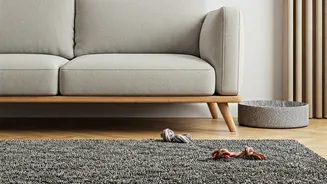
The bedrock of any pet-friendly home starts from the ground up. Flooring and fabrics bear the brunt of daily life with paws and claws, so material choice is critical. Forget plush, high-pile carpets that trap fur and odours. The new standard leans towards hard surfaces like high-quality laminate, luxury vinyl tile (LVT), or glazed ceramic tiles, which are scratch-resistant, waterproof, and incredibly easy to clean. For those who love the warmth of rugs, low-pile, washable options made from synthetic fibres are a game-changer. When it comes to furniture, ‘performance fabrics’ are the heroes of the category. Materials like Crypton or Sunbrella, once reserved for outdoor furniture, are now common indoors. They are engineered to resist stains, moisture, and microbes, meaning a muddy paw print or an accidental spill can be wiped away without a trace. Even leather can be a surprisingly good option, as high-quality, top-grain varieties are durable and can be easily wiped clean.
Designing for Instinct and Behaviour
Truly evolved pet-friendly design thinks about an animal’s psychology. It’s about creating a space that respects their natural instincts. For cat owners, this has led to the rise of ‘catification’—the integration of vertical spaces for climbing and perching. This doesn't mean a clunky cat tree in the corner. Instead, designers are building stylish, floating shelves that double as a feline highway, or creating window seats with a perfect view for bird-watching. For dogs, it’s about creating zones of comfort and security. This could be a built-in nook under a staircase that serves as a cosy den, a dedicated feeding station integrated into the kitchen cabinetry to keep bowls off the floor, or a mudroom with a built-in dog-washing station. By designing for these behaviours, you reduce stress for your pet and create a more harmonious home for everyone.
Furniture That Serves Everyone
The furniture industry has taken notice. Instead of just pet-proofing existing designs, companies are creating pieces specifically for cohabitation. Think side tables that discreetly house a pet bed, or ottomans with hidden storage for toys. The design language is also changing. Sharp corners are being replaced with rounded edges on coffee tables and consoles to prevent injuries during a sudden case of the ‘zoomies’. Modular sofas are gaining popularity because they are versatile and individual sections can be more easily cleaned or replaced if damaged. The focus is on multi-functionality and seamless integration, ensuring that pet furniture doesn’t scream ‘pet furniture’. It’s simply well-designed furniture that happens to cater to every member of the household, furry or not.
Easy Swaps for a Pet-Centric Home
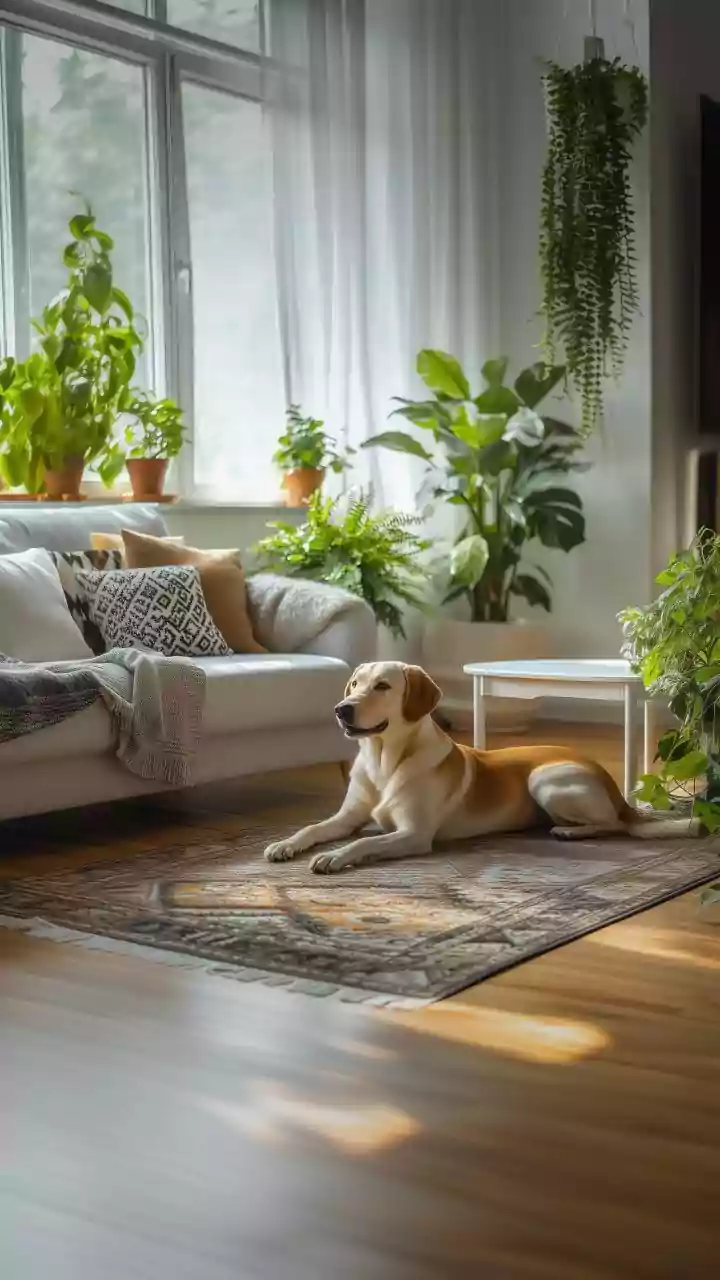
You don’t need a full-scale renovation to make your home more pet-friendly. Small, thoughtful changes can have a huge impact. Start by decluttering electrical cords and securing them safely away from curious chewers. When bringing plants indoors, do a quick search to ensure they are non-toxic to cats and dogs—many popular houseplants like lilies and monsteras can be harmful if ingested. Swap out open-top dustbins for models with secure lids. Invest in stylish, designated storage baskets for toys to keep your living space tidy. Even the placement of furniture matters; ensure there’s a clear, open path for your pet to move around freely, especially in smaller urban apartments. These simple adjustments contribute to a safer and more comfortable environment, proving that good design is often about thoughtful details.