




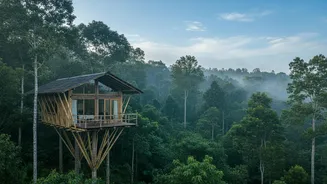
More Than a Room in the Trees
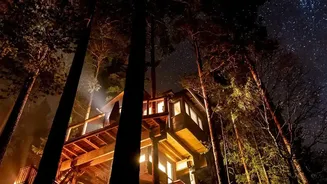
In the lush, hilly district of Wayanad in Kerala, a unique form of hospitality is taking root. Treehouses, long a symbol of childhood adventure, are being reimagined as beacons of sustainable tourism. These are not just rustic shacks perched on branches;
they are thoughtfully designed accommodations that offer travellers a chance to live within nature, not just observe it from a distance. The philosophy is simple: create a memorable escape that respects and integrates with the surrounding ecosystem. This approach is part of a broader responsible tourism movement in Wayanad, which aims to minimize the negative impacts of travel while benefiting local communities and preserving the environment.
The Genius of Bamboo Construction
At the heart of this sustainable model is bamboo. Often called the world's tallest grass, bamboo is a marvel of nature and an ideal building material for eco-conscious construction. Unlike hardwood trees that take decades to mature, bamboo is a rapidly renewable resource, with some species ready for harvest in just three to five years. Its rapid growth cycle means it can be cultivated without causing deforestation. Furthermore, bamboo has a negative carbon footprint; it absorbs significantly more carbon dioxide and produces about 35% more oxygen than an equivalent stand of trees. This makes it one of nature's most efficient tools in the fight against climate change.
Architecture That Breathes
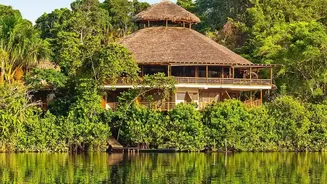
The treehouses of Wayanad are often built by local artisans who possess generations of knowledge in working with natural materials. The design philosophy is to camouflage the structures within the forest, using not just bamboo but also coir mats, hay straws, and locally sourced wood. This minimizes the visual and physical impact on the landscape. Many resorts are designed to be entirely plastic-free and operate with minimal interference with the habitat, ensuring they blend seamlessly into the environment. The structures are often built around existing trees, respecting their presence rather than clearing them, which allows for an authentic experience of living within the forest canopy.
A Holistic Eco-Conscious Experience
True sustainability extends far beyond the building materials. Eco-resorts in Wayanad embrace a holistic approach. Many generate their own power using solar panels and employ rainwater harvesting systems to conserve water. Waste is often managed through composting and biogas plants that can even help fuel the kitchens. The commitment to the local ecosystem is also reflected in the food. Many resorts maintain organic farms, serving guests fresh produce sourced from their own gardens or from farms within a few kilometres, which supports the local economy and reduces the carbon footprint associated with food transportation. This farm-to-table approach ensures that the visitor's experience is deeply connected to the land.
Wayanad: The Perfect Green Backdrop
Wayanad's natural geography makes it the perfect setting for these eco-friendly escapes. As a crucial part of the Nilgiri Biosphere Reserve, the region is known for its incredible biodiversity, including lush rainforests, spice plantations, and abundant wildlife. Initiatives like the Uravu Indigenous Science & Technology Study Centre have helped create a flourishing local economy based on bamboo, training artisans and fostering a community-wide appreciation for this versatile resource. By staying in a bamboo treehouse, travellers are not just choosing unique accommodation; they are participating in a larger story of community empowerment and environmental stewardship that defines Wayanad's approach to tourism.