



The 'Pet-Safe' Misconception
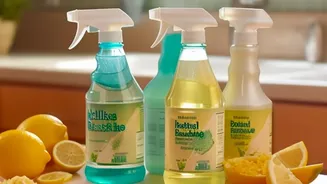
The term 'pet-safe' on a cleaning product label can be reassuring, but it is not a regulated term. This means its definition can vary dramatically from one brand to another. While some companies are transparent, others use the claim as marketing language.
A product might be 'pet-safe' in that its dried residue is considered non-toxic, but that doesn't mean it's safe for a pet to ingest while wet. Many cleaners, even those labeled natural, contain ingredients like certain essential oils, surfactants, or disinfectants that can cause gastrointestinal upset or irritation if licked directly from a wet floor. Pets' smaller body mass and grooming habits—like licking their paws after walking on a surface—make them uniquely vulnerable to these residues.
Why Wet Floors Are A Risk Zone
When a floor is wet with a cleaning solution, a curious pet is at risk of more than just leaving paw prints. The primary danger is ingestion. Licking a wet floor, or more commonly, grooming paws that have walked across it, introduces the cleaner directly into your pet's system. Even with non-toxic ingredients, this can lead to symptoms like drooling, vomiting, diarrhea, and loss of appetite. Certain ingredients, like quaternary ammonium compounds (often found in disinfectants) and phenols, can cause more severe reactions, including chemical burns in the mouth or respiratory distress, particularly in cats who lack the enzymes to process them safely. Furthermore, wet, slippery surfaces create a physical hazard, increasing the risk of falls and injuries for an energetic or older pet.
Defining 'Dry': More Than Meets the Eye
When is a floor truly safe for a pet to walk on? The answer is simple: when it is completely dry to the touch, with no tackiness or residual moisture. Drying time can vary significantly based on the product used, the type of flooring (porous vs. non-porous), the humidity in your home, and the amount of ventilation in the room. A floor might look dry but still hold enough moisture to transfer to your pet’s paws. A good rule of thumb is to follow the manufacturer’s instructions and then add extra time. Opening windows or using fans can help speed up the process and dissipate any lingering fumes that could irritate a pet's sensitive respiratory system. Remember, your pet’s nose is much closer to the floor, making them more susceptible to inhaling vapors.
Effective Access Control Strategies
The most reliable way to ensure your pet’s safety during and after cleaning is to physically prevent them from accessing the area. This doesn’t have to be complicated. Using baby gates to block doorways or hallways is an inexpensive and effective solution. For smaller areas, simply closing a door is enough. If you are cleaning a large, open-plan space, consider 'zone cleaning': confine your pet to a single safe room (like a bedroom or bathroom) with toys and water while you clean the rest of the house. Once the cleaned areas are fully dry, you can switch. For well-trained dogs, obedience commands like 'stay' can be helpful, but they shouldn't be relied upon without supervision. A physical barrier is always the safest bet.
Building a Safer Cleaning Routine
Ultimately, pet safety comes down to a combination of smart product choices and careful habits. Always read ingredient lists and avoid known toxins like phenols, ammonia, and certain quaternary ammonium compounds. Simple solutions made from diluted vinegar and water can be effective for some tasks. When you mop, consider a final rinse with plain water to remove any lingering residue, especially if you have cats. Store all cleaning products securely in a cabinet that pets cannot access. By integrating these simple access control measures into your cleaning routine, you create a system that protects your pet not just from obvious poisons, but from the hidden risks of everyday cleaning.