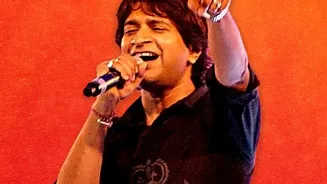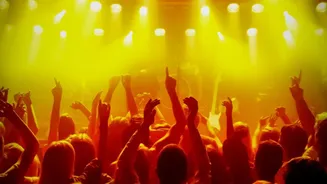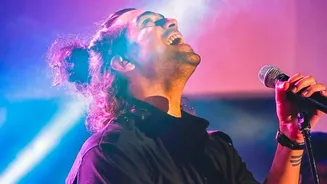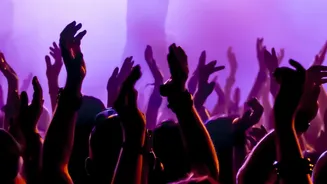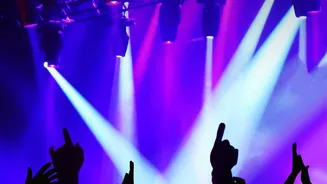




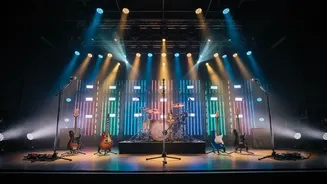
If your social media feed is suddenly flooded with concert clips and festival wristbands, you're not imagining it. There's a fundamental shift happening as young Indians increasingly trade screen time for the shared energy of a live gig.
The Post-Pandemic Experience Economy
After years of
lockdowns and digital isolation, there is a powerful, pent-up demand for real-world connection. This isn't just about seeing a favourite artist; it's about reclaiming experiences that were lost. Industry insiders note that for many young people, especially Gen Z, there's a 'we have one life' mentality driving them to prioritize experiences over material possessions. This has transformed live events from an occasional outing into a vital part of their social lives. The organised live events market has rebounded strongly, with projections showing it surpassed ₹12,000 crore in 2024 and is expected to grow significantly. This boom is fueled by a generation eager for entertainment that can't be replicated on a screen.
Social Media and the Fear of Missing Out
Concerts have become prime content for social media, turning every event into a highly visible cultural moment. The vibrant visuals, from the stage production to the crowd's energy, are perfect for Instagram stories and Reels, creating what some promoters call "social currency". This creates a powerful Fear of Missing Out (FOMO) that drives ticket sales. Seeing friends and influencers post from a festival makes attending feel essential, not just for the music but to be part of a shared, documented experience. While this digital buzz is a huge marketing tool for organisers, it also means people attend for social validation as much as for the love of the artist.
A New Era of Artists and Festivals
India is now an essential stop on global tour schedules for A-list artists like Ed Sheeran and Coldplay, not just an afterthought. Simultaneously, a new generation of homegrown stars, from Diljit Dosanjh to AP Dhillon, are filling stadiums and arenas. This blend of international and domestic talent means there's a constant calendar of high-demand events. Major music festivals like Lollapalooza and NH7 Weekender have also become cultural cornerstones, often selling out months in advance. This influx of diverse acts caters to a wide range of musical tastes and has made live music more accessible and exciting than ever before.
The Rise of the 'Event Tourist'
The desire for live experiences has spurred a new trend: music tourism. A significant number of young Indians are now planning trips around concerts and festivals. According to one survey, over 62% of Gen Z in India plan to take music-led trips in 2026, with many visiting a city for the first time just to attend a live event. This has a massive ripple effect on local economies, boosting hospitality, transport, and retail sectors. For example, Coldplay's concerts in Ahmedabad generated an estimated ₹641 crore in economic impact, with a huge portion driven by attendees traveling from other parts of the country. These fans often extend their stays, turning a concert into a mini-vacation and exploring the host city's culture.
More Than Music: A Quest for Community
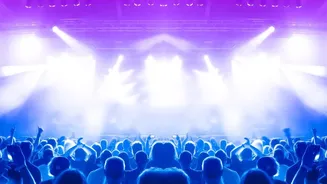
Beyond the spectacle and social media posts, live concerts offer a powerful sense of belonging. In an increasingly digital world, these events provide a physical space for people to connect with a community that shares their passions. The act of singing along with thousands of others creates a feeling of unity and collective joy that is profoundly attractive. Promoters and brands are leaning into this by designing immersive festival experiences that include art installations, food zones, and interactive spaces, turning the event into a multi-faceted cultural gathering. For many young attendees, the concert is the destination where their online tribe becomes a real-life community.