





The Two Faces of Cumin
Cumin is a staple in Indian cooking, but it has two distinct personalities: raw and roasted. Raw cumin powder has a sharp, earthy, and slightly bitter taste. It is often used early in the cooking process, fried in oil or ghee to form the aromatic base
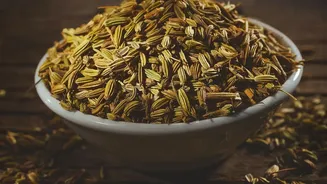
of curries, stews, and dals. Roasted cumin, known as 'bhuna jeera', is a different beast altogether. The process of dry-roasting transforms the seeds, unlocking a deep, nutty, and smoky flavour that is far more complex and aromatic than its raw counterpart. This simple act of toasting mellows the bitterness and releases the spice's essential oils, creating a warmer, more fragrant powder.
How to Make Bhuna Jeera Powder
Making your own roasted cumin powder is a quick process that yields far more flavour than any store-bought version. Start by heating a heavy-bottomed pan over a medium flame. Add whole cumin seeds in a single layer. It is crucial to stir or toss the seeds continuously to ensure they roast evenly and don’t burn. After a few minutes, the seeds will turn a deep brown, become highly fragrant, and may even start to pop. Be careful not to let them turn black, as burnt cumin is intensely bitter. Once roasted, immediately transfer the seeds to a cool plate to stop the cooking process. Let them cool completely before grinding into a powder using a spice grinder or a traditional mortar and pestle. For the freshest flavour, it is best to make small batches frequently.
When to Use Roasted Cumin
Knowing when to use raw versus roasted cumin is key. Raw cumin is for building a foundational flavour at the start of cooking. Roasted cumin, on the other hand, is typically used as a finishing spice. Because its complex, smoky aromas are already developed and more volatile, it's often added toward the end of cooking or sprinkled over a finished dish. It is an essential ingredient in many chaats (Indian street food snacks), raitas (yogurt dips), and chutneys. A sprinkle over buttermilk, salads, or grilled vegetables can instantly elevate the dish, adding a final flourish of nutty, smoky warmth.
The Perfect Pair: Tamarind and Roasted Cumin
The pairing of tamarind and cumin is a classic combination that creates a harmonious balance of flavours. Tamarind, with its sour, slightly sweet, and fruity notes, provides a zesty counterpoint to the warm, earthy, and nutty profile of roasted cumin. While raw cumin can also be used, the smoky depth of bhuna jeera is particularly effective at balancing tamarind's tang, preventing it from becoming overpowering. Research into flavour molecules shows that cumin and tamarind share a significant number of aroma compounds, which helps explain why they work so well together on a chemical level. This duo is the backbone of many iconic Indian dishes, creating a layered and mouth-watering taste experience.
Bringing the Flavours Together
This flavour combination shines in a variety of preparations. In Khatti Dal, a tangy lentil dish, tamarind provides the sourness while roasted cumin adds a smoky depth. Many chaat recipes rely on a tamarind chutney that is often spiced with bhuna jeera powder. You can create a simple but flavourful marinade for grilled vegetables by mixing tamarind paste with roasted cumin powder, garlic, and a touch of paprika. The combination is also popular in drinks like Jal Jeera, a refreshing beverage made with cumin and tamarind water, perfectly showcasing how the two ingredients balance each other. Whether in a sauce, a marinade, a soup, or a drink, the combination brings a signature tangy and earthy flavour to the table.