





The Perishable Problem
Floriculture is a vibrant and growing industry in India, covering thousands of hectares and producing millions of tonnes of loose and cut flowers annually. However, a flower’s journey from farm to vase is a race against time. Flowers are highly perishable,
sensitive to heat, and can lose their value within hours of being picked. For the millions of small and marginal farmers who form the backbone of this sector, this fragility is a constant source of economic distress. A lack of reliable electricity in many rural districts means access to conventional cold storage is either non-existent or prohibitively expensive. This broken cold chain forces farmers into “distress sales,” where they must sell their delicate harvest immediately at rock-bottom prices to avoid total loss. Estimates suggest that these post-harvest losses can be as high as 40%, a devastating blow to farmer incomes and a massive waste of resources.
A Ray of Sustainable Hope
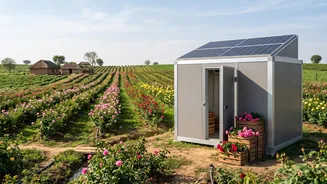
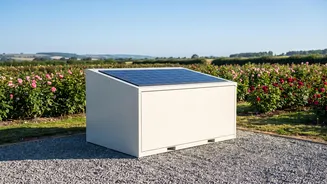
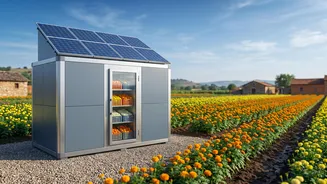
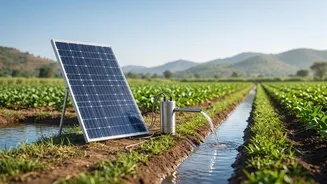
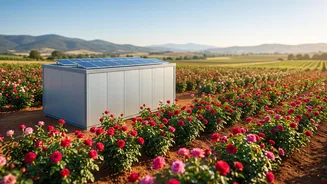
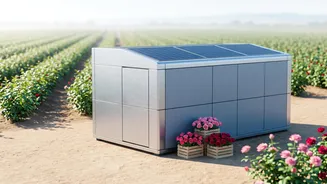
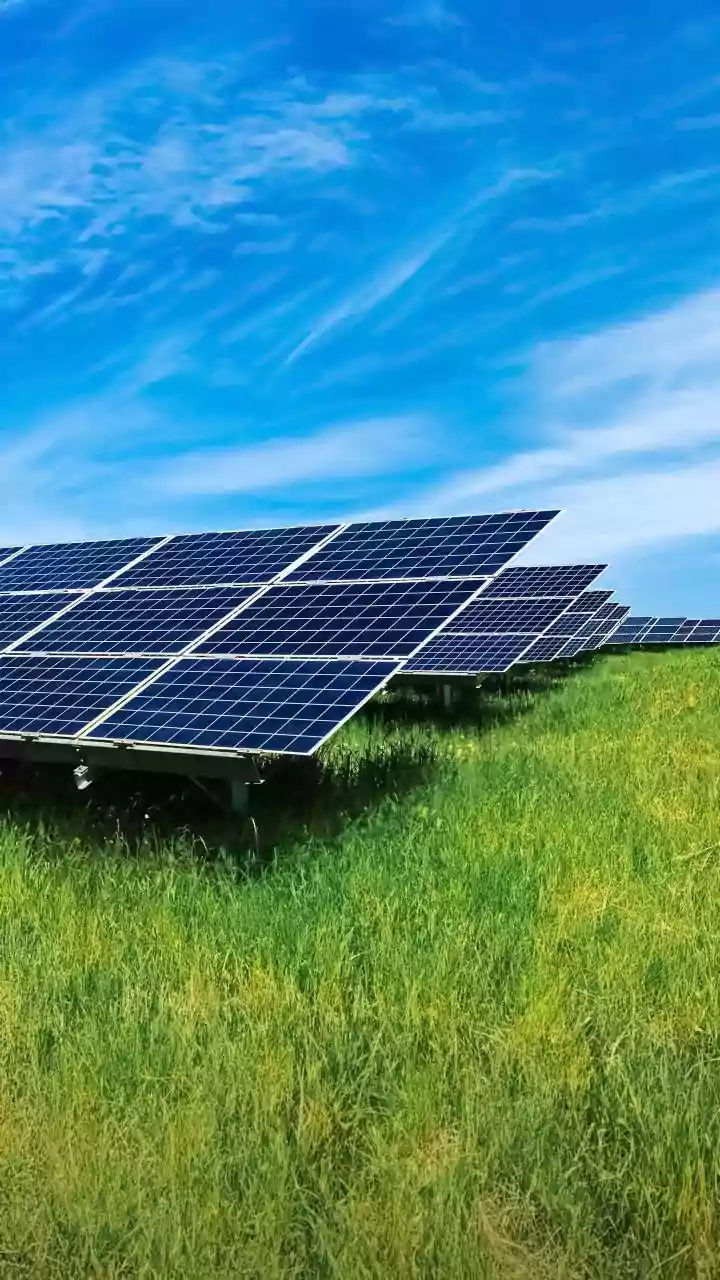
Enter the solar-powered micro-warehouse. These are small, decentralised cold storage units that run entirely on energy from the sun. Instead of relying on an unstable grid or costly diesel generators, these units use solar panels to power a refrigeration system, providing consistent cooling right at the farm gate. This technology is a game-changer for rural areas, offering an affordable and sustainable solution tailored to the needs of small landholders. Startups and social enterprises like Ecozen, Inficold, and CoolCrop are pioneering these solutions across the country, often working with Farmer Producer Organisations (FPOs) to make the technology accessible through ownership or leasing models.
How the Technology Works
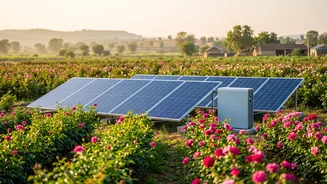
The concept is elegantly simple. Solar panels, typically installed on the roof of the storage unit, capture sunlight and convert it into electricity to run the cooling compressor. The key innovation that makes these systems viable for 24/7 operation is thermal energy storage. Instead of relying solely on expensive electric batteries, many systems use solutions like phase change materials or water-based batteries to store 'coolness' during the day. This stored thermal energy is then used to maintain a low temperature inside the well-insulated chamber through the night and on cloudy days, ensuring the flowers remain fresh. Many modern units are also equipped with smart IoT technology, allowing farmers to monitor and control the temperature and humidity remotely via a simple mobile app.
The Bloom in Farmer Incomes
The impact of this technology is immediate and transformative. With access to on-farm cold storage, farmers are no longer at the mercy of market timings. They can safely store their flowers for several days, shielding them from heat and extending their shelf life. This newfound flexibility allows them to consolidate their produce, bypass immediate distress sales, and negotiate better prices with buyers. By waiting for peak demand periods, such as festivals or weddings, farmers can significantly increase their earnings—sometimes by 20-30%. Furthermore, the improved quality of the flowers, which retain their freshness and colour, commands a higher market value, adding another layer of economic benefit.
Scaling Up for a Greener Future
The road ahead involves scaling this innovation to reach every corner of India's vast agricultural landscape. The primary hurdles remain the initial upfront cost of the units and creating wider awareness among farming communities. However, government initiatives like the PM-KUSUM scheme, which provides subsidies for solar installations in agriculture, are helping to make these solutions more affordable. By empowering FPOs to invest in shared infrastructure, the cost barrier can be further reduced. The successful implementation in states like Andhra Pradesh, Maharashtra, and Karnataka demonstrates a clear and replicable model for success, proving that these micro-warehouses do more than just save flowers—they empower communities and build a more resilient, sustainable food system from the ground up.