





Beyond the Party in Goa
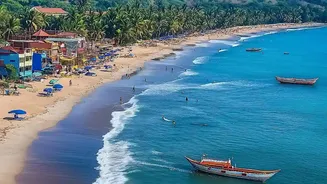
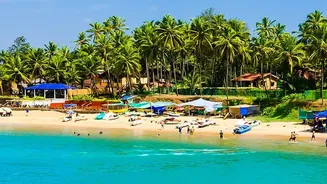
For years, Goa was the default coastal escape, synonymous with beach parties and tourist-packed shores. While North and South Goa remain incredibly popular, the definition of a coastal holiday is expanding. Today’s young travellers are looking beyond
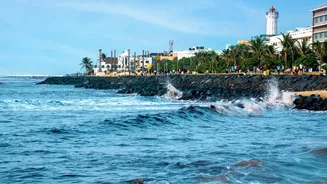
the usual hotspots, exploring quieter, more experiential destinations along the Konkan, Malabar, and Coromandel coasts. This shift is less about rejecting Goa and more about a desire for diversity. Recent travel data shows that while beaches are a top choice for Gen Z, narrowly beating mountains, the motivation is changing. They are seeking everything from the spiritual vibes of Varanasi to the urban energy of Bengaluru, indicating a broader appetite for varied cultural experiences, which now prominently includes exploring the peninsula's vast and varied coastline.
The 'Workation' and Digital Nomad Revolution
Perhaps the single biggest driver of this coastal migration is the remote work revolution. The pandemic normalised the idea of working from anywhere, and young professionals are seizing the opportunity to trade city apartments for seaside villas. Goa has solidified its status as a major 'work-from-beach' hub, attracting startup founders, freelancers, and remote employees with its blend of lifestyle and reliable internet infrastructure. But the trend is spreading. Coastal towns in Karnataka, Kerala, and Tamil Nadu are becoming magnets for digital nomads who are discovering that a good Wi-Fi connection and a sea breeze are a powerful combination for productivity and well-being. This isn't just a long holiday; it's a lifestyle choice, blending work with the rhythm of coastal life.
A Search for Slower, More Mindful Living
Alongside the hustle of remote work is a parallel search for its opposite: the chance to disconnect entirely. Wellness travel is one of the fastest-growing segments in India, and coastal regions are at its heart. Young travellers are increasingly seeking out yoga retreats, Ayurvedic centres in Kerala, and meditation programmes that offer a structured break from digital overload and urban stress. The goal is no longer just to see a new place, but to return home feeling rejuvenated. This trend is driven by a growing awareness of mental and physical health, with travellers prioritising experiences that promote relaxation, mindfulness, and a connection with nature—all of which the coast offers in abundance.
Adventure on the Waterfront
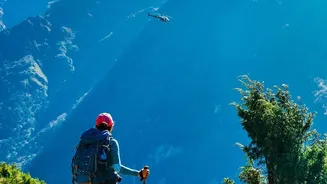
The modern coastal trip is far from passive. India is seeing a boom in adventure tourism, with a decisive shift towards experience-led travel. The country's extensive coastline provides a natural playground for a new generation of thrill-seekers. Activities like surfing, kayaking, scuba diving, and coastal trekking are gaining immense popularity. This isn't just about extreme sports; it includes 'soft adventure' that combines physical activity with cultural immersion. This growing appetite for adventure introduces travellers to the outdoors, builds their skills, and fuels a desire for more immersive experiences beyond just sunbathing. Coastal regions, with their mix of water sports and scenic trails, are perfectly positioned to meet this demand.
The Influence of the Instagram Grid
In the age of social media, travel decisions are heavily influenced by what’s trending online. For Gen Z, Instagram is a primary source of travel inspiration. The visual appeal of pristine beaches, dramatic sunsets, charming seaside cafes, and unique boutique stays makes for compelling content. The coast provides a stunning and ever-changing backdrop that is perfect for a curated feed. This digital word-of-mouth effect helps uncover lesser-known spots, turning them into the next must-visit destinations. While authenticity is a goal, the desire to capture and share beautiful moments is a powerful motivator, and the Indian coastline offers a nearly endless supply of 'Instagrammable' opportunities.