







A Philosophy of Disconnection
For many advocates, wild camping is not just about sleeping outdoors; it's a deliberate act of unplugging from the relentless hum of modern life. The goal is immersion in nature, a chance to recalibrate the mind and body away from notifications, emails,
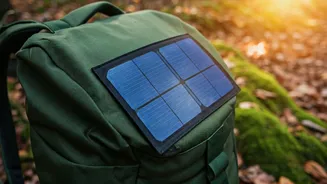
and the endless scroll. Integrating a digital port into the most essential piece of gear—the backpack—is seen by purists as a contradiction of this core principle. It represents a tether to the very world they are trying to escape. A USB port on a bag implies an intention to stay connected, to keep devices charged and ready. This philosophy argues that true escape requires letting the battery die, both literally and metaphorically. The wilderness is sought for its silence and simplicity, and carrying a constant reminder of the digital world is, for many, a compromise they are unwilling to make.
The Gospel of 'Bombproof' Gear
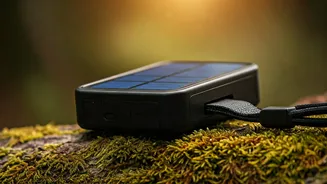
Beyond philosophy lies hard-nosed practicality. Experienced wild campers live by a simple mantra: complexity is the enemy of reliability. When you are miles from the nearest town, depending on your gear for shelter, warmth, and safety, every component must be as durable and failure-proof as possible. A built-in USB port, with its delicate electronics and wiring, introduces a significant point of potential failure. It can be damaged by impact, compromised by dust, or, most critically, shorted out by moisture. While manufacturers may tout water-resistant seals, seasoned backpackers know that torrential rain finds a way into everything. A simple, robust rucksack with reinforced seams and durable fabric is considered 'bombproof'. A bag with an integrated electronic component is seen as inherently weaker. A separate, waterproof power bank stored safely inside a dry bag offers a more resilient, modular, and field-tested solution for charging essential devices like a GPS or headlamp.
Weight, Weather, and Unnecessary Features
In the world of trekking and wild camping, every gram counts. Ultralight backpackers spend significant money to shave a few hundred grams off their 'base weight'. While the wiring and port for a charging system may seem negligible, it is still added weight for a feature many consider a gimmick. This goes against the minimalist ethos that governs serious outdoor pursuits. Furthermore, the port creates a breach in the bag's weatherproof shell. No matter how well-sealed, it's an additional entry point for water during a downpour, posing a risk not only to the port itself but to the contents of the bag. Most wild campers argue that the functionality is redundant. Why have a port on the outside of your bag when a simple power bank can be used to charge a device inside your tent at night, protected from the elements? The feature is often seen as a marketing ploy aimed at casual users, not a genuine innovation for those who spend serious time in the wild.
The Psychology of Self-Reliance
Ultimately, the rejection of digital ports is a statement about self-reliance. Wild camping builds confidence by forcing individuals to depend on their skills, knowledge, and preparation rather than external systems. This includes navigating with a map and compass, understanding weather patterns, and managing resources carefully. Relying on a bag's charging port can foster a dependency on technology that undermines this sense of competence. The mindset is about being prepared for things to go wrong. If your phone is your primary navigation tool and you are depending on an exposed port to keep it alive, you have a single point of failure. The traditionalist approach favours redundancy and simplicity: a physical map as a backup, a protected power bank for emergencies, and the skills to thrive without either. By choosing simpler gear, campers are reinforcing a mindset of capability and independence, which is often the most valuable reward the wilderness has to offer.