



The Silent Threat Below the Soil
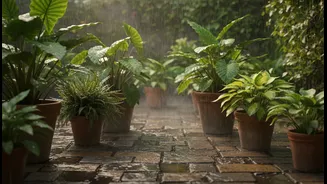
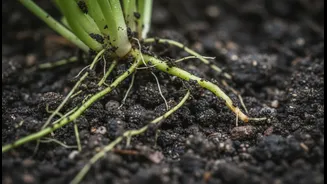
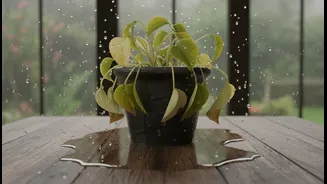
Root rot is one of the most common and destructive problems for potted plants, especially during the relentless rain of the monsoon. The disease is caused by fungal pathogens that thrive in waterlogged soil where oxygen is scarce. When a pot's drainage
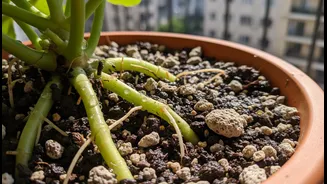
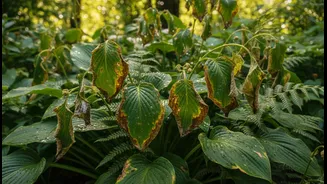
is poor, rainwater saturates the soil, suffocating the roots and creating the perfect breeding ground for these fungi. The insidious nature of root rot means that by the time you see visible symptoms above the soil—like yellowing or wilting fronds—the damage to the root system is often severe. You might notice drooping older leaves, slowed growth, or even a foul, rotten smell from the soil.
Why Your Balcony Palm Is at Risk
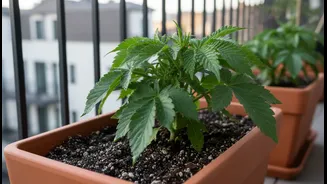
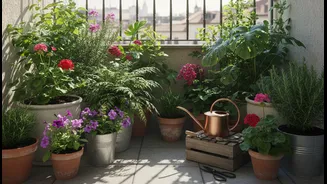
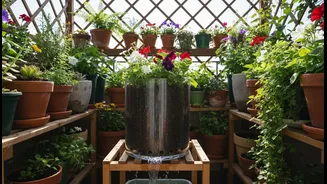
Palm trees in containers are particularly vulnerable. Unlike trees in the ground, their roots are confined to a limited space where water can accumulate quickly. Balconies, while providing a lovely home for greenery, can sometimes limit direct sunlight and airflow, slowing down how quickly soil dries out. During the monsoon, this combination of constant rain and reduced evaporation is a recipe for disaster. The soil remains soggy for days, preventing roots from accessing the oxygen they need to survive and function, which can lead to nutrient deficiencies and a rapid decline in the plant's health.
Your Defence: Perlite and Proper Drainage
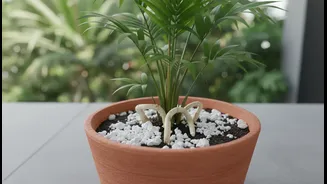
The headline's "expanded perlite grates" refers to a two-part system for superior drainage. Expanded perlite is a volcanic glass that's heated until it pops like popcorn, creating a sterile, lightweight, and extremely porous material. When mixed into potting soil, its tiny air pockets improve aeration and prevent compaction, allowing excess water to drain freely while still holding enough moisture for the plant. The "grate" refers to creating a drainage layer at the bottom of the pot. This can be a specialised mesh screen or even a simple piece of mesh or broken pot shards placed over the drainage holes to prevent them from getting clogged with soil. This combination ensures a clear exit path for water and an airy home for the roots.
A Step-by-Step Guide to Repotting for Monsoon
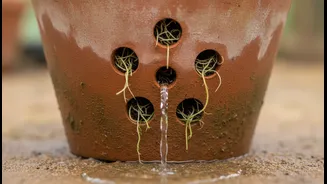
To protect your palm, you may need to repot it into a more monsoon-friendly setup. First, choose a pot that has multiple drainage holes. Terracotta pots are an excellent choice as their porous walls help soil breathe. Gently remove the palm from its current pot and inspect the roots. Trim away any that are brown, black, or mushy with sterilised shears. Next, cover the drainage holes with a mesh screen or broken pottery. Now, create your ideal soil mix. A good starting point is a high-quality potting mix blended with 20-30% expanded perlite. For palms that are especially sensitive to wetness, you can increase the perlite ratio. Place a layer of this mix in the new pot, position your palm, and fill in around the root ball, gently firming the soil. Water lightly and place the pot on feet or bricks to elevate it, ensuring water can escape freely.
Additional Care During the Rainy Season
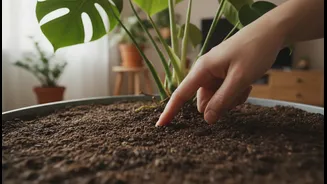
Your drainage system is the first line of defence, but other habits are also crucial. First, adjust your watering schedule. Even with rain, plants on a covered balcony may still need water, but it's vital to check the soil first. Stick your finger a few inches deep; if it feels damp, wait longer. Improving air circulation is also key. If possible, space your plants out to allow for better airflow, which helps foliage and soil dry faster. Finally, regularly remove any dead or yellowing fronds and any debris from the topsoil. This not only keeps the plant looking tidy but also discourages fungal growth and pests that are attracted to decaying matter and damp conditions.