




What Exactly is the Gaganyaan Mission?
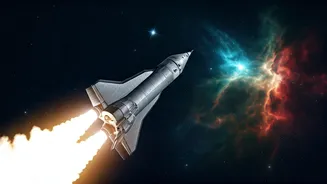
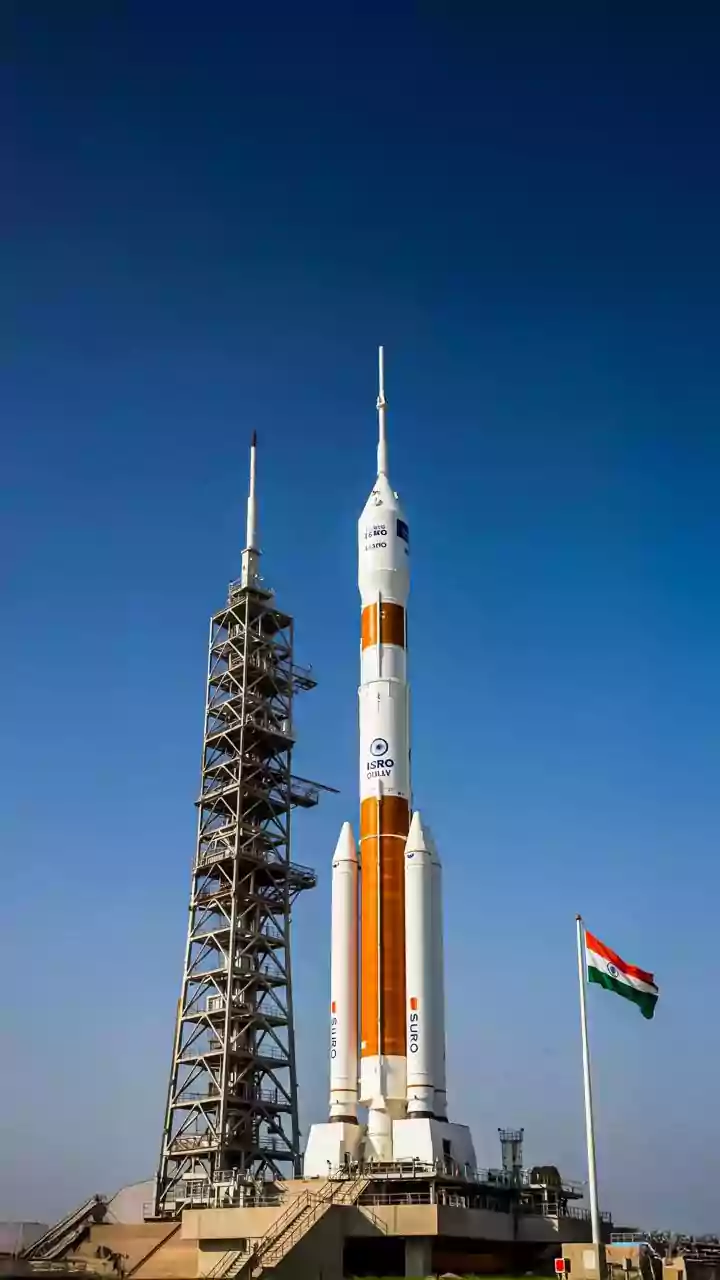
At its heart, Gaganyaan is India's first-ever human spaceflight programme. The primary objective is to demonstrate the nation's capability to launch a crew of up to three astronauts into a Low Earth Orbit (LEO) of 400 kilometres for a three-day mission
and bring them back safely to Earth. A successful mission would make India the fourth country in the world, after Russia, the United States, and China, to have an independent human spaceflight capability. This isn't just about planting a flag; it's a monumental step that involves mastering complex technologies, from a human-rated launch vehicle to a life-sustaining orbital module and a foolproof crew escape system. The entire programme is a testament to India's 'Aatmanirbhar Bharat' vision, a strategic national asset that is transforming the country from a scientific contender into a major space power.
The Next Hurdle: The G1 Uncrewed Flight
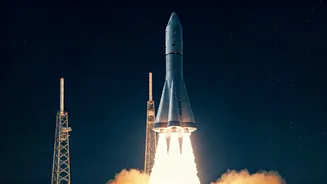
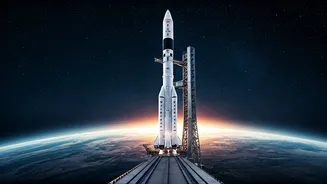
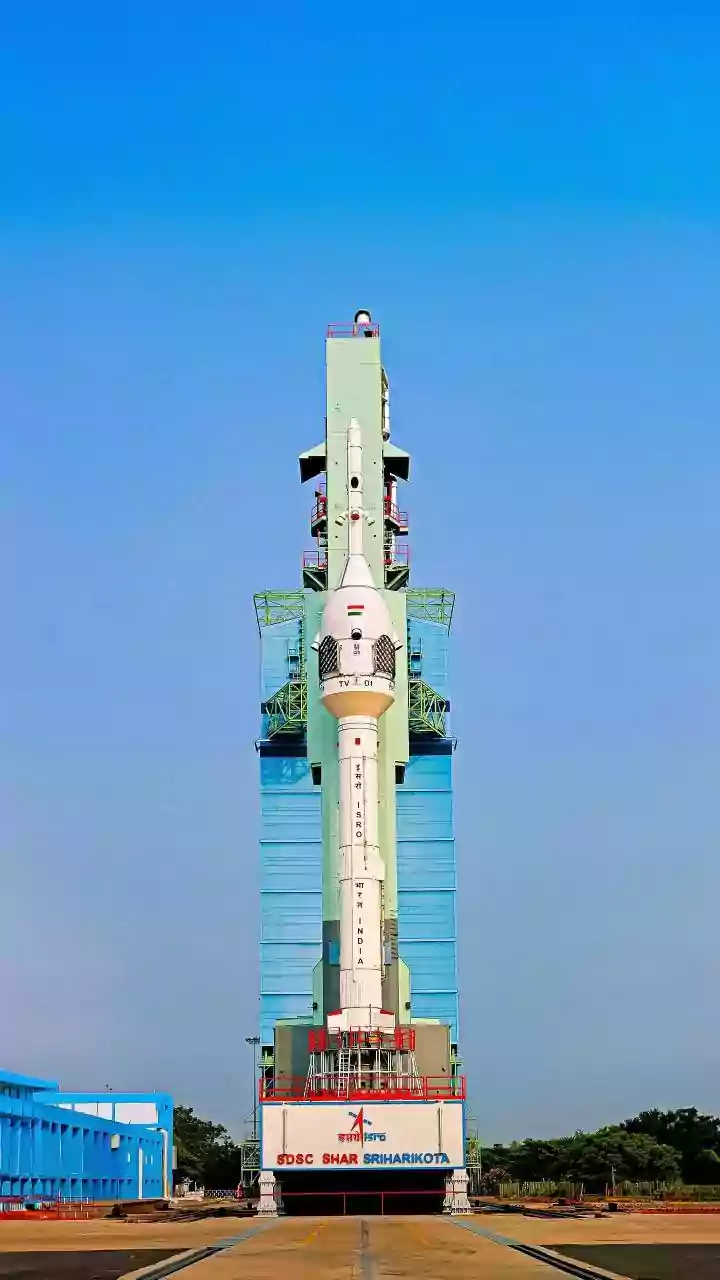
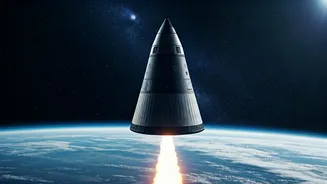
The most significant upcoming test is the first uncrewed orbital mission, designated Gaganyaan-1 (G1). Scheduled for the second half of 2026, this flight is the ultimate dress rehearsal before astronauts step aboard. The mission will launch using the human-rated LVM3 rocket (HLVM3), a vehicle that has been modified to meet the stringent safety and reliability standards required for carrying a crew. Instead of astronauts, the G1 mission will carry Vyommitra, a sophisticated humanoid robot developed by ISRO. Vyommitra will simulate human functions, monitoring the crew module's environment, life-support systems, and overall performance in space. This flight will test everything from launch and orbital manoeuvres to atmospheric re-entry and recovery operations in the Indian sea, providing invaluable data to ensure every system is ready for the crewed mission.
Why These Tests Are Make-or-Break
While rocket launches often capture public imagination, the success of Gaganyaan hinges on a series of meticulous, and often less glamorous, tests. Before the G1 orbital flight, ISRO has been conducting Integrated Air Drop Tests (IADT). The second successful IADT was completed in April 2026, validating the complex parachute sequence needed to slow down the crew module for a safe splashdown. These tests are non-negotiable for astronaut safety, simulating the critical re-entry phase where precision is paramount. The upcoming uncrewed flights are the final exams for the entire system. They will validate the performance of the orbital module, the propulsion systems, and the on-ground tracking and communication networks. Any anomaly here provides a crucial opportunity to refine systems without risking human life, making these precursor missions the backbone of the entire programme's safety-first approach.
The 'Everything' Gaganyaan Could Change
The headline's claim that these tests 'could change everything' is not an overstatement when viewed through a national lens. Success will have a cascading effect. Strategically, it elevates India's global standing, opening new doors for international space diplomacy and collaboration. Economically, it is set to catalyse India's space economy, which is projected to grow five-fold to over USD 40 billion in the next decade. The mission has already spurred the growth of over 400 space startups and expanded the participation of private industry leaders. Furthermore, Gaganyaan is a powerful engine for technological advancement in fields far beyond space, from advanced materials to medicine. It paves the way for future ambitious projects, including the 'Bharatiya Antariksh Station' (Indian Space Station) by 2035 and sending an Indian to the Moon by 2040.