







Understanding the Enemy: Humidity
The single biggest challenge for food storage during the monsoon is the sharp increase in atmospheric moisture. High humidity creates the perfect breeding ground for mould and bacteria, accelerating spoilage. It causes dry goods to absorb moisture, leading
to clumping, loss of texture, and reduced shelf life. Your pantry, which was a safe haven during drier months, now requires a new strategy to combat this invisible, persistent dampness that threatens everything from your spices to your favourite fried snacks.
Airtight is Non-Negotiable
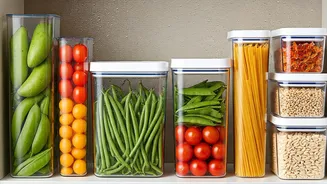
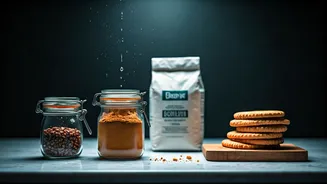
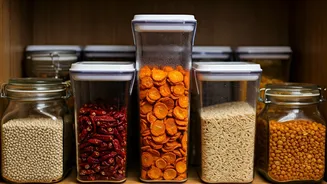
The first and most important rule for monsoon storage is to use airtight containers. This is not the time for loose lids or decorative jars that don't seal properly. Transfer staples like flour, pulses (dals), sugar, salt, and spices into containers that lock securely as soon as you open their original packaging. Glass and steel are generally better choices than plastic, as they are less permeable and don't trap moisture. For items like biscuits, namkeen, and chips, a truly airtight seal is the only thing standing between crispy satisfaction and soggy disappointment.
Spices, Salt, and Sugar Solutions
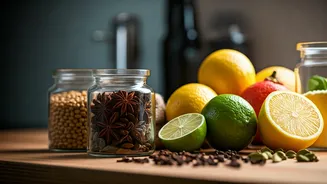
Spices are particularly vulnerable during the rains, often losing their potent aroma and forming hard clumps. To combat this, always use a completely dry spoon when handling them. Storing them in a cool, dry cabinet away from the steam of the stove is crucial. For salt and sugar, which are notorious for clumping, switching to glass jars can make a significant difference. A classic home remedy is to add a few grains of uncooked rice to your salt shaker or spice jars; the rice acts as a natural desiccant, absorbing excess moisture.
Protecting Grains and Flours
Flours (like atta and besan), rice, and pulses can attract moisture and pests during the monsoon. Storing them in large, airtight steel bins is a traditional and effective method. For added protection against insects, many households rely on natural repellents. Placing a few dried bay leaves (tej patta) or a dried red chilli in your containers of rice and dal can help deter pests. Some also suggest lightly roasting grains like sooji (semolina) before storing to remove any latent moisture and extend their life.
Keeping Snacks and Biscuits Crisp
There's little more disappointing than reaching for a crunchy snack only to find it has turned soft and chewy. To prevent this, store biscuits and fried snacks in airtight containers immediately after opening. For extra protection, you can line the container with a paper towel or blotting paper to absorb any rogue moisture. If your snacks have already lost their crunch, a few minutes in a preheated oven or an air fryer can often bring them back to life by drying them out. For open packets of chips or biscuits, refrigeration in a sealed bag is also a viable option to maintain crispness.
Handling Fresh Produce
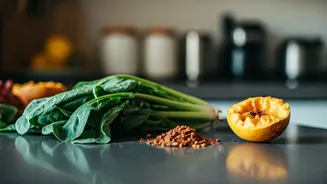
Vegetables and fruits also require special attention. Leafy greens are prone to rotting quickly. After washing, ensure they are thoroughly dried—a salad spinner is excellent for this—before wrapping them in paper towels and storing them in the refrigerator's vegetable crisper. It’s also wise to clean your refrigerator regularly during this season, as spills and trapped food particles can become breeding grounds for mould in the humid environment.