








The Perennial Pain of Roaming
For decades, Indian travellers have faced a frustrating choice when flying abroad: either pay exorbitant rates for international roaming packs from their home carrier, or go through the hassle of finding a local shop, buying a physical SIM card, and swapping
it out. Roaming packs often come with restrictive data caps and validity periods, making them a poor value proposition. The alternative—buying a local SIM—means losing access to your primary Indian number for calls and messages, including crucial OTPs for banking.
Your Phone’s Secret Weapon: The eSIM
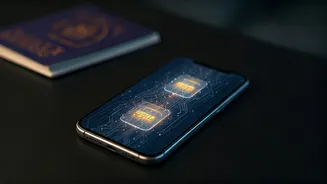
Most modern smartphones, including recent models from Apple, Samsung, and Google, have a powerful feature hiding in plain sight: the eSIM, or embedded SIM. Unlike a physical SIM card that you insert, an eSIM is a digital chip built directly into your phone’s motherboard. This allows you to download and activate a cellular plan from a new provider without needing to swap any physical cards. You can even store multiple eSIM profiles on one phone, switching between them as needed. This technology is the key that unlocks a new, cheaper world of international data.
Unpacking 'Peer-to-Peer' Sharing
The term 'peer-to-peer eSIM sharing' might sound like you’re borrowing data directly from a stranger’s phone, but the reality is more practical and structured. It refers to a growing ecosystem of apps and online marketplaces that connect travellers directly with local data plans from around the world. Think of it as an Airbnb for mobile data. Instead of buying a heavily marked-up roaming package from your home provider, these platforms let you buy a data-only eSIM from a local carrier in the country you’re visiting, often at a fraction of the cost. The 'peer' element comes from the community-driven marketplace model that cuts out the expensive middleman—your home network.
The Major Advantages: Cost and Convenience
The primary benefit is, without a doubt, cost. You can often find a week's worth of data in countries like Thailand, the UAE, or the USA for less than the price of a single day’s roaming from an Indian provider. The convenience is another huge plus. You can purchase and install your eSIM from the comfort of your home before you even leave for the airport. Upon landing, you simply switch your phone’s data setting to the new eSIM, and you’re instantly online. There’s no need to hunt for a SIM card kiosk, struggle with language barriers, or hand over your passport for registration. Your primary Indian SIM remains active for calls and texts, so you won’t miss any important communication.
Potential Hurdles to Consider
While this method is revolutionary, it’s not without a few considerations. First, your phone must be both eSIM-compatible and 'unlocked' (not tied to a specific carrier). Most phones sold in India are unlocked, but it's always wise to check. Second, these services are typically data-only, meaning you won’t get a local phone number for making traditional calls (though WhatsApp and other data-based calls work perfectly). Finally, while major platforms offer reliable service, coverage can sometimes vary, and customer support might not be as instantaneous as walking into a local carrier's store. It’s best to stick to well-reviewed and established eSIM marketplace apps.
Your Quick Start Guide
Ready to try it on your next trip? The process is simple. First, confirm your phone supports eSIM technology by checking your device’s settings or manufacturer’s website. Next, download a popular eSIM marketplace app (a quick search for 'eSIM travel' on the App Store or Play Store will reveal top options like Airalo, Nomad, or Holafly). Browse plans for your destination country, paying attention to the amount of data, validity period, and price. Once you’ve purchased a plan, the app will guide you through a simple installation process, which usually involves scanning a QR code. Activate it upon arrival, and enjoy affordable data throughout your trip.