




Essential Documents and Permits
Before you pack a single piece of clothing, ensure your documents are in order. The Shri Amarnathji Shrine Board (SASB) has a strict process. You must carry your Yatra Permit, which is issued after registration, and the Compulsory Health Certificate (CHC)
from an authorized doctor certifying your fitness for high-altitude trekking. Also essential are a government-issued photo ID like an Aadhaar card or passport, and your RFID (Radio Frequency Identification) tag, which must be collected before starting the trek. It's wise to keep multiple passport-sized photographs and have both physical and digital copies of all documents stored in a waterproof pouch.
Clothing: The Art of Layering
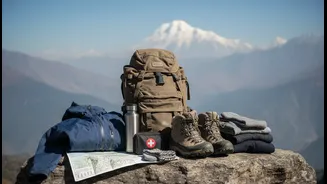
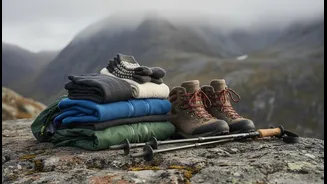
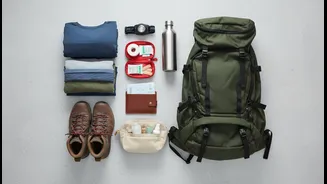
The weather on the Amarnath trail is highly unpredictable, with temperatures fluctuating from pleasant to below freezing in a matter of hours. The key is to dress in layers. Start with moisture-wicking thermal innerwear to keep sweat away from your skin. Add a fleece jacket or a warm sweater as your mid-layer for insulation. Your outermost layer must be a waterproof and windproof jacket to protect you from sudden rain or snow. Waterproof trousers are equally important. Avoid cotton, which absorbs moisture and can make you feel cold and damp. Pack several pairs of woollen socks, a woollen cap, a muffler or neck gaiter, and waterproof gloves.
Footwear: Your Most Important Gear
The trek involves navigating steep, uneven, and often slippery paths. Investing in a good pair of waterproof trekking shoes with high ankle support and excellent grip is non-negotiable. Do not make the mistake of wearing new shoes on the yatra; break them in by wearing them for a few weeks beforehand to prevent painful blisters. Slippers or sandals are not permitted on the trail but are useful for relaxing at campsites. Carrying an extra pair of shoelaces is also a small but practical tip.
Personal Medical Kit
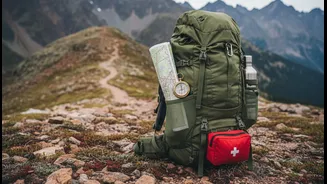
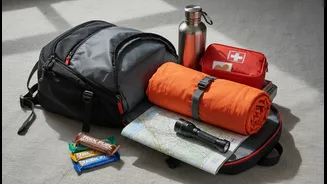
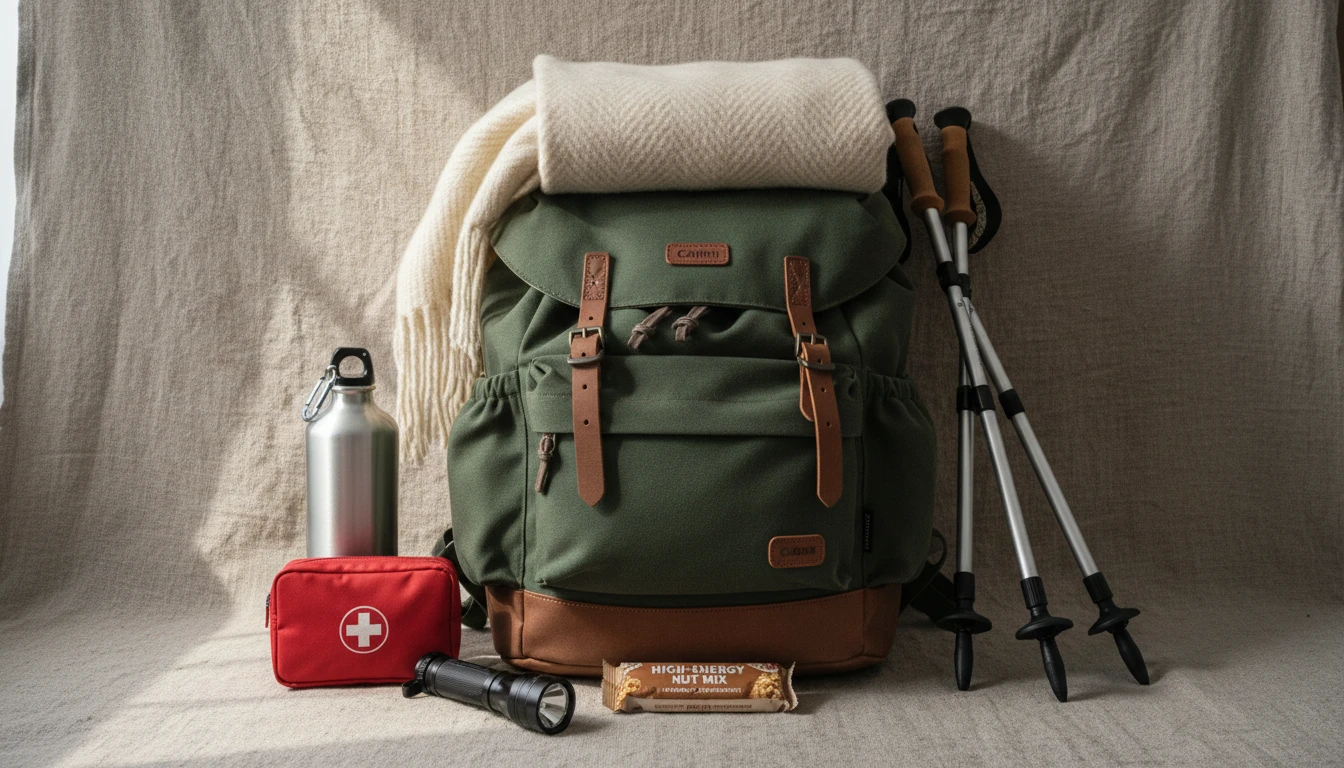
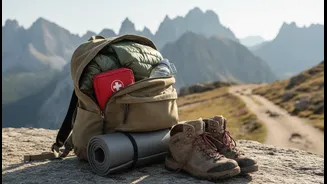
While medical facilities are available every few kilometres, carrying a personal first-aid kit is crucial for immediate needs. Your kit should include your regular prescription medications, along with medicines for fever, pain relief, cough, and cold. Given the high altitude, include medication for motion sickness and acute mountain sickness (AMS), like Diamox, but only after consulting your doctor. Band-aids, antiseptic wipes, pain-relief spray, and Oral Rehydration Salts (ORS) sachets are also essential. Due to increased UV exposure at high altitudes, sunscreen (SPF 50+), lip balm, and a good moisturizer are must-haves.
Food, Snacks, and Hydration
Staying hydrated and energized is vital. The official health advisory recommends drinking about 5 litres of fluid daily to combat dehydration. Carry a reusable, insulated water bottle or a thermos to keep water from getting too cold. While langars (free kitchens) provide meals along the route, it's smart to carry your own high-energy snacks. Pack items like dry fruits, nuts, energy bars, and glucose packets for a quick energy boost during the trek.
Backpack and Other Essentials
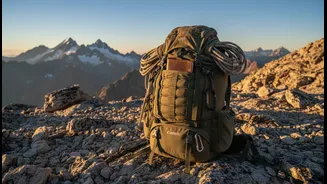
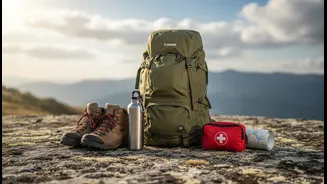
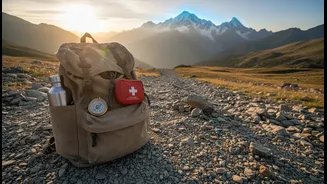
Choose a sturdy, waterproof backpack with comfortable straps, ideally between 50-60 litres. A rain cover for your backpack is essential to keep your belongings dry. A trekking pole can provide much-needed stability on steep sections. For navigating in the dark, especially during early morning starts, a torch or a headlamp with extra batteries is indispensable. Other useful items include a power bank for your electronics, a small towel, hand sanitizer, and sunglasses to protect against glare. Remember that prepaid SIM cards from other states may not work in Jammu and Kashmir, so a postpaid connection is recommended.