




The Power of a Personal Uniform
The idea of a personal uniform isn't about wearing the exact same outfit daily, like Steve Jobs and his iconic black turtleneck. Instead, it’s about creating a consistent and reliable outfit formula that reflects your personal style. Think of it as a curated
collection of versatile pieces that mix and match effortlessly, from core items like jeans and T-shirts to a specific colour palette that ensures everything works together. This approach isn't restrictive; it’s liberating. By defining what you love to wear and what makes you feel confident, you create a signature style that simplifies your life.
Curbing Overbuying and Decision Fatigue
One of the most significant benefits of adopting a personal uniform is the impact it has on your spending habits and mental energy. Many people make purchasing decisions based on fleeting trends or sales, leading to a wardrobe full of items that are seldom worn. When you have a clear uniform, shopping becomes a targeted activity to fill a specific gap rather than a hobby driven by impulse. This intentional approach saves money and reduces waste. Furthermore, it combats decision fatigue. Choosing an outfit from an overflowing closet can be a stressful start to the day. A streamlined wardrobe with pre-approved combinations frees up mental energy for more important decisions.
Step 1: Audit Your Current Wardrobe
The first step is to understand what you already have and what you actually wear. Most people wear only about 20% of their clothes 80% of the time, a concept known as the 80/20 rule or Pareto Principle. Begin by taking everything out of your closet. Identify the items you reach for repeatedly. These are your style anchors. Ask yourself why you love them. Is it the fit, the fabric, the colour? This process helps you identify the core components of your authentic style, not an idealized version of it. Be honest about what doesn't work and set those items aside.
Step 2: Define Your Outfit Formula
With your favorite pieces identified, look for patterns. What combinations do you wear most often? Is it a blazer with jeans and a tee? Or maybe a casual dress with sneakers? This is your outfit formula. You might have a few different formulas for different parts of your life, such as work and weekends. The goal is to establish a few go-to silhouettes that you know you look and feel good in. This formula will become the blueprint for your uniform, guiding future purchases and making getting dressed an automatic, stress-free process.
Step 3: Establish a Cohesive Color Palette
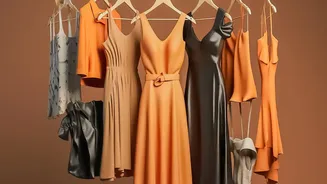
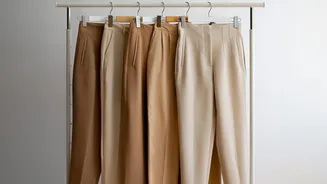
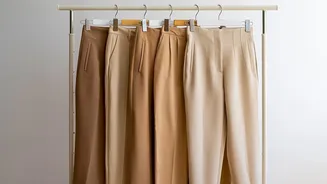
A cohesive color palette is the glue that holds your uniform together, ensuring maximum versatility. A good strategy is to build your palette around two or three neutral base colours that flatter you, such as black, navy, cream, or brown. These will be the foundation for larger items like trousers, coats, and shoes. Then, add two to three main colours that you love and wear often. Finally, select one or two accent colours for smaller pieces like tops, scarves, or accessories. This structure ensures that almost every item in your closet can be paired with several others, dramatically increasing your outfit options without adding bulk.
Shopping with a Clear Mission
Once your uniform and colour palette are defined, your relationship with shopping will change. Instead of browsing aimlessly, you'll shop with a clear mission: to find a high-quality piece that fits a specific need within your formula. Before buying anything new, ask if it adheres to your color palette and if it can be worn with at least three other items you already own. This mindful approach prevents the accumulation of “orphan” items that don't match anything and ensures every piece in your wardrobe earns its place, saving you money and reducing closet clutter in the long run.