


The Pakoda Predicament
Let’s be honest: few things capture the soul of Indian comfort food like the pakoda. Whether it’s a drizzly monsoon afternoon or a sudden gathering of friends, a plate of these deep-fried fritters is pure joy. Yet, in an age of calorie counting and wellness
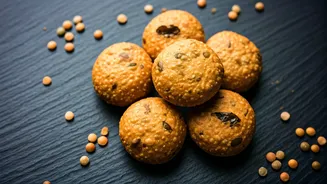
trends, the pakoda often finds itself on the 'avoid' list. The words 'deep-fried' and 'oily' cast a long shadow over our favourite snack, turning a simple pleasure into a moment of dietary negotiation. This is where the narrative around moong dal pakodas, or 'moongode', begins. They are often presented as the guilt-free alternative, the pakoda you can eat without derailing your health goals. But can a fried snack truly be healthy, or is this just wishful thinking?
The Power of the Lentil
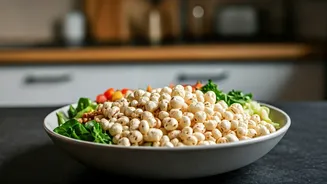
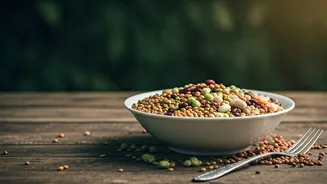
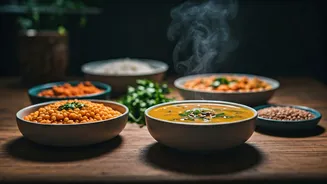
The foundation of the 'healthier' claim lies in the core ingredient itself: moong dal (split yellow lentils). Unlike other pakodas that often rely on refined gram flour (besan) to coat a vegetable, moong dal pakodas are made from a batter of the ground lentils themselves. This is a crucial distinction. Moong dal is a nutritional powerhouse, packed with plant-based protein and dietary fibre. A single serving provides a significant amount of your daily protein needs, which helps in muscle repair and keeps you feeling full and satisfied for longer. The high fibre content aids digestion and helps regulate blood sugar levels, preventing the sharp energy spikes and crashes associated with snacks high in refined carbohydrates. Furthermore, moong dal is rich in essential minerals like potassium, magnesium, iron, and copper, along with B vitamins, making it a far more nutrient-dense choice than a simple slice of potato or onion.
A Head-to-Head Comparison
So, how do they stack up against the classics? Let's compare. A traditional potato pakoda (aloo pakora) consists of a starchy potato slice dipped in a besan batter and fried. While delicious, you're getting a mouthful of simple carbs with a thin protein coating. Onion pakodas (kanda bhajji) fare a bit better, but the nutritional load is still carried primarily by the besan and the oil it absorbs. Moong dal pakodas, on the other hand, are protein and fibre from the inside out. The entire fritter is made of the nutrient-rich lentil paste. This composition means they are more satiating, so you're likely to eat fewer of them to feel satisfied. The protein helps balance the effect of the carbohydrates, making them a more balanced macronutrient snack compared to their starchy or besan-heavy cousins. The texture is also a win – a unique combination of a crispy exterior and a soft, fluffy interior that doesn't feel as heavy or greasy.
It's Not Just the Dal
Here’s the essential reality check: calling something 'healthier' is relative. While the moong dal base is nutritionally superior, the cooking method remains the most critical factor. If you deep-fry any pakoda in old, smoking oil at the wrong temperature, it will absorb an enormous amount of unhealthy fat, negating many of the benefits. The term 'healthier' assumes mindful preparation. To truly make moong dal pakodas a better choice, the way you cook them matters immensely. The goal is to achieve that perfect crunch without letting the fritter become a sponge for oil. This means paying attention to oil quality, temperature, and even exploring alternative cooking methods that have become popular in modern Indian kitchens.
Tips for the Ultimate Guilt-Free Crunch
Ready to embrace the healthier crunch? Here’s how to elevate your moong dal pakoda game. First, always soak the dal for at least 2-3 hours; this reduces cooking time and makes the nutrients more bioavailable. When grinding, use minimal water to get a thick batter, which absorbs less oil. Enhance the nutritional value by mixing in chopped spinach (palak), fenugreek leaves (methi), or grated carrots into the batter. When frying, use a good quality oil with a high smoke point and ensure it’s hot enough (around 180°C) before dropping in the batter; this sears the outside quickly, preventing oil absorption. Don’t overcrowd the pan. For an even healthier take, use an appe or paniyaram pan with just a few drops of oil per cavity. Or, for the ultimate modern twist, spritz them with oil and cook them in an air fryer until golden and crisp. Serve them with a fresh mint-coriander chutney instead of sugary ketchup for a final healthy flourish.