





Your Body’s Natural Air Conditioner
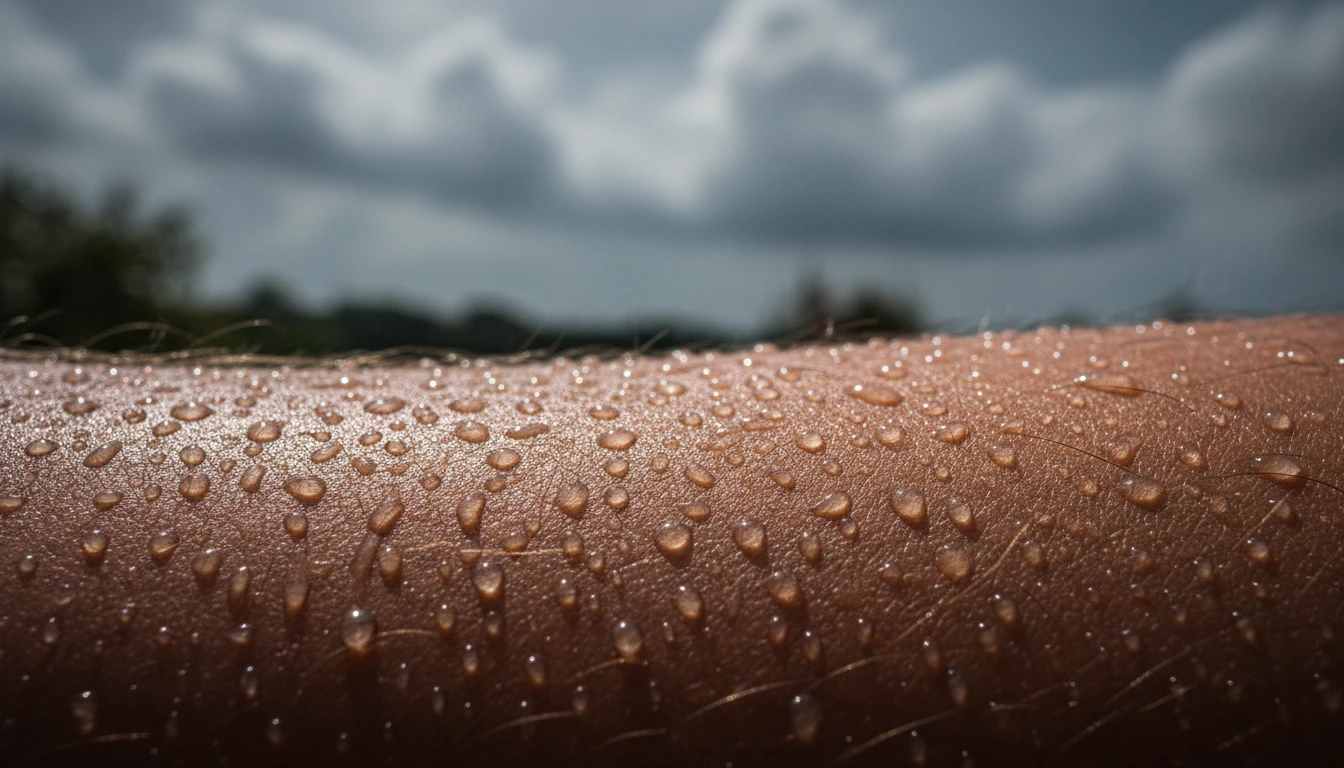
Your body has an incredibly efficient system for managing heat: sweating. When you exercise, your internal temperature rises, and your brain signals your sweat glands to get to work. As sweat beads on your skin, it evaporates into the air. This process
of evaporation is what actually cools you down, pulling heat away from your body. In dry conditions, this system works beautifully. Sweat evaporates quickly, often so fast you might not even feel particularly sweaty, and your body temperature stays regulated. This evaporative cooling is the main way our bodies prevent overheating during physical exertion.
How Humidity Breaks the System
Humidity is the amount of water vapour already present in the air. When humidity is high, the air is saturated and can't absorb much more moisture. This means that when you sweat, the perspiration has nowhere to go. Instead of evaporating and cooling you, it just sits on your skin or drips off your body. This inefficient sweating is the reason an 30°C day with 80% humidity can feel much hotter and more oppressive than a 35°C day in a dry climate. Your body, sensing that it's still overheating, tries to compensate by producing even more sweat, which accelerates fluid and electrolyte loss without providing any cooling benefit. This puts immense strain on your cardiovascular system, as your heart has to work harder to pump blood to the skin to try and release heat.
The Deception of Dehydration
Here's where it gets tricky. In humid weather, the usual signs of dehydration can be misleading. You're drenched in sweat, so you might assume your body is cooling itself effectively. However, that sweat isn't evaporating; it’s just sitting there. This creates a dangerous disconnect. You're losing large amounts of fluid and vital electrolytes, but not getting the cooling effect in return. Furthermore, some research suggests that the body's thirst response can be blunted in humid conditions. You might not feel thirsty even when you are already on the way to becoming dehydrated. This combination of non-evaporating sweat and a less reliable thirst signal makes it much harder to notice you’re in trouble until more serious symptoms set in.
Subtle Signs to Watch For
Since thirst and the feeling of sweat evaporating aren't reliable gauges in humidity, you need to pay attention to other signals from your body. Mild to moderate dehydration can manifest in ways that are easy to dismiss as just part of a tough workout. Look out for headaches, unusual fatigue, muscle cramps, or feelings of dizziness and irritability. One of the most reliable indicators is the colour of your urine; if it's dark yellow instead of pale and clear, you need to hydrate immediately. A rapid heart rate, confusion, or a lack of sweating despite feeling very hot are signs of severe dehydration or heat exhaustion and require immediate medical attention.
Smart Hydration Strategies for Humid Days
Exercising safely in the humidity requires a proactive approach to hydration. Don't wait until you feel thirsty to drink. Start hydrating well before your workout, aiming for about 500-600 ml of water two to three hours beforehand. During your session, sip water consistently every 15-20 minutes. If you're exercising for more than an hour or sweating heavily, consider a sports drink to replenish lost electrolytes like sodium and potassium. After your workout, continue to rehydrate to replace the fluids you've lost. You can estimate your fluid loss by weighing yourself before and after your session. Also, pay attention to your clothing. Lightweight, moisture-wicking fabrics can help pull sweat away from the skin, aiding any small amount of evaporation that can occur. And whenever possible, schedule your workouts for cooler parts of the day, like the early morning or evening.