

A New Map for a Lunar Oasis
For decades, scientists have known that the Moon isn't entirely dry. Data from various missions, including India's Chandrayaan-1 and NASA's Lunar Reconnaissance Orbiter (LRO), confirmed the presence of hydrogen, a key component of water. More recently,
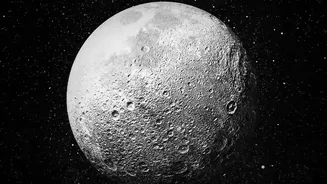
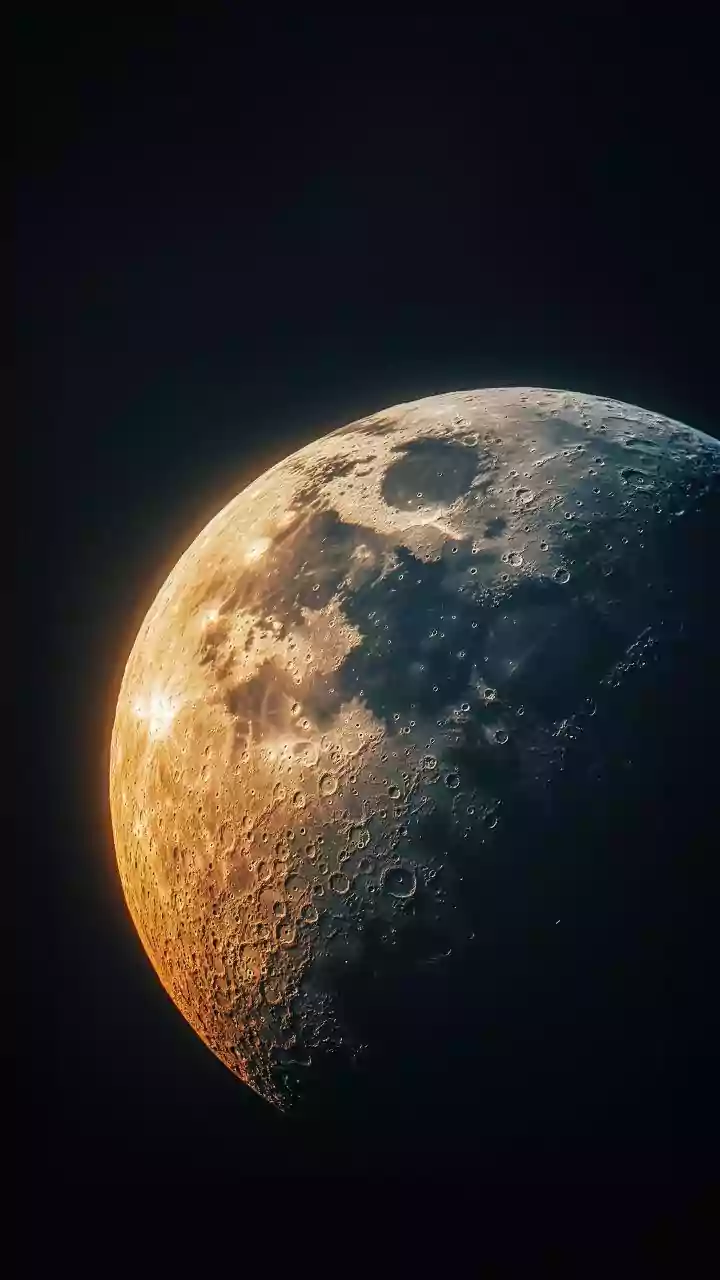
NASA's Stratospheric Observatory for Infrared Astronomy (SOFIA) confirmed the existence of water molecules even on the sunlit surface of the Moon. However, knowing water exists and knowing where to find it in useful quantities are two different challenges. The latest infrared data provides a much clearer, higher-resolution picture of where water ice is concentrated, particularly in the permanently shadowed regions (PSRs) near the Moon's South Pole. These frigid craters, which haven't seen direct sunlight in billions of years, act as cosmic cold traps, preserving ancient ice deposits.
Why These Deposits Are 'Strategic'
The term "strategic" isn't just scientific jargon; it points to the economic and logistical viability of future lunar missions. The newly mapped deposits are considered strategic for two key reasons: location and form. Located near the South Pole, these ice reserves are in the same region targeted by NASA's Artemis program for human landings. This proximity means that future astronauts won't have to travel far to access this resource. Furthermore, the data helps distinguish between different forms of water—from molecules mixed in the soil, known as regolith, to more concentrated patches of subsurface ice. Understanding this distribution is crucial for planning extraction missions. Missions can now target areas where ice is believed to be most accessible, maximizing the return for the energy spent on mining it.
The Game-Changer: In-Situ Resource Utilization
The ability to use local materials, known as In-Situ Resource Utilization (ISRU), is the key to making space exploration sustainable. Launching materials from Earth is incredibly expensive; every kilogram of water, oxygen, or fuel adds immense cost and complexity to a mission. By harvesting lunar water, space agencies and commercial partners can change the entire economic model of space travel. The water ice can be melted for drinking or growing plants. More importantly, it can be split into its core components: hydrogen and oxygen. These two elements provide breathable air for astronauts and are the primary components of powerful rocket propellant. In essence, the Moon could become a vital refueling station, allowing spacecraft to launch from Earth with less fuel and top up their tanks for missions to Mars and beyond.
Informing the Next Wave of Missions
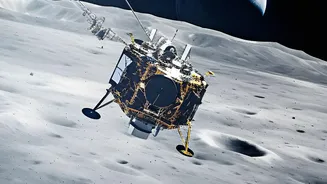
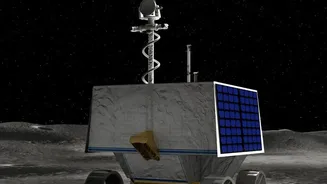
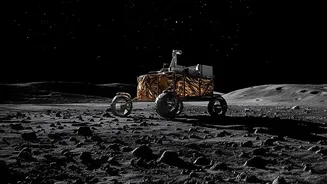
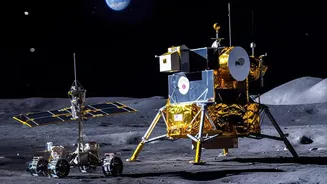
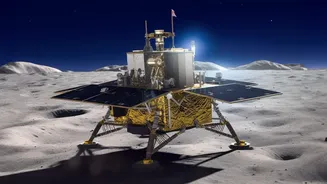
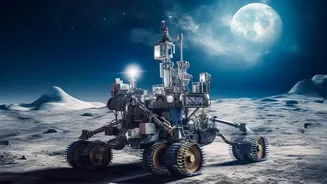
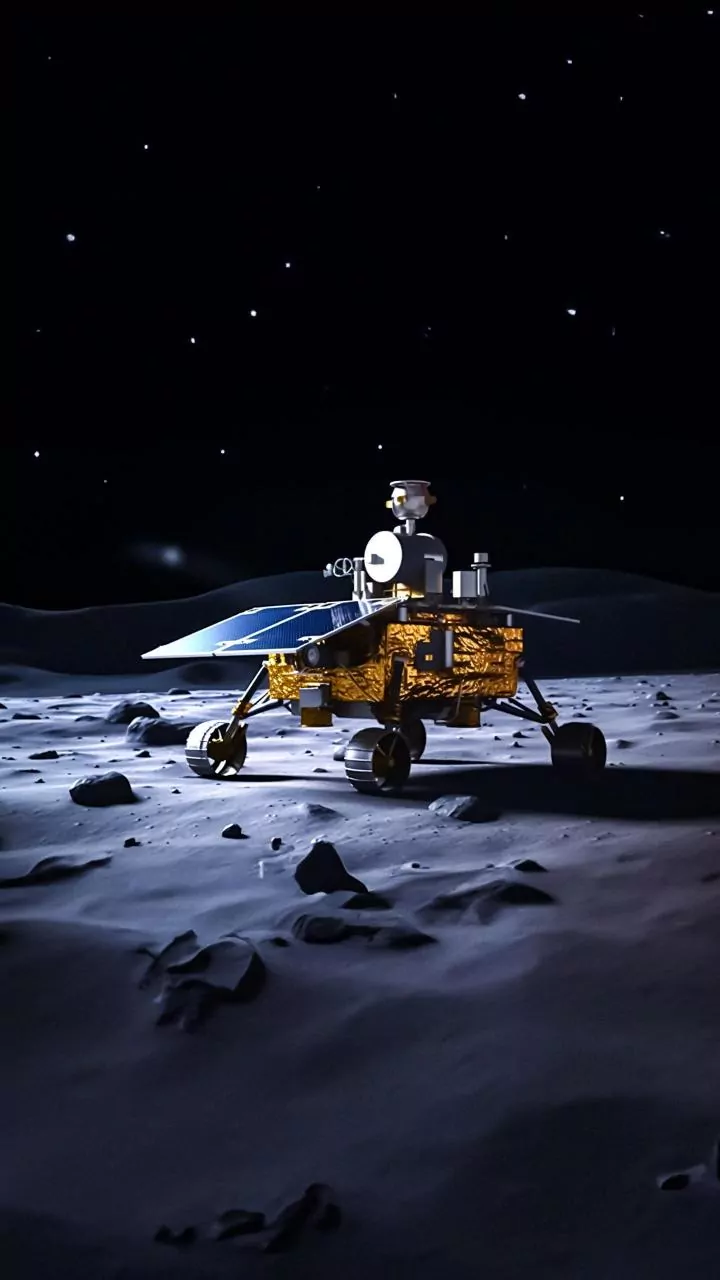
These advanced infrared maps are not just academic exercises; they serve as direct guides for upcoming robotic and human missions. The data will be critical for landers and rovers designed to prospect for resources on the ground. For instance, future missions, some in partnership with international agencies like JAXA and ISRO, will carry instruments like neutron spectrometers to confirm the presence of hydrogen-rich deposits beneath the surface. These ground-truth measurements will validate the orbital data and help create the first true resource maps of another celestial body. For the Artemis program, this information is invaluable. It will help NASA and its commercial partners select the most promising landing sites for astronauts, ensuring they are close to the resources needed to build a long-term lunar base.