




The Ephemeral Tulips of Srinagar
Srinagar's Indira Gandhi Memorial Tulip Garden is a stunning, human-made wonder at the foothills of the Zabarwan Range. It's famed as Asia's largest tulip garden, boasting over 1.5 million bulbs. The challenge? This spectacle is incredibly short-lived.
The garden is typically open from late March to mid-April, but the absolute peak bloom, when the terraced slopes are a riot of colour, usually lasts for about two weeks, often in the first half of April. The exact dates shift each year based on the weather; a warm winter can cause an early bloom. For the best experience, keep an eye on announcements from Jammu & Kashmir Tourism. Booking for the first or second week of April is often your safest bet for that perfect photo.
The Alpine Meadows of Uttarakhand's Valley of Flowers
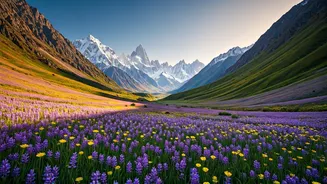
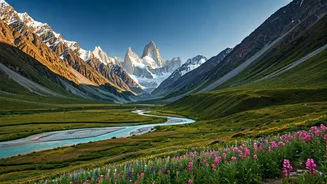
A UNESCO World Heritage Site, the Valley of Flowers in Uttarakhand is a high-altitude Himalayan valley that transforms into a natural garden after the snow melts. It's a trekker's paradise, but timing is key. The park is only open from June to October. Arrive in June, and you'll see early blooms and melting snow. For the most spectacular, dense carpet of flowers—including primulas, orchids, and poppies—the peak season is from mid-July to mid-August. This is when the monsoon rains have fully awakened the valley. The trade-off is the weather; you'll be trekking in the rain. September offers clearer skies and fewer crowds, but many flowers will have started to wilt.
The Monsoon Wonder of Maharashtra's Kaas Plateau
Also known as Kaas Pathar, this UNESCO World Natural Heritage site near Satara is a lateritic plateau that erupts into a tapestry of over 850 different flowering plant species during the monsoon. Unlike the Himalayan valleys, this bloom is entirely dependent on the seasonal rains. The best time to visit is from late August to early October. The peak flowering often occurs in September, when the entire plateau is covered in a vibrant wash of pinks, purples, and yellows. Since the bloom is so dependent on the monsoon's intensity and timing, it's wise to check local conditions before planning your trip. To protect the fragile ecosystem, the number of daily visitors is restricted, so online booking in advance is mandatory.
The Rare Lilies of Dzukou Valley
On the border of Nagaland and Manipur, Dzukou Valley offers a different kind of floral magic. Its rolling green hills are famous for the rare and beautiful Dzukou Lily, which is endemic to this region. The main flowering season runs from June to September, coinciding with the monsoon. If you specifically want to see the Dzukou Lily, the ideal window is even narrower: late June and July. Trekking here during the monsoon means being prepared for rain and slippery trails, but you'll be rewarded with a lush, vibrant landscape that few get to witness. Outside of the monsoon, from October onwards, the valley offers clearer skies and a different, more golden-hued beauty.
The Once-in-a-Dozen-Years Neelakurinji Bloom
This is the ultimate test of timing and patience. The Neelakurinji is a shrub that carpets the hills of the Western Ghats, especially around Munnar in Kerala, in a spectacular purplish-blue, but it only blooms once every 12 years. The name 'Nilgiri' (Blue Mountains) is even said to come from these flowers. The last major bloom was in 2018, which means the next grand spectacle is anticipated in 2030. When it does happen, the bloom typically occurs between August and October. This rare event draws enormous crowds, so if you're planning for 2030, booking your travel and accommodation well in advance will be absolutely essential.