


Beyond Jowar, Bajra, and Ragi
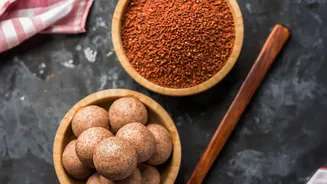
Walk down the grain aisle of any major grocery store, and you'll likely see a familiar lineup of millets: Jowar (Sorghum), Bajra (Pearl Millet), and Ragi (Finger Millet). These 'major millets' are fantastic, nutritious staples that have been part of Indian
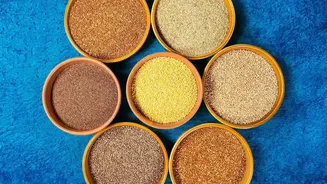
diets for centuries. However, they represent only a fraction of India's incredible millet diversity. The mainstream food system prioritises crops that can be grown and distributed at a massive scale, which means dozens of other traditional millet varieties—often called 'minor millets'—rarely make it to city shelves. These grains are not 'minor' in their nutritional value but in the area of their cultivation and their presence in large commercial markets.
Meet the 'Forgotten' Millets
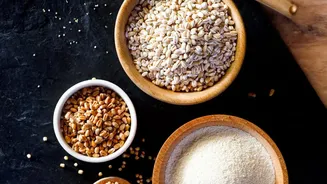
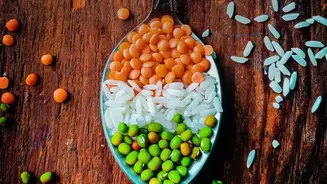
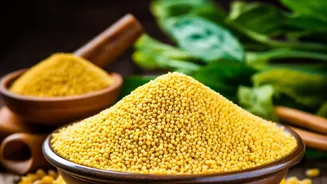
There's a whole world of small but mighty millets waiting to be discovered, each with a unique flavour profile and set of health benefits. Take Kodo Millet (Varagu), a highly digestible grain rich in fibre and antioxidants. Then there's Browntop Millet (Korale), an iron-rich grain that helps in detoxifying the body and is great for gut health. Others in this family include the versatile Little Millet (Kutki), the protein-packed Proso Millet (Chena), and the fibre-rich Barnyard Millet (Sanwa). These are often referred to as 'positive millets' in traditional practices because they are light on the stomach and considered suitable for daily consumption. They are powerhouses of nutrients like magnesium, iron, and B-vitamins, and many have a low glycemic index, making them excellent for managing blood sugar.
The Local Market Advantage
So, where do you find these hidden gems? The answer lies in shifting your shopping habits from large, centralised supermarkets to local ecosystems. Farmers' markets, local 'kirana' stores, and direct-from-farm suppliers are your best bet. Local farmers and small-scale vendors often cultivate traditional crops that have been passed down through generations. These crops are grown to suit local climatic conditions and tastes, not the demands of a national supply chain. When you buy locally, you're not just purchasing a product; you're tapping into a regional food system. The vendor can tell you the local name for the millet—like 'Kangni' for Foxtail or 'Samai' for Little Millet—how to cook it, and what it tastes like. This direct connection and knowledge transfer is something you'll rarely find in a pre-packaged supermarket environment.
A Boost for Biodiversity and Farmers
Choosing to buy lesser-known millets from local sources has an impact that goes far beyond your kitchen. You are actively participating in the preservation of agricultural biodiversity. Over-reliance on a few staple crops like rice and wheat makes our food system vulnerable. Millets, on the other hand, are climate-resilient superfoods. They are drought-resistant, require significantly less water than rice, and can grow in poor soil with fewer pesticides. By creating demand for these heirloom varieties, you provide a crucial incentive for farmers to continue growing them. This diversifies their income, makes their farms more sustainable, and strengthens local economies. It's a powerful vote for a food system that is healthier for both people and the planet.
How to Start Your Millet Journey
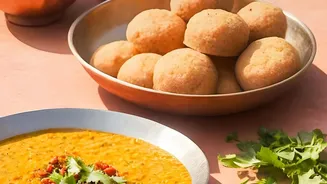
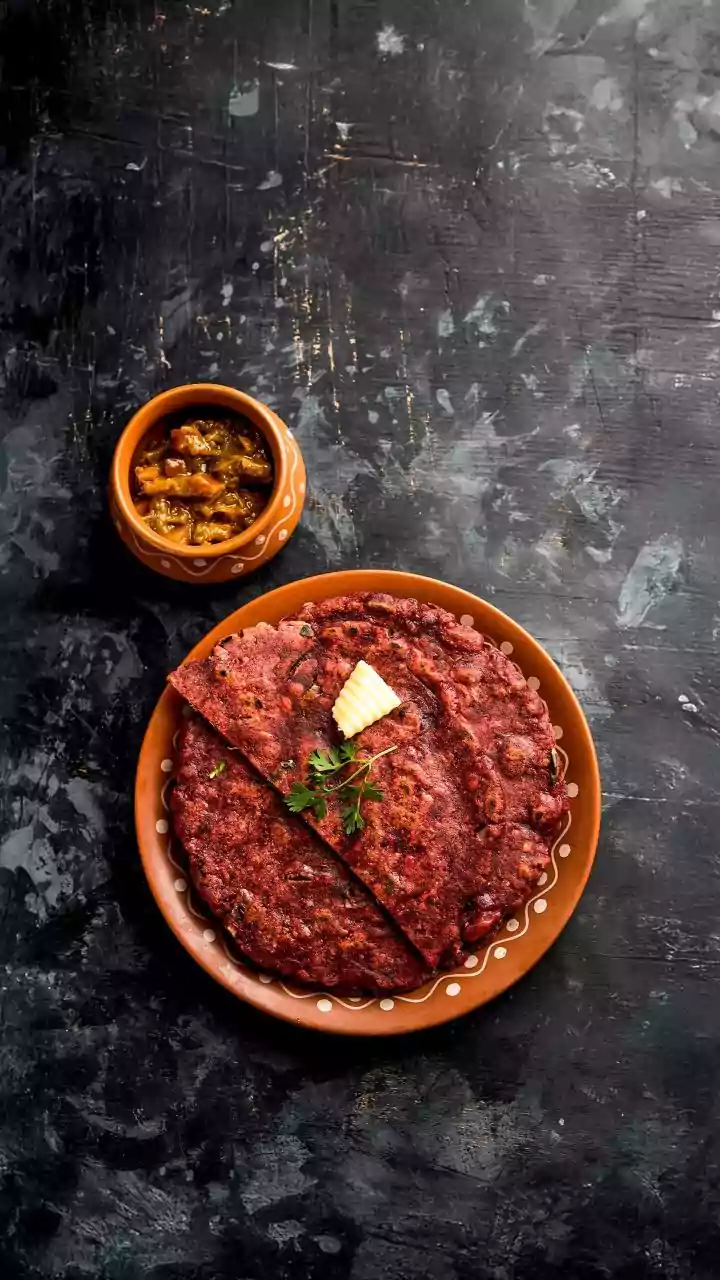
Ready to explore? Start small. The next time you visit a farmers' market or a local grain store, ask the vendor if they have any millets other than the usual Ragi or Bajra. Be curious and don't hesitate to ask questions. Many sellers will be happy to share their knowledge. Begin by swapping out rice with a minor millet in one meal a week; they cook similarly and can be used in dishes like upma, khichdi, or even as a simple steamed side. Little Millet and Kodo Millet are great starting points as they have a mild flavour. Embracing these grains is not about a complete diet overhaul. It's about slowly integrating variety, flavour, and a wealth of nutrients onto your plate, one local discovery at a time.