





The Ancient Superfruit
Known in Sanskrit as 'Amlaki', meaning 'nectar of life', amla is a small, translucent green fruit with a unique sour and astringent taste. It holds a revered place in Ayurveda, where it is considered a 'Rasayana' or a rejuvenating herb used to promote
longevity and balance all three doshas (Vata, Pitta, and Kapha). This is not just ancient wisdom; modern science confirms its powerful nutritional profile. Amla is packed with antioxidants, polyphenols, iron, calcium, and other essential minerals that make it a cornerstone of winter wellness.
An Unmatched Immunity Booster
Winter often brings a higher risk of colds, coughs, and flu. This is where amla truly shines. It is one of the most potent natural sources of Vitamin C, containing significantly more of this vital nutrient than an orange. This high concentration of Vitamin C helps stimulate the production of white blood cells, which are the body's primary defence against infections. Regular consumption during the colder months can help fortify your immune system, making you more resilient to seasonal illnesses.
Benefits Beyond the Common Cold
Amla's advantages extend far beyond just fighting off sniffles. Its rich antioxidant content helps combat free radicals, reducing oxidative stress that can lead to chronic diseases and signs of ageing. It is a proven tonic for hair, with essential fatty acids that strengthen follicles, slow down greying, and prevent dandruff. For skin, amla helps promote collagen production, which is essential for maintaining skin elasticity and a healthy glow, even during the dry winter months. Furthermore, its high fibre content aids digestion, helping to prevent common issues like constipation and bloating that can arise from heavier winter diets.
How to Enjoy Amla This Winter
The sharp, sour taste of raw amla can be intense for some, but there are many delicious and easy ways to incorporate it into your diet. One of the simplest methods is to drink fresh amla juice, often diluted with water and a bit of honey, first thing in the morning. You can also grate it into salads, make a tangy chutney with spices, or pickle it to enjoy with meals. For a traditional approach, amla murabba (a sweet preserve) is a popular choice, though it is high in sugar. Amla powder is another convenient option that can be mixed into smoothies or warm water.
A Word on Moderation
While amla is incredibly beneficial, it's best consumed in moderation. Due to its high acidity and Vitamin C content, excessive intake, especially on an empty stomach, can sometimes lead to digestive discomfort or heartburn for sensitive individuals. Its diuretic properties mean you should also ensure you drink plenty of water to stay hydrated. One or two fresh amlas or a small glass of diluted juice per day is generally considered a safe and effective amount for most people.
Other Stars of the Season
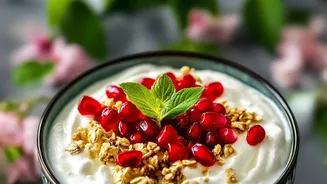
While amla takes the spotlight, India's winter fruit basket is full of other nutritious choices. Guavas are another Vitamin C powerhouse, excellent for immunity and digestive health. Oranges and other citrus fruits are classic winter staples, packed with antioxidants. Pomegranates, with their jewel-like seeds, are rich in iron and support heart health. Creamy custard apples (sitaphal) and sweet sapotas (chikoo) also make their appearance, offering fibre, energy, and a host of vitamins.