




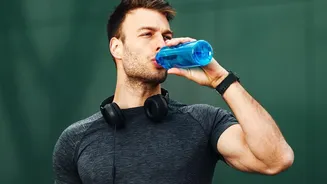
More Than Just Thirst
When you train in the heat, you face two distinct but related challenges: dehydration (the loss of water) and electrolyte depletion (the loss of essential minerals through sweat). Simply drinking large amounts of plain water isn't always the answer. While
it addresses fluid loss, it can dilute the concentration of key electrolytes like sodium, potassium, and magnesium in your system. These minerals are vital for nerve function, muscle contractions, and maintaining fluid balance. Losing them can lead to muscle cramps, fatigue, and a drop in performance. Therefore, an effective strategy must address both water and electrolytes. For workouts lasting over an hour, especially in the heat, replacing lost electrolytes becomes crucial.
The Pre-Hydration Foundation
Your performance on a hot day is determined long before you step out the door. Proper hydration starts in the 24 hours leading up to a long run or ride. Aim to sip fluids consistently throughout the day, rather than chugging a large amount right before you start. A good indicator of your hydration status is urine color; it should be a pale yellow or clear. Many experts suggest drinking around 500 to 700 ml (about 16 to 24 ounces) of water or an electrolyte drink in the two to three hours before your session. This ensures your body's fluid and mineral stores are topped off, giving you a strong foundation to build upon during your workout. Think of it as filling the tank before a long journey.
Sipping and Fueling in Motion
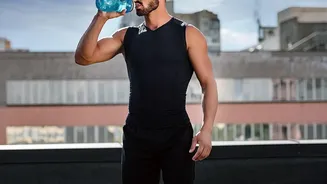
During your workout, the goal is to drink early and often, rather than waiting until you feel thirsty. By the time thirst kicks in, you're already on your way to being dehydrated. A common guideline for efforts lasting longer than an hour is to consume 200 to 240 ml (about 7 to 8 ounces) of fluid every 15 to 20 minutes. For these longer sessions, water alone is often not enough. A sports drink containing carbohydrates and electrolytes can help you maintain energy levels and replace what you lose through sweat. Key electrolytes to look for are sodium and potassium. Sodium is the most abundant mineral lost in sweat and helps your body retain fluid, while potassium supports muscle function. Gels, chews, and electrolyte tablets are other convenient options to carry with you.
Recovery and Rebalancing
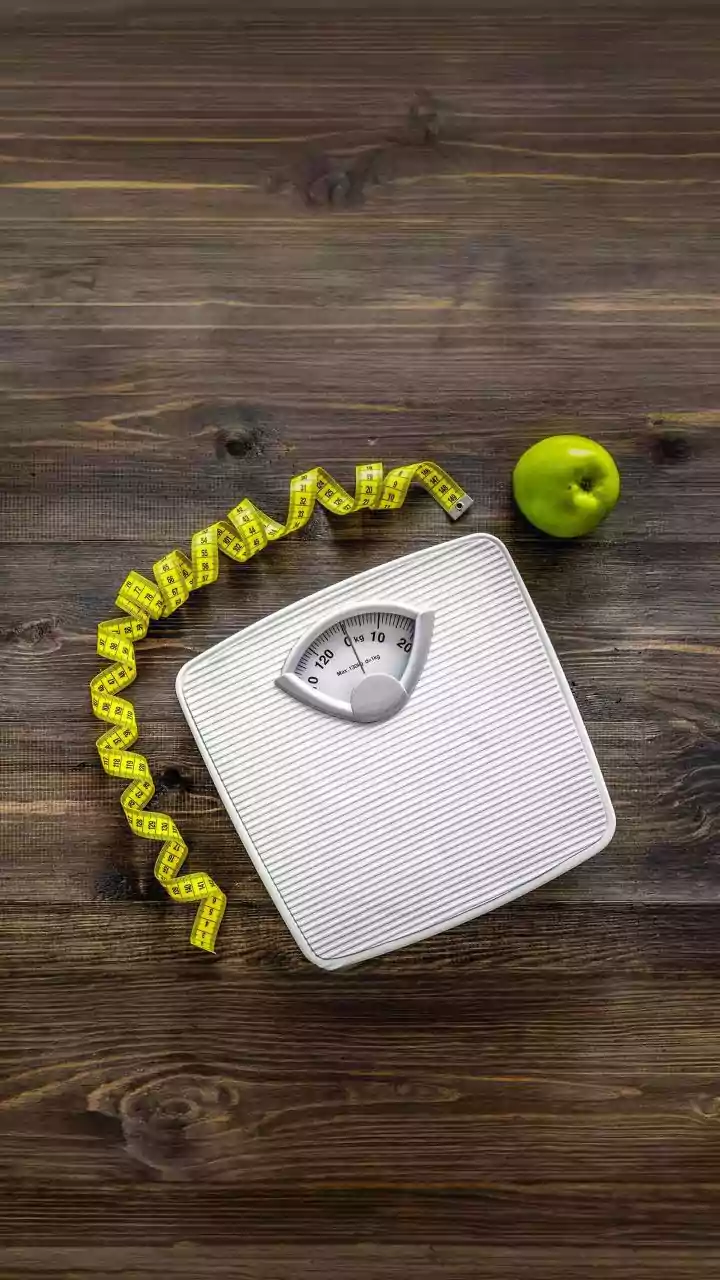
What you do after your workout is just as important for recovery and preparing for your next session. The goal is to replenish the fluids and electrolytes lost. A practical way to gauge your fluid loss is to weigh yourself before and after your workout. For every pound of body weight lost, aim to drink approximately 500 to 700 ml (16 to 24 ounces) of fluid. Sipping this fluid over time is more effective for retention than drinking a large volume all at once. Your post-workout recovery drink should contain electrolytes to help re-establish balance. Combining this with a meal that includes carbohydrates and protein within an hour of finishing will also replenish your energy stores and aid muscle repair.
Listen to Your Body's Warning Signs
It's vital to recognize the difference between simple dehydration and a more dangerous condition called hyponatremia. Dehydration often presents with thirst, dark urine, dizziness, and fatigue. Hyponatremia, on the other hand, is caused by drinking too much fluid without adequate sodium replacement, leading to dangerously low blood sodium levels. Its early symptoms can be similar to dehydration, including nausea, confusion, headache, and muscle weakness, but notably without the intense thirst. If you experience signs like confusion, disorientation, or vomiting, it's crucial to stop exercising and seek medical attention. Learning your personal sweat rate and how your body responds in the heat is key to creating a personalized and safe hydration plan.