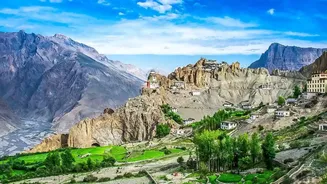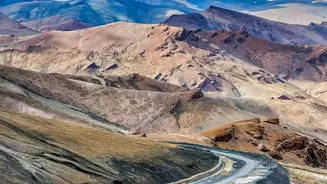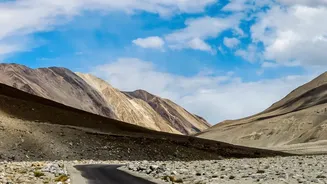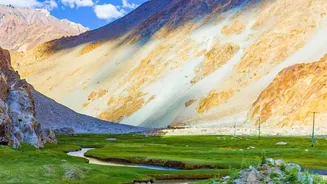





The Golden Rule: Acclimatise First
The single most important reason for buffer time has nothing to do with roads or weather, but with your own body. Flying into Leh means landing at an altitude of over 3,500 metres. Your body needs time to adjust to the lower oxygen levels, a process called
acclimatisation. Rushing this is the primary cause of Acute Mountain Sickness (AMS), which can bring symptoms like headaches, nausea, and dizziness, potentially ruining your trip. The official Leh District Administration mandates a 48-hour acclimatisation period for all tourists arriving by air. This means your first two days should involve minimal activity. Rest completely on day one, and on day two, perhaps a gentle walk through Leh market is okay. These initial buffer days are non-negotiable for your health and safety.
When Nature Rewrites Your Itinerary
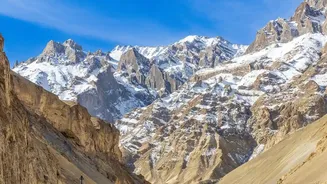
Late summer, from August to September, is a transitional period in the Himalayas. While Ladakh itself is in a rain shadow and receives minimal rainfall, the approach highways from Manali and Srinagar are not so lucky. These routes pass through regions experiencing the tail-end of the monsoon, making them prone to disruptions. Even though major passes like Khardung La and Chang La are open, unexpected weather changes can occur. A sudden downpour can trigger landslides, and early snowfall at high altitudes is not unheard of. In recent years, flash floods have also caused temporary closures on key routes like the Manali-Leh highway. These events are unpredictable and can halt travel for hours or even a full day. A flight into Leh can bypass these highway issues, but weather can still affect local travel to Nubra Valley or Pangong Tso.
The Reality of Road Closures
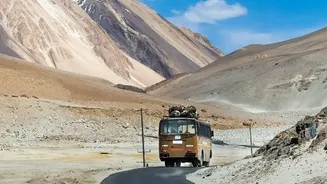
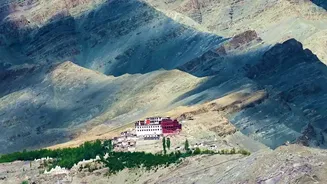
A road closure in the mountains isn't like a city traffic jam. There are no alternative routes. If a landslide blocks the road to Nubra Valley, you have no choice but to wait until the Border Roads Organisation (BRO) clears it. This is where buffer days become a trip-saver. Without them, a single day's delay can have a domino effect, forcing you to cancel hotel bookings and forfeit permits for your onward journey. It's wise to build at least two flexible days into your plan. These aren't 'wasted' days; they are your insurance against the inherent unpredictability of the region. If your journey goes smoothly, you can use this extra time to explore a local monastery you would have otherwise missed or simply relax in a café in Leh.
Building a Smarter, Flexible Itinerary
So how do you incorporate buffer time effectively? Don't just tack it on at the end. Instead, build it into the core of your schedule. After your initial two acclimatisation days in Leh, plan your excursions with an extra day in each major location, like Nubra Valley. For a typical 7- to 9-day trip, adding two buffer days is a safe bet. This prevents you from rushing. Instead of a frantic 'checkbox tourism' approach, you can travel at a more relaxed pace. For instance, if you plan two nights in Nubra, a road closure on your travel day won't force you to turn back immediately. You'll still have the next day to enjoy the famous sand dunes and monasteries. This flexibility transforms potential travel stress into a minor inconvenience.
The Joy of Unscheduled Moments
Ultimately, buffer days are about more than just mitigating risk. They are an invitation to embrace the spirit of mountain travel. The most memorable moments of a Ladakh trip often happen in the pauses—the unscheduled stop at a viewpoint, a spontaneous chat with a monk, or an extra hour spent watching the colours change over Pangong Lake. A rigid, back-to-back itinerary robs you of these opportunities. By giving yourself breathing room, you allow for discovery. You can spend an extra day exploring the villages around Leh, visit a lesser-known monastery, or simply sit and absorb the profound silence of the landscape. These are the moments that truly define the Ladakhi experience, turning a simple holiday into a genuine adventure.