




The Lifeline Under Pressure
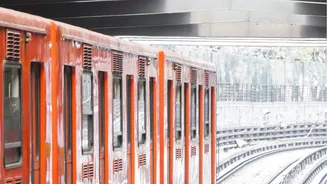
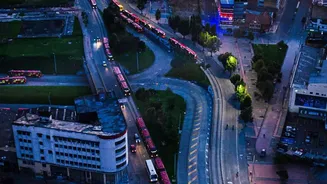
To call Mumbai’s suburban railway system the city’s lifeline is an understatement. With over 3,200 services carrying millions of passengers every single day, it is the dense, beating heart of the metropolis. But it is also a system under immense, constant
pressure. Overcrowding is legendary, delays are frequent, and the network struggles to keep pace with the city’s relentless growth. For decades, a fundamental bottleneck has choked the system: passenger trains and long-distance goods trains have been forced to share the same tracks, creating a logistical traffic jam that ripples across the entire network.
A Superhighway for Goods
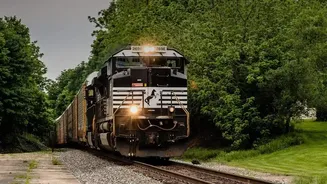
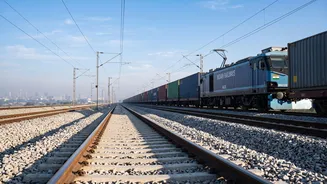
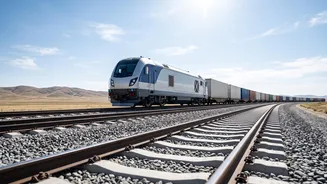
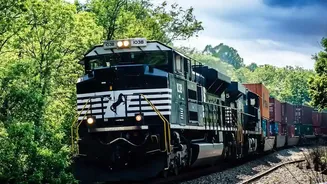
Enter the Dedicated Freight Corridor (DFC). After nearly two decades of construction, the Western Dedicated Freight Corridor (WDFC) was declared fully operational on September 8, 2026. This 1,506-kilometre, double-line electrified track is a game-changer, acting as a superhighway for goods trains running from the Jawaharlal Nehru Port (JNPT) in Mumbai all the way to Dadri, near Delhi. Designed exclusively for freight, it allows for faster, heavier, and double-stacked container trains to run at speeds up to 100 km/h, unimpeded by passenger services.
The Great Separation
The core benefit for Mumbai's commuters lies in a simple act of separation. By migrating the heavy, slow-moving goods trains from the existing passenger lines onto their own dedicated corridor, the WDFC frees up an enormous amount of track capacity. Every freight train that moves to the DFC is one less train clogging the conventional lines that local and express passenger trains use. This decongestion is the key that unlocks the potential for more services, better punctuality, and a less strained network. Officials have long stated that easing congestion on Mumbai's railway network is a primary benefit of the project.
More Services, Better Journeys
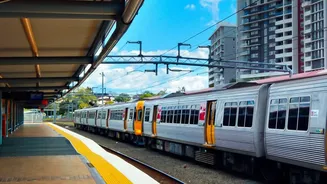
So, what does this mean for the average person waiting on a platform at Borivali or Thane? The direct consequence of this new capacity is the ability to run more local trains. Indian Railways has a comprehensive plan to upgrade Mumbai's infrastructure, and the DFC is a critical enabler of this vision. Railway Minister Ashwini Vaishnaw has announced a target to increase the number of daily suburban services in Mumbai from the current 3,200 to approximately 3,500 by 2030. This path is also cleared for introducing more of the much-needed air-conditioned local trains, with plans for 238 new rakes to be rolled out. These additions, which were difficult to schedule on congested tracks, are now becoming a tangible reality.
The Road Ahead for Mumbai's Rails
The completion of the WDFC is not a magic wand, but it is the single most significant infrastructure development for enabling future growth of Mumbai's passenger rail services. While the full impact will be felt gradually, the project marks a turning point. It allows railway planners to finally shift from managing chronic congestion to planning for expansion. The separation of freight and passenger traffic improves the efficiency of both, driving down logistics costs for the country and, crucially, creating breathing room for the millions of people who depend on the local trains every day. The journey to a less crowded commute is long, but the biggest roadblock has now been cleared.