






When it comes to fitness, what you eat is just as crucial as when you eat it. Strategically timing your meals can significantly impact your energy, performance, and recovery. Let's explore how to get your training nutrition right.
Why Meal Timing Matters
Thinking about your food
intake in relation to your workouts isn't just for professional athletes; it's a game-changer for anyone looking to get the most out of their physical activity. Proper meal timing helps ensure your body has the energy it needs to perform, prevents muscle breakdown, and kickstarts the recovery process. Carbohydrates are your body's preferred fuel for exercise, while protein is essential for repairing and building muscle. Consuming these nutrients at the right time maximises their benefits, helping you train harder, recover faster, and see better results. The goal is to go into a workout feeling energised, not sluggish or hungry, and to provide your body with the necessary building blocks for repair afterwards.
Fuelling Up: The Pre-Workout Meal
The pre-workout meal is all about providing sustained energy to power you through your session. The ideal timing and composition of this meal depend on your schedule and digestion. If you have 2-3 hours before your workout, a balanced meal containing complex carbohydrates, a moderate amount of protein, and some healthy fats is ideal. This gives your body ample time to digest. If you're eating closer to your workout, around 45-60 minutes before, opt for a smaller, easily digestible snack that is rich in carbohydrates and has a little protein. This could be a banana or a small bowl of oatmeal. It is best to avoid high-fat or high-fibre foods too close to your workout, as they can slow digestion and cause discomfort.
Repair and Rebuild: The Post-Workout Meal
After you exercise, your body is primed for recovery. The post-workout meal's primary jobs are to replenish your depleted energy stores (glycogen) and provide protein to repair muscle tissues that were broken down during training. While the concept of a strict 30-minute 'anabolic window' has been debated, it's generally recommended to eat within a couple of hours of finishing your workout to optimise recovery. A meal with a combination of carbohydrates and protein is considered most effective. Experts often suggest a target of around 20-40 grams of protein to maximally stimulate muscle repair.
The Case for Oats Khichdi
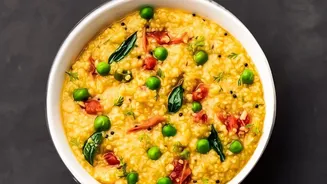
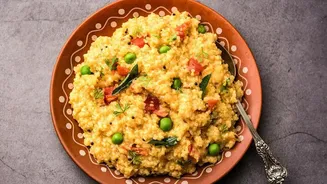
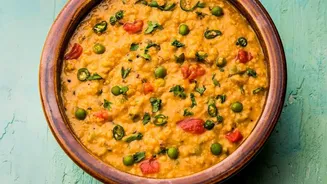
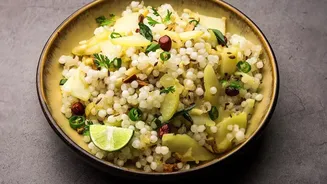
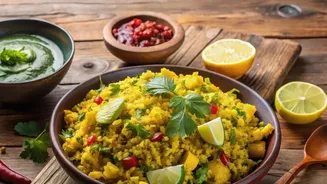
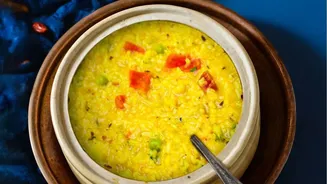
Enter oats khichdi, a savoury, comforting, and nutritionally powerful meal that fits perfectly into a training diet. This one pot dish combines the goodness of oats, lentils (dal), vegetables, and gentle spices. Oats provide complex carbohydrates, which release energy slowly and steadily, along with soluble fibre like beta glucan, known for promoting fullness and supporting heart health. The lentils add a significant amount of plant based protein and additional fibre. Together, they create a balanced meal that is easy to digest, making it an excellent choice for active individuals.
Oats Khichdi for Pre Workout Energy
As a pre workout meal, oats khichdi shines. Consumed 2–3 hours before exercise, it provides the sustained energy needed for endurance and strength. The complex carbohydrates from the oats ensure your energy levels remain stable, preventing a mid workout slump. The combination of oats and lentils offers a complete protein profile, which can help preserve muscle mass during exercise. Because it’s a soft, cooked meal, it’s generally gentle on the stomach, reducing the risk of the digestive distress that can sometimes occur when you eat too close to a workout. Its nutrient profile, including iron and B vitamins, further supports energy production.
Oats Khichdi for Post Workout Recovery
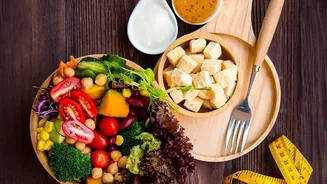
Oats khichdi is just as effective for post workout recovery. The blend of carbohydrates and protein helps replenish glycogen stores and initiate muscle repair. The protein from the lentils (dal) provides the essential amino acids needed for rebuilding tired muscles. To boost the protein content further, you can increase the ratio of dal to oats or serve it with a side of paneer or a bowl of yoghurt. Adding plenty of vegetables to the khichdi not only enhances its flavour but also adds vitamins, minerals, and antioxidants that help reduce inflammation and support overall recovery.