
Venus: The Evening Star's Peak Performance
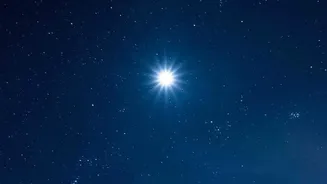
All eyes will be on Venus this month as it puts on a dazzling display. The planet will reach its greatest brilliancy for 2026 around September 18-22, shining at an incredible magnitude of -4.8. To put that in perspective, it will be the brightest object
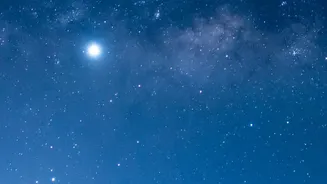
in the night sky aside from the Moon. You won't need any special equipment to see it; simply look to the western sky shortly after sunset. Venus will appear as a brilliant, steady light. Throughout September, the planet will appear lower on the horizon each evening, so earlier in the month is better for extended viewing. For a special treat, look for the crescent Moon cozying up to Venus on the evening of September 14, creating a beautiful pairing.
Simple Tips for a Superb View
You don't need to be an astronomer with a high-powered telescope to enjoy September's sky. To see Venus, simply find a spot with a clear view of the western horizon, away from the direct glare of streetlights. Give your eyes about 15-20 minutes to adjust to the darkness; this will help you see more stars and appreciate the planet's full brilliance. While Venus is easily visible to the naked eye, a simple pair of binoculars can enhance the view. A fascinating fact is that even though Venus will be at its brightest, through a telescope it would appear as a slender crescent, not a full disk. This is because its brightness is a combination of its proximity to Earth and the amount of its sunlit surface we can see.
The Full Harvest Moon
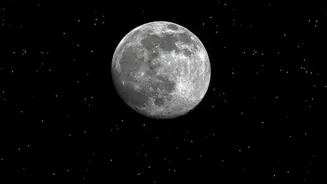
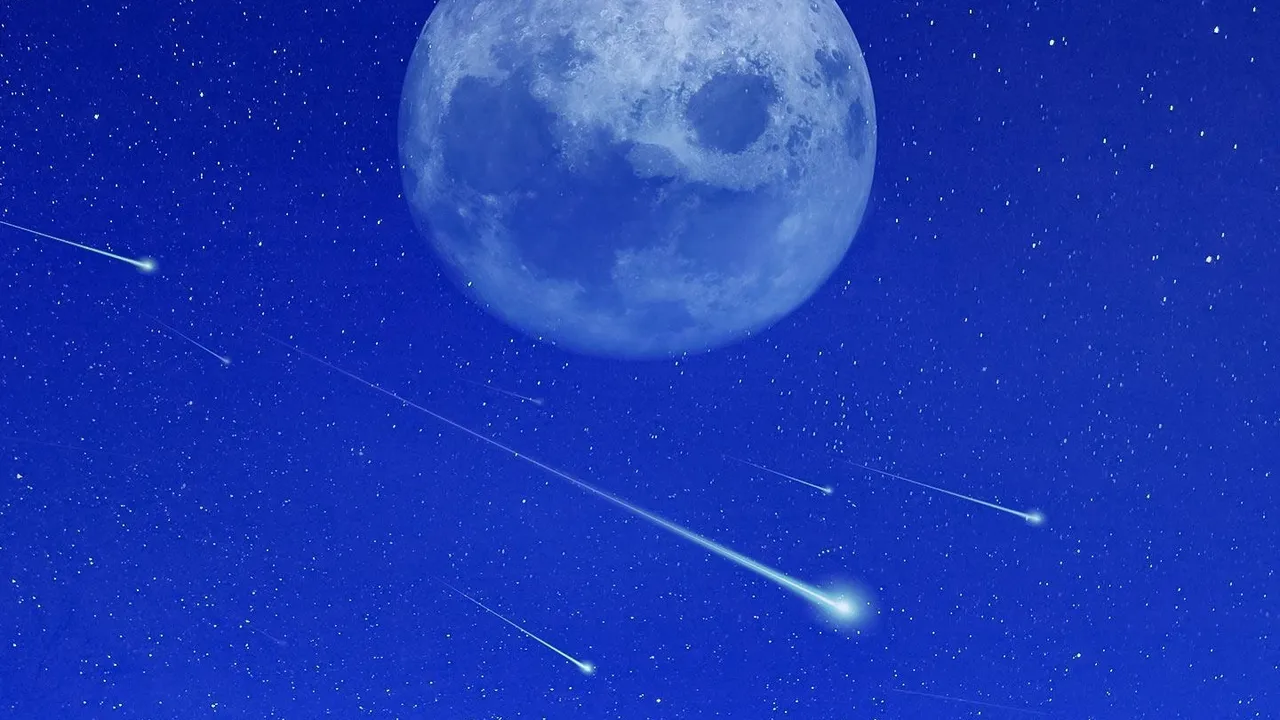
September also brings us one of the most famous full moons of the year: the Harvest Moon. This year, the full Harvest Moon will rise on the evening of Saturday, September 26. It earns its name by being the full moon that falls closest to the autumnal equinox (which occurs on September 22). Historically, the bright light from this full moon, rising near sunset for several evenings in a row, gave farmers extra hours to bring in their crops. Look for the Moon to rise in the east around sunset, and you may notice it has a golden or reddish hue when it's low on the horizon. This is due to its light passing through more of Earth's atmosphere. As a bonus, the bright, yellowish-white planet Saturn will be shining nearby.
A Parade of Planets
Venus may be the headliner, but it’s not the only planet gracing our skies. September is a fantastic month for planet-spotting, with all five naked-eye planets visible at some point. While Venus and Saturn command the evening, early risers can catch a different show. Look to the pre-dawn eastern sky for the brilliant, white Jupiter and the reddish tint of Mars. On the morning of September 8, the crescent Moon will have a stunningly close encounter with Jupiter. Saturn is visible for much of the night, rising in the east shortly after sunset. Mercury will be tricky to spot, making a brief and very low appearance in the western twilight at the end of the month for observers with clear horizons.
A Sprinkle of Shooting Stars
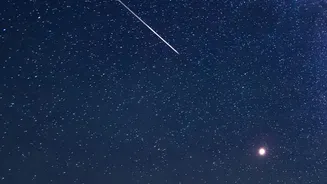
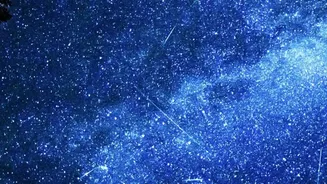
For those with extra patience, September offers a minor meteor shower, the September Epsilon Perseids. Active from September 5 to 21, this shower is predicted to peak on the night of September 9. With the New Moon occurring around the same time, the sky will be dark and ideal for viewing. Don't expect the fireworks of the more famous August Perseids; the Epsilon Perseids produce a much more modest rate of about five to eight meteors per hour. The meteors are known to be fast and bright. For your best chance, find a dark location away from city lights, lie back, and look toward the constellation Perseus in the northeast.