




The Freedom of a Framework
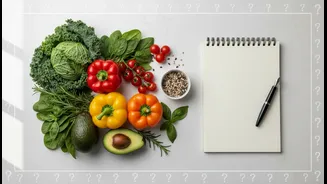
Forget rigid, day-by-day meal plans that fall apart the minute your schedule changes. A flexible meal template is different. It’s a framework, not a set of rules. Instead of planning 'dal makhani for Monday,' you plan a 'dal night'. This small change gives
you the freedom to choose between masoor, chana, or rajma based on what you feel like and what you have on hand. The goal is to create categories for meals—like 'One-Pot Rice Dish,' 'Stir-Fry,' or 'Paneer Special'—and then list a few options for each. This provides structure without being restrictive, which is the key to a system that you'll actually stick with. It’s about having a plan that can bend without breaking.
Tackling Waste and Takeaway Bills
The two biggest benefits of this approach are tackling food waste and curbing impulse spending on takeaways. Households are the single biggest source of food waste. In India, this amounts to millions of tonnes of food discarded annually, with an average household wasting around 55 kg of food each year. A major reason for this is over-purchasing and poor meal planning. When you have a template, you shop with purpose for ingredients that fit into your categories, reducing the chance of buying produce that withers in the crisper. At the same time, you combat decision fatigue. When you know 'Tuesday is Stir-Fry Night,' you’re far less likely to open a food delivery app, which can be three times more expensive than cooking at home. That single home-cooked meal saves money and packaging waste.
How to Build Your First Template
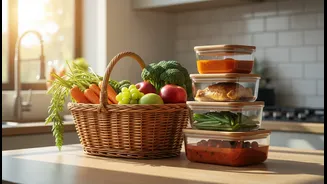
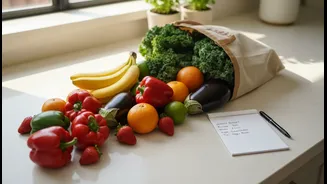
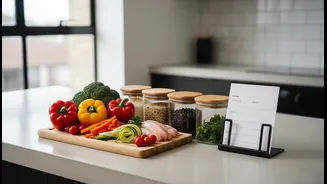
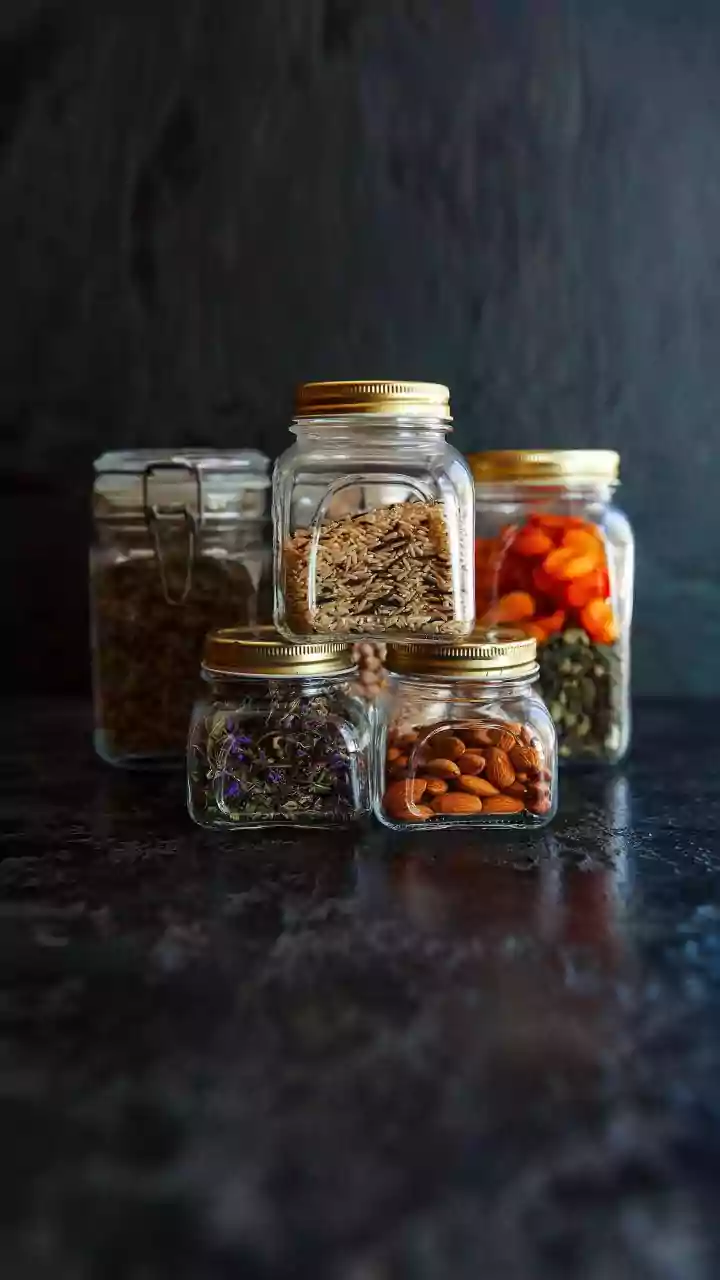
Getting started is simpler than it sounds. First, take an inventory of your pantry, fridge, and freezer to see what you already have. This prevents buying duplicates and helps you use up what needs to be eaten. Next, create three to five thematic categories for your dinners. Examples could be 'Dal Night,' 'Sabzi and Roti,' 'Egg Dish,' 'South Indian,' or 'Freestyle Curry.' Within each theme, list two or three specific dishes you enjoy and know how to make. For instance, under 'Sabzi and Roti,' you might list 'Aloo Gobi,' 'Bhindi Masala,' and 'Palak Paneer.' Your template is now a mix-and-match menu that provides variety. Finally, create your grocery list based on the core ingredients needed for these categories, ensuring you have the staples on hand.
Putting the Template into Practice
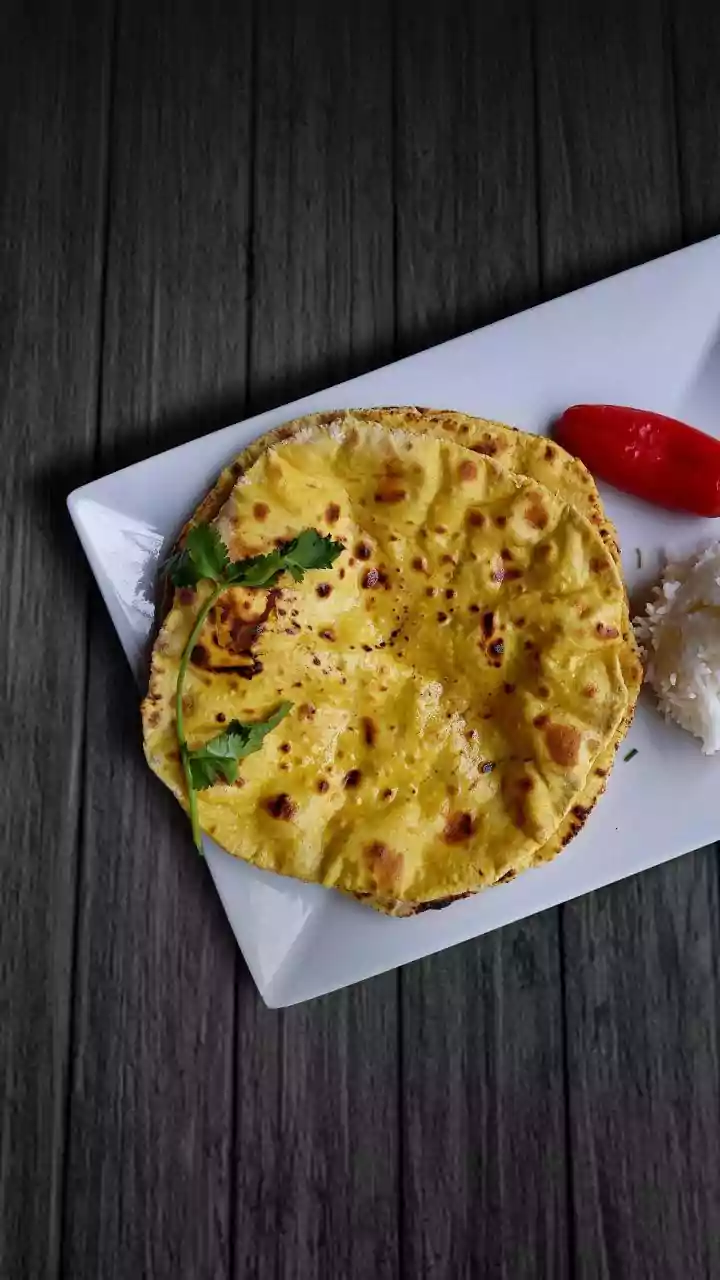
Here’s what a week could look like. You've created your template with themes like 'Pasta Night,' 'Dal Night,' and 'Pulao Night.' On Sunday, you shop for basics: one or two types of dal, some seasonal vegetables, paneer, rice, and maybe some chicken. On Monday, you feel like dal, so you make a simple tadka dal with rice. You have leftover rice. On Tuesday, you use that leftover rice to make a quick vegetable fried rice, fitting your 'One-Pot Rice' theme. Wednesday is busy, so you opt for a quick paneer bhurji with roti. The key is that you are making choices within your pre-defined framework, using what you have and adapting to your daily energy levels and cravings. This approach makes cooking feel more intuitive and less like a chore.
Life Happens, Your Plan Adapts
The real beauty of a flexible template is its adaptability. A rigid plan shatters when a friend calls for a spontaneous dinner out. With a template, you simply shift. The ingredients you planned for Tuesday can be used on Thursday instead. Did you buy fresh coriander for a specific dish but didn't use it? It can be repurposed into a chutney or used as a garnish for another meal later in the week. This 'use-it-up' mentality is built into the system. By planning for categories instead of specific meals, you give yourself permission to be flexible, which ultimately leads to less food waste and more consistent home cooking. You are in control of the food, not the other way around.