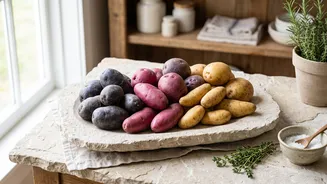







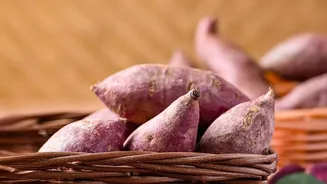


The humble potato, a staple in countless Indian kitchens, is getting a vibrant makeover. Researchers are developing purple and red varieties that are not just visually striking, but are packed with nutrients to tackle major health challenges.
More Than Just a Pretty Colour
Beneath their
colourful skins, these new potato varieties hold a wealth of health benefits. The purple, blue, and red hues come from natural pigments called anthocyanins. These are powerful antioxidants, the same type of compounds found in berries like jamun and blueberries. Antioxidants help protect the body's cells from damage caused by free radicals, which are linked to ageing and chronic diseases. While a standard potato is a good source of energy, potassium, and vitamin C, these coloured versions add a significant antioxidant punch, transforming a simple staple into a functional food.
A Smart Solution for 'Hidden Hunger'
A key motivation behind this research is to fight 'hidden hunger', a term for micronutrient deficiencies. A person can consume enough calories to feel full but still lack essential vitamins and minerals like iron and zinc, leading to serious health issues. This is a significant public health challenge in India. Scientists are using a process called biofortification, which involves breeding crops to increase their nutritional value. Unlike adding nutrients during processing, biofortification makes the crop itself naturally richer in these vital compounds. By enhancing a widely consumed food like the potato, researchers hope to deliver better nutrition to a large part of the population in a sustainable way.
Meet the New Generation of Spuds
Leading this agricultural innovation is the ICAR-Central Potato Research Institute (CPRI) in Shimla. Their work has resulted in several new varieties. 'Kufri Neelkanth', for example, has a striking dark purple skin with cream-coloured flesh and is rich in antioxidants. Another variety, 'Kufri Manik', features red skin and is enhanced with higher levels of iron and zinc. The most recent breakthrough is 'Kufri Jamunia', launched in 2024, which has both purple skin and purple flesh, ensuring the beneficial anthocyanins are not lost when the potato is peeled. This variety boasts significantly higher levels of Vitamin C, iron, and zinc compared to conventional potatoes.
Benefits for Both Farmers and Consumers
The advantages of these colourful potatoes extend beyond the dinner plate. For consumers, they offer a simple way to improve dietary intake of antioxidants and essential minerals, which can support heart health and reduce inflammation. For farmers, these biofortified crops present a promising opportunity. Many of the new varieties have been bred for high yields and resistance to common diseases like late blight, a major threat to potato crops. Varieties like Kufri Jamunia also show good storability, which is a crucial trait for farmers in regions without widespread access to cold storage facilities. This combination of higher nutritional value and robust agricultural performance could make them a more profitable and resilient crop choice.
The Path to Your Plate
While these varieties have been officially released, making them a common sight in markets across India will take time. The process involves multiplying certified seeds and encouraging farmers in suitable growing regions—like the North Indian plains—to adopt them. Consumer acceptance is another key factor; while the colours are a sign of nutrition, their novelty might require some getting used to. However, early assessments have been positive, with taste panels rating the new potatoes favourably for use in everyday dishes like curries and parathas. As awareness grows, these vibrant tubers could play a vital role in the national push for greater nutritional security.