







More Than Just a Click: The Interactive Shift
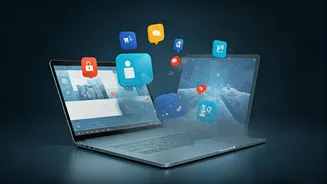
The first major evolution is the move towards 'interactive' retail. Instead of static product pages, online shopping is becoming an engaging, two-way experience. This is most visible in the boom of live and social commerce. Platforms like Instagram and dedicated
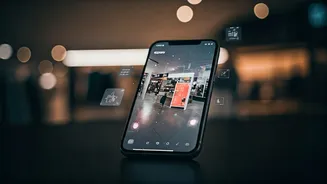
apps are now virtual marketplaces where influencers and brands showcase products in real-time. This format, sometimes called "shoppertainment," allows customers to ask questions, see product demonstrations, and purchase instantly during a live stream. Another layer of interaction comes from technologies like Augmented Reality (AR). Major players like Flipkart have introduced features allowing you to use your phone's camera to see how a piece of furniture would look in your living room or virtually 'try on' beauty products. This helps bridge the gap between imagination and reality, building consumer confidence and reducing the uncertainty of online purchases.
Why 'Shoppertainment' Is Taking Over
This shift to interactivity isn't just a gimmick; it's a strategic response to evolving consumer behaviour, especially among Gen Z and millennials who crave authenticity and engagement. Live commerce is seeing explosive growth in India, with the market projected to grow at a compound annual growth rate (CAGR) of over 40%. For brands, interactive features are a powerful tool to build trust and tackle one of e-commerce's biggest problems: product returns. When a customer can see a product in action or visualize it in their own space, they are more likely to be satisfied with their purchase. This trend is driven by India's massive mobile-first population, where shopping is often seen as a form of entertainment. The rise of regional and micro-influencers further fuels this, as they connect with niche audiences in local languages, creating a more relatable and trustworthy shopping experience.
The 'Near Me' Revolution Goes Digital
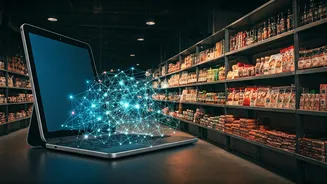
The second key trend is the increasing focus on 'local'. This isn't just about 'Made in India', but about buying from sellers who are physically closer to the customer. Hyperlocal commerce—the delivery of goods and services within a specific geographic area—is booming. This is most evident in the quick commerce grocery market, where services promise delivery in minutes, not days. This model is expected to account for a significant portion of the online grocery market. But it extends beyond groceries. The goal is to connect consumers with their nearest available supplier, whether it's a local kirana store, a neighbourhood electronics shop, or a local restaurant. This gives small, local businesses a chance to compete with large online players by offering the benefit of speed and community presence.
ONDC: Empowering the Local Seller
A major catalyst for this hyperlocal shift is the Open Network for Digital Commerce (ONDC). This government-backed initiative aims to create an open, interoperable network, breaking down the dominance of large e-commerce platforms. Think of it like UPI for e-commerce; it allows any seller, from a small-town artisan to a city-based retailer, to be discoverable by any buyer on any compatible app. ONDC gives sellers direct access to customer data, which is often controlled by platforms, allowing them to build relationships. By standardizing protocols and integrating with hyperlocal logistics providers, ONDC empowers millions of small merchants to participate in the digital economy, fostering entrepreneurship and strengthening local economies.