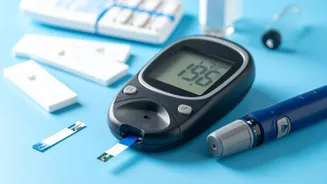








For millions managing type 2 diabetes, medication is a daily reality. A groundbreaking new study now reveals a hidden danger: stopping certain modern diabetes drugs could nearly double the risk of a heart attack or stroke.
The Alarming New Findings
A major new study published in
The Lancet Regional Health Europe has sent a clear warning to patients with type 2 diabetes. Researchers who followed over 80,000 people in Italy found that those who stopped taking a class of drugs known as GLP-1 receptor agonists had a significantly higher risk of serious cardiovascular events. Specifically, the combined risk of a non-fatal heart attack, non-fatal stroke, or death from any cause was about twice as high for those who discontinued the medication compared to those who continued it. In real terms, this meant that for every 100 people who stopped treatment, about four experienced one of these severe outcomes each year, compared to just two in the group that stayed on the medication. The risk was particularly pronounced for individuals with obesity.
More Than Just Blood Sugar Control
The drugs at the center of the study, GLP-1 receptor agonists, include well-known medications prescribed for type 2 diabetes and, in some cases, weight management. These medicines work by mimicking a natural gut hormone that helps regulate blood sugar and appetite. Over the years, their benefits have been found to extend far beyond glucose control. They have proven to be powerful tools for protecting the heart and kidneys, which is why they are often recommended for patients with or at high risk of cardiovascular disease. The new study suggests that this protection is not a permanent benefit but an active one that requires continuous use. The findings imply that stopping the medication effectively removes a vital shield from the cardiovascular system.
Why Do Patients Stop Taking Their Medication?
Despite their proven benefits, a large number of patients stop taking these drugs, often within the first year. The reasons are complex and varied. One of the primary drivers is the side effects, particularly gastrointestinal issues like nausea, vomiting, and diarrhea, which can be difficult to tolerate. Cost is another significant barrier, as these medications can be expensive, and insurance coverage may be limited. Some patients may also stop treatment because they believe they can manage their condition through lifestyle changes alone, or they may feel that the drug is no longer working if their weight loss plateaus. This highlights a critical gap between prescribing a drug and ensuring a patient can adhere to the treatment longterm.
Understanding the 'Rebound' Risk
Interestingly, the study found that after stopping the medication, factors like weight, blood pressure, and blood sugar levels changed only modestly. This suggests that the sharp increase in cardiovascular risk isn't simply due to these traditional risk factors worsening. Instead, researchers believe there might be a more direct protective effect that is lost when the drug is withdrawn. This raises questions about whether stopping the medication leads to a 'rebound' effect, where the underlying cardiovascular risks accelerate once the drug's protective influence is removed. However, the authors caution that since this was an observational study, it cannot prove direct causation. It is possible that the people who stopped were already in poorer health for other reasons.
What This Means for You
The key takeaway from this research is not that these drugs are dangerous, but that they are highly effective and should be taken consistently as prescribed. For anyone with type 2 diabetes currently using a GLP-1 medication, this study underscores the importance of not stopping treatment without first consulting a doctor. If you are struggling with side effects or costs, it is crucial to have an open conversation with your healthcare provider. They may be able to adjust the dosage, suggest ways to manage side effects, or explore alternative treatments that can provide similar protection. Abruptly discontinuing the medication on your own could leave you vulnerable to the exact complications the drug is meant to prevent.