







The New Power Couple in Wellness
Walk down any health aisle, and you’ll notice a change. Your trusty tub of whey or plant-based protein now has new friends on the ingredient list: probiotics, prebiotics, and digestive enzymes. For years, consumers have juggled a protein shaker in one
hand and a probiotic yogurt in the other. Now, brands are combining them, promising not only to fuel your muscles but also to support your digestive system in one convenient scoop. This isn't just a marketing gimmick; it reflects a deeper understanding that how well your body digests and absorbs protein is just as important as how much you consume.
Why the Gut-Protein Connection Matters
The link is more direct than you might think. A healthy gut microbiome is crucial for breaking down and absorbing nutrients, including protein. If your gut isn't in top shape, you might not be getting the full benefit of your high-protein diet. In fact, an imbalanced gut can lead to poor protein absorption, meaning some of it goes to waste. Furthermore, high protein intake can sometimes cause digestive discomfort like bloating and gas for some individuals. Adding gut-supporting ingredients aims to solve this very problem, making high-performance protein easier on your stomach and more effective for your body.
Meet The Gut-Friendly Players
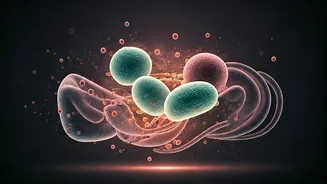
So, what are these new additions? The most common are probiotics, the 'good' live bacteria that support a healthy gut balance. Then there are prebiotics, which are essentially food for those good bacteria, often coming from fibre sources like chicory root or acacia gum. You'll also see digestive enzymes, such as protease and bromelain, which are catalysts that help break down protein molecules into smaller, more easily absorbed amino acids. Some formulas are now even including postbiotics, which are the beneficial compounds produced by probiotics. Together, these ingredients work to create a synergistic effect, enhancing digestion and nutrient uptake.
The Benefits on Offer
The primary claim is enhanced digestion and absorption. By helping your body break down protein more efficiently, these fortified powders can reduce the risk of bloating and discomfort often associated with protein shakes. This improved absorption means more amino acids may become available to your muscles, potentially supporting faster recovery and growth after a workout. Beyond digestion, a healthy gut microbiome, supported by probiotics and prebiotics, is linked to a stronger immune system and better overall wellness. Essentially, this trend is about making your protein work smarter, not just harder.
How to Choose Your Player
When you're shopping, don't just be swayed by the 'gut-friendly' label. Look at the specifics. For probiotics, check for well-researched strains like Lactobacillus and Bifidobacterium, and look for the CFU (colony-forming units) count, which indicates the number of live bacteria. For prebiotics, gentle fibres like acacia gum may be better tolerated by sensitive stomachs than inulin. Also, check for digestive enzymes like protease, papain, or bromelain. Finally, a short ingredient list with minimal artificial sweeteners, fillers, and gums is always a good sign for a clean, effective product.