




Imagine a journey that goes beyond scenic landscapes, offering a deep dive into ancient traditions. A four-day village visit in Chhattisgarh offers just that, where connecting with local craft cooperatives turns your trip into a truly meaningful exchange.
Beyond the Tourist Trail
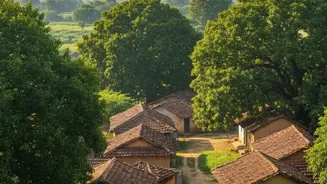
Chhattisgarh, often called the heart of India, is a land rich in mineral wealth and dense forests, but its true treasure lies in its vibrant tribal communities and their centuries-old traditions. A trip here offers a chance to step away from crowded monuments and into the living, breathing culture of its villages. Instead of just sightseeing, you can engage with the soul of the region by visiting local craft cooperatives. These are not merely shops, but community-run hubs where ancient artistic skills are preserved and passed down, providing a sustainable livelihood for artisans and offering visitors a window into their world.
The Art of Dhokra in Bastar
The Bastar region is the cultural epicentre of Chhattisgarh and a mandatory stop for any craft enthusiast. It is particularly famous for Dhokra, the ancient art of bell-metal casting using a lost-wax technique that dates back thousands of years. Visiting a cooperative in a village like Kondagaon or Jagdalpur means you can watch artisans create intricate figurines of deities, animals, and scenes from daily life. The process is fascinating to witness firsthand: from shaping the wax model to casting it in molten metal. By purchasing a piece directly, you are not just acquiring a beautiful object; you are supporting a craft form that has been recognized with a Geographical Indication (GI) tag for its unique heritage.
Wrought Iron, Wood, and Terracotta
The artistic diversity of Chhattisgarh extends far beyond metalwork. The same regions are home to masters of Loha Shilp (wrought iron craft), who transform recycled scrap iron into striking lamps, effigies, and toys. The state's abundant forests also fuel a thriving wood carving tradition, with artisans creating everything from decorative panels to sculptures that depict tribal life and mythology. Meanwhile, terracotta artists shape local clay into figures that reflect the community's customs and beliefs. Visiting these workshops allows you to appreciate the resourcefulness of the artisans who use locally sourced materials to create stunning works of art.
Weaving Stories with Tussar Silk
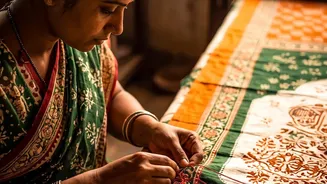
Chhattisgarh is also renowned for its handloom industry, particularly Kosa (Tussar) silk. In towns like Champa and Korba, you can visit weaver communities who produce these famed textiles. The silk is derived from a specific worm found in the local forests, and the threads are hand-woven into beautiful fabrics, including the well-known Bastar Kosa Saree. Many artisans still use natural vegetable dyes to create their patterns. A visit to a weaving cooperative is a chance to see the immense skill and patience required to produce a single sari and to understand the cultural significance woven into every thread.
How Your Visit Creates an Impact
Supporting these cooperatives enriches your travel experience in multiple ways. Firstly, it offers an unparalleled cultural immersion. You can spend a day with artisans, learn about their techniques, share a meal, and understand their way of life. This direct interaction is far more memorable than a typical tourist activity. Secondly, your visit has a direct economic and social benefit. By buying crafts directly from the source or staying in community-run homestays, you ensure that the profits remain within the village, supporting livelihoods and empowering artisans to continue their traditions. This form of responsible tourism helps preserve cultural heritage in a way that is both dignified and sustainable.
Planning Your Four-Day Craft Tour
A four-day trip is ideal for exploring the craft villages of the Bastar region. Base yourself in Jagdalpur, which serves as a convenient hub. From there, you can hire a local guide—essential for navigating the villages and bridging any language barriers. Plan to visit artisan clusters in Kondagaon for Dhokra and wrought iron, and explore the local 'haats' (weekly markets) where you can find a variety of crafts and produce. Consider staying in a village homestay for at least one night to fully immerse yourself in the local culture. Tour operators specializing in tribal and craft tours can also help organize a structured itinerary.