




Your Vehicle's Pre-Monsoon Health Check
Before you even think about your route, your car needs a thorough inspection. The rainy season is tough on vehicles, and a pre-trip check can prevent a breakdown in the middle of nowhere. Start with your tyres, as they are your only contact with the slippery
road. Ensure they have adequate tread depth—at least 3mm is recommended for monsoon conditions—and are inflated to the manufacturer's specified pressure. Next, inspect your brakes. Wet roads significantly increase your car's stopping distance, so your braking system must be in top shape. If you hear any squealing or feel the pedal is soft, get it checked by a mechanic. Equally crucial are your wiper blades. Old, cracked wipers will streak and impair vision during a downpour; replace them if they aren't cleaning the windshield effectively. Finally, test all your lights: headlights, taillights, brake lights, and indicators. Good visibility, for both you and other drivers, is non-negotiable in heavy rain.
Smart Route and Weather Planning
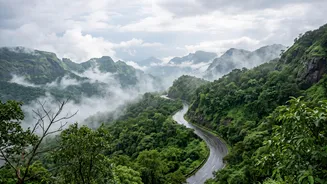
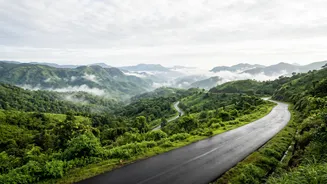
Once your car is ready, it's time to plan your journey with the weather in mind. Relying solely on your GPS might not be enough during the monsoon. Check weather forecasts from reliable apps and websites specifically for your intended route. Apps like Highway Weather can provide forecasts along your entire trip, helping you anticipate conditions at the time you'll be driving through different areas. Be aware of regions prone to landslides and heavy waterlogging, especially in hilly areas. It's always wise to have a backup route planned. Talk to locals or check online travel forums for recent updates on road conditions, as heavy rains can cause sudden closures or create dangerous potholes. Whenever possible, plan your drive to be completed during daylight hours, as visibility drops significantly after dark, making it harder to spot hazards on the road. If a severe weather warning is issued for your route, the safest decision is to postpone your trip until conditions improve.
Assembling Your Monsoon Emergency Kit
Even with the best planning, things can go wrong. A well-stocked emergency kit is your safety net. This isn't just about a standard first-aid kit, though that is essential. For monsoon travel, your kit should include items to handle weather-specific issues. Pack a tow rope or strap, as it can be a lifesaver if you get stuck in mud. A powerful, waterproof flashlight with extra batteries is crucial for visibility during a breakdown. Jumper cables are another must-have for potential battery issues, which are more common in damp weather. Pack non-perishable snacks like energy bars and nuts, along with an adequate supply of drinking water. It's also smart to have waterproof bags to protect your electronic devices and important documents. A reflective warning triangle and a blanket can provide safety and comfort if you're stranded. Finally, ensure your phone is fully charged and carry a power bank.
Safe Driving Techniques for Wet Roads
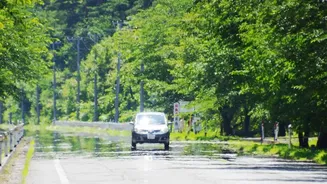
Driving in the rain requires a different mindset. The most important rule is to slow down. Wet roads reduce tyre grip and increase braking distances, sometimes by up to 40%. Double the gap between you and the vehicle in front to give yourself more time to react. Avoid sudden acceleration, hard braking, and sharp turns, as these manoeuvres can cause your car to skid. One of the biggest dangers is hydroplaning, where your tyres lose contact with the road and skim over a layer of water. If you feel the steering become light, ease off the accelerator and steer straight until you feel the tyres regain grip. Never use cruise control on wet roads. Keep your headlights on a low beam to improve visibility for others without causing glare. After driving through a waterlogged patch, gently tap your brakes a few times to help dry them out and restore their effectiveness.
The Danger of Waterlogged Roads
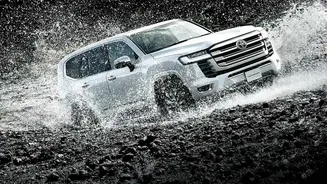
If you encounter a flooded road, the best advice is simple: Turn Around, Don't Drown. It's nearly impossible to judge the depth of standing water, and it may conceal washed-out tarmac, deep potholes, or debris. As little as six inches of moving water can cause you to lose control of your vehicle, and just a foot of water can be enough to make many cars float. Two feet of rushing water can sweep away even larger vehicles like SUVs. If you must drive through water, know your vehicle's wading depth and proceed slowly in a low gear with steady RPMs to prevent water from entering the exhaust. If your car stalls in water, do not try to restart it. Attempting to crank a waterlogged engine can lead to hydrostatic lock, causing severe and expensive damage. Switch off the ignition, and if the water level is rising, abandon the vehicle and get to safety.