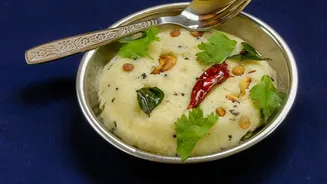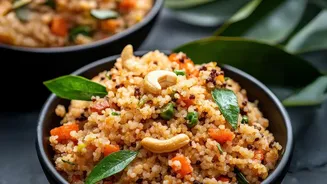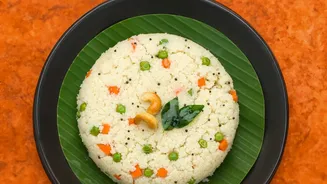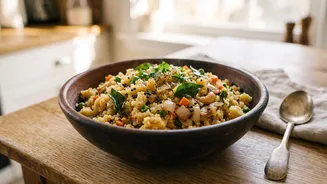



Often seen as a simple, quick breakfast, upma holds a universe of flavours within its humble origins. This beloved dish, made from semolina or other grains, transforms beautifully across India, reflecting the distinct culinary soul of each region.
1. Karnataka's Fragrant Khara Bath
In Karnataka,
upma is famously known as Khara Bath. It's a richer, spicier, and more aromatic version of the standard rava upma. The key to its unique flavour lies in the use of a special spice blend, often a Vangi Bath powder or a similar masala mix containing ingredients like coriander, cinnamon, and cloves. This dish is generously packed with vegetables like carrots, beans, and capsicum, and is often cooked with a bit more ghee, lending it a soft, moist texture. The final flourish of grated coconut and a squeeze of lemon juice brightens the flavours, making it a breakfast staple in Bengaluru's iconic Darshini restaurants, where it's famously served alongside sweet Kesari Bath in a combination called 'Chow Chow Bath'.
2. Tamil Nadu's Softer Rava Kichadi
Travel to Tamil Nadu, and you'll find Rava Kichadi, a close cousin of upma but distinct in its own right. While a basic upma can be plain, kichadi is decidedly more indulgent. The primary difference is its texture—Rava Kichadi is softer, with a more flowing consistency, achieved by using a higher ratio of water to rava. It is almost always cooked with a medley of vegetables like tomatoes and peas, and gets its rich flavour from a generous amount of ghee. While upma can be a quick, everyday affair, Rava Kichadi is often the version you'll find served at weddings and celebrations, prized for its melt-in-the-mouth texture and vibrant, turmeric-hued appearance.
3. The Andhra Special: Pesarattu-Upma
In Andhra Pradesh, upma becomes part of an iconic culinary power couple: Pesarattu-Upma. Here, a simple, savoury upma is not the main event but rather a delicious filling tucked inside a crispy crepe. The crepe, or 'pesarattu', is made from a batter of whole green moong dal, ginger, and green chillies, giving it a distinctive flavour and a healthy dose of protein. A ladleful of soft, freshly made upma is spooned onto the centre of the golden-brown pesarattu before it's folded over and served hot. This brilliant combination creates a perfect textural contrast between the crisp dal crepe and the soft, savoury semolina filling. It's traditionally served with a side of spicy ginger chutney, making for a truly unforgettable breakfast experience.
4. Maharashtra’s Art of Leftovers: Phodnichi Poli
While not a traditional rava upma, Maharashtra offers a brilliant take on the 'upma' concept with Phodnichi Poli, also known as roti upma. This dish embodies the spirit of resourceful cooking, transforming leftover rotis or chapatis into a delicious breakfast. The name itself explains the process: 'Phodni' means tempering, and 'Poli' means roti. The day-old rotis are torn and coarsely ground, then tossed in a sizzling tempering of mustard seeds, cumin, curry leaves, onions, and chillies. The resulting dish is savoury, satisfying, and has a texture reminiscent of poha. It’s a testament to how the upma technique—stir-frying a grain with a flavorful tempering—can be adapted to create something entirely new and delicious from leftovers.
5. The Modern Classic: Vegetable Masala Upma
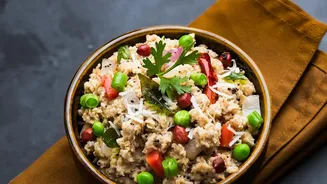
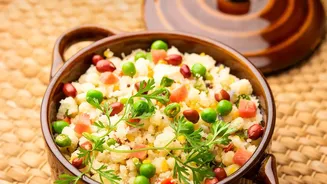
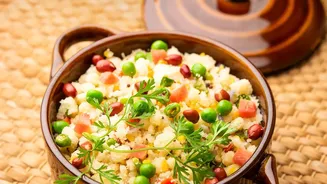
Beyond regional classics, a modern, pan-Indian version known as Vegetable Masala Upma has become a household favourite. This is the ultimate canvas for customization, where the simple upma is elevated with a variety of vegetables and spices. Finely chopped carrots, peas, beans, and sometimes even bell peppers are sautéed with the onions and tempering, adding nutrition, colour, and texture. The 'masala' element comes from adding spices like turmeric powder, and sometimes a pinch of garam masala or sambar powder for an extra layer of flavour. Finished with a dollop of ghee, a squeeze of lemon나 garnish of fresh coriander than this version transforms the humble upma into a complete and wholesome meal.