




The Areca Palm, with its graceful, feathery fronds, is a cornerstone of tropical aesthetics. It instantly brings a lush, resort-like feel to any space, making it a favourite in Indian homes and gardens for creating a slice of paradise.
Why Choose the Areca Palm?
Known scientifically
as Dypsis lutescens, the Areca Palm is more than just a pretty plant. It’s celebrated for its air-purifying qualities, effectively removing common household toxins like formaldehyde and benzene from the atmosphere. This 'Butterfly Palm' also acts as a natural humidifier, releasing moisture into the air, which can be especially beneficial in drier climates or air-conditioned rooms. It’s relatively low-maintenance, non-toxic to pets, and its dense, clustering growth habit makes it an excellent choice for creating privacy screens or softening architectural lines. Its evergreen nature ensures your garden looks vibrant all year round.
Finding the Perfect Spot in Your Garden
Proper placement is crucial for a thriving Areca Palm. Outdoors in India, they perform best in bright, indirect sunlight or partial shade. Gentle morning sun is beneficial, but they should be protected from the harsh afternoon sun, which can scorch their delicate leaves. An ideal location could be under the canopy of larger trees or on an east-facing side of your home. When planting in the ground, ensure they have enough space to grow, as they can reach heights of 15 to 25 feet. If you're creating a privacy hedge, spacing them about 3-6 feet apart will allow them to form a dense wall as they mature.
Soil Preparation and Planting
Areca Palms need well-draining soil to prevent root rot, which is one of the most common issues. Heavy clay soil should be avoided. The ideal growing medium is a mix that is rich in organic matter but also light and airy. A good recipe is a combination of garden soil, cocopeat or compost, and sand or perlite to improve drainage. When planting, dig a hole twice the width of the root ball. Place the palm in the hole, backfill with the prepared soil mix, and water thoroughly to settle the roots. Ensure the pot or planting area has excellent drainage.
A Simple Care Routine
The golden rule for Areca Palms is to avoid overwatering. Water thoroughly only when the top inch or two of soil feels dry. During the hot summer months, you may need to water every couple of days, but reduce the frequency significantly during winter and the monsoon season, when the soil retains moisture for longer. Feed your palms during the growing season (spring and summer) with a balanced liquid fertilizer every 4–6 weeks, diluted to half–strength. Pruning is minimal; simply trim off any fronds that have turned completely brown or yellow to keep the plant looking tidy and healthy.
Designing Your Tropical Layout
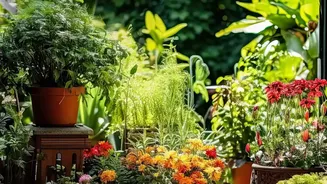
Areca Palms are a fantastic backdrop for a layered, tropical garden. Their height and feathery texture create a perfect canvas. For a lush, 'jungle' look, pair them with other tropical plants that share similar light and water needs. Good companion plants include hibiscus for vibrant colour, Bird of Paradise for bold foliage, and various ferns to act as ground cover. You can also plant colourful crotons, ti plants, and caladiums around the base. This layering of different heights, textures, and colours is the key to achieving a rich and authentic tropical garden design.
Troubleshooting Common Issues
Even with good care, you might face a few common problems. Brown tips on the leaves are often a sign of dry air or inconsistent watering, not necessarily a major issue. Yellowing fronds, especially at the base, usually point to overwatering. In very dry conditions, watch out for spider mites, which can cause a dusty appearance on the leaves. Most problems can be solved by adjusting your watering schedule, ensuring the soil drains well, and increasing humidity by misting the leaves if the air is particularly dry.