


Across India's bustling cities, a quiet revolution is taking place at dawn and dusk. Local parks, once the preserve of gentle strolls, are now vibrant hubs of activity. This is why open-air exercise is no longer a niche choice but a routine.
A Breath of Fresh Air for Body and Mind
The most immediate
draw of park-based fitness is the environment itself. Swapping the recycled air of a gym for fresh air and natural light has profound benefits. Studies suggest that exercising outdoors can lower blood pressure, reduce stress, and improve mood more effectively than indoor workouts. Exposure to sunlight provides a natural boost of Vitamin D, which is crucial for bone health and mood regulation. In densely packed urban centres like Delhi and Mumbai, where residents face chronic pollution and limited access to private open spaces, these green lungs offer a vital reprieve, enhancing both physical and mental well-being. The simple act of being in nature while exercising reduces feelings of anxiety and makes the workout feel less strenuous, encouraging people to push themselves further.
The Power of Community and Connection
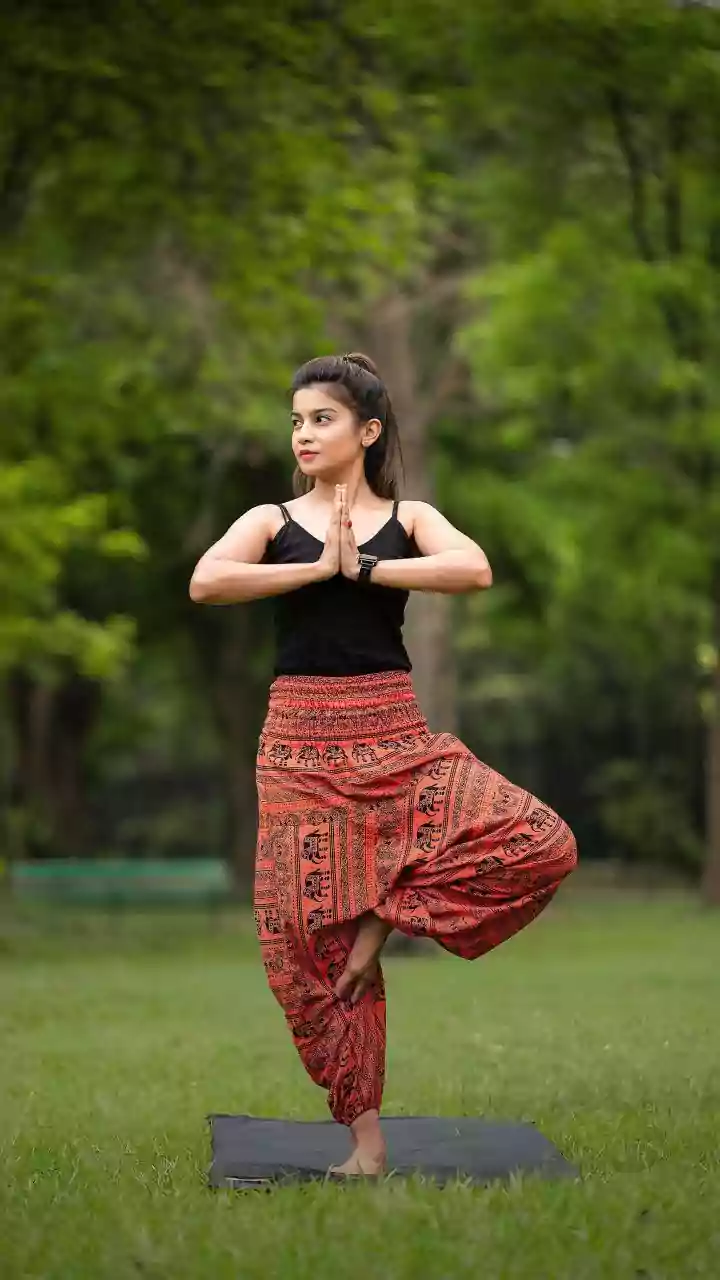
Beyond the individual health benefits, outdoor fitness is thriving because it is inherently social. Unlike the often solitary experience of a gym, parks foster a sense of community. Across cities like Chennai, Bengaluru, and Pune, fitness groups organised through social media and word-of-mouth are transforming once-isolated pursuits into shared goals. These collectives for running, yoga, and calisthenics offer motivation, accountability, and a sense of belonging. This social element has been a key driver, especially post-pandemic, as people seek to rebuild connections. Many communities create inclusive spaces, with some focusing on women-only groups or beginner-friendly coaching to ensure everyone feels welcome. The result is a powerful blend of movement and companionship.
Smarter Economics and Greater Accessibility
Cost and convenience are significant factors driving people out of paid facilities and into public spaces. With gym memberships representing a recurring expense, the free access to local parks is a compelling alternative. Many municipalities across India have responded to this trend by installing permanent, weather-proof 'open-air gyms'. This equipment, often featuring simple, durable machines for bodyweight exercises, has democratised access to fitness, making it available to everyone regardless of financial status. The low barrier to entry—often just needing a good pair of shoes—has been instrumental in normalising fitness as a daily habit rather than a luxury.
A Lasting Shift in Wellness Culture
The move outdoors is part of a broader evolution in India's fitness culture. There is a growing understanding that health is not just about scheduled, high-intensity workouts but about integrating consistent movement into daily life. The pandemic accelerated this shift, with many seeking safer, open air alternatives to closed spaces. However, the trend has outlasted lockdown restrictions, suggesting a permanent change in mindset. People are blending different activities, combining a morning run with yoga or calisthenics, creating holistic wellness circuits within park grounds. This reflects a move away from purely aesthetic goals towards functional fitness and overall well being.
Urban Planning Meets Public Health
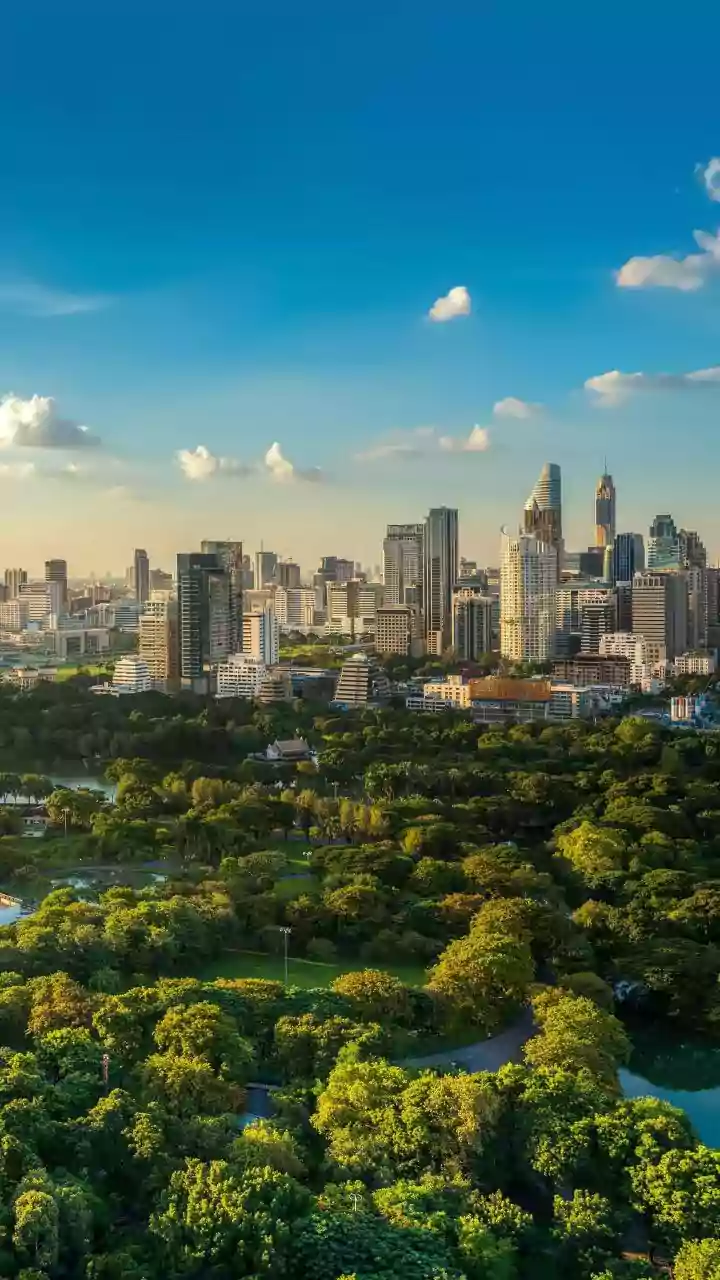
City planners are increasingly recognising parks as essential public health infrastructure. In cities from Bangalore to Delhi, parks are being thoughtfully designed or upgraded to support recreational activities with well lit pathways, maintained jogging tracks, and dedicated fitness zones. This proactive approach acknowledges that providing accessible green spaces is a scalable way to promote physical activity and improve community health. As urban running and fitness cultures grow, these parks are no longer just amenities but vital components of a resilient, healthy city, fostering a symbiotic relationship between urban design and the well being of its citizens.