







What's Off the Table?
The era of convenient but often unhealthy snacks during long meetings is drawing to a close. A recent Government Resolution (GR) calls for the gradual reduction of ultra-processed foods, fried items, and snacks high in salt, sugar, and fat. This means
popular choices like batata vadas, samosas, pakodas, cutlets, and bakery biscuits will no longer be the default option at government and semi-government offices, canteens, and training programs across the state. The move is part of a deliberate effort to steer away from meals high in carbohydrates and unhealthy fats.
What Can You Expect Instead?
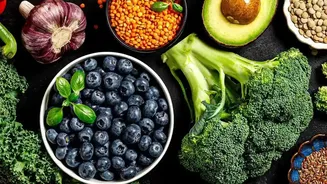
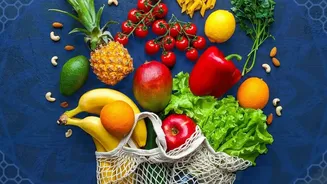
The new menu promotes locally sourced, nutritious, and balanced meals. For shorter meetings, you can expect to see options like seasonal fruits, boiled eggs, boiled sprouts, roasted chickpeas, vegetable poha, and idli-sambar. Traditional and healthier Maharashtrian staples are also being championed, including bhakris made from millets like jowar, bajra, and ragi. Beverages will also see a healthy makeover, with coconut water, buttermilk, solkadhi, unsweetened green tea, and lemon water with limited sugar becoming the new norms. For longer, full-day events, menus will feature balanced meals with dal, leafy vegetables, salads, and brown rice.
Why the Big Change?
This initiative is driven by a clear public health goal: to tackle the rising incidence of non-communicable diseases such as diabetes, hypertension, and heart disease. The government aims to make a healthy lifestyle an integral part of the daily routine for its employees, hoping this will improve overall efficiency and productivity. By making nutritious food more accessible during official engagements, the state hopes to lead by example and encourage a wider cultural shift towards healthier eating habits. The policy also ensures that all new catering contracts for government offices will mandatorily include these healthy menu provisions.
A Push for Millets and Local Foods
The new guidelines heavily feature millets, with items like millet khichdi and nachni bhakri being recommended. This aligns with a broader national and international push to promote these nutritious grains. The menu overhaul is not just about health; it's also about supporting the local economy. By prioritising traditional and regional foods, the policy encourages sourcing from local producers. The Mantralaya canteen in Mumbai has already started implementing these changes, successfully reducing oily snacks and introducing healthier meals featuring lentils, legumes, and salads.
What Does This Mean for Employees?
For employees, this marks a significant shift in the workplace environment. The government has advised that departments should consult with their employees before fully implementing the new menu to ensure a smooth transition. The official guidelines for the new menus will be based on recommendations from the Indian Council of Medical Research-National Institute of Nutrition (ICMR-NIN) and the Food Safety and Standards Authority of India (FSSAI). Furthermore, canteens will be subject to periodic audits by the Food and Drug Administration (FDA) to ensure compliance, and nutritional information about the food being served will be displayed to increase awareness.