





The Postcard Versus the Path
The image is instantly recognizable: a quiet, sun-dappled path winding through a towering forest of green bamboo. This is Kyoto's Arashiyama Bamboo Grove, a place that promises serenity and a connection to nature. For many visitors, however, the experience
is quite different. The reality is often a narrow path packed shoulder-to-shoulder with fellow tourists, all vying for the same iconic photo. The gentle rustle of leaves, a sound so special it was named one of Japan's '100 Soundscapes', is often drowned out by the chatter of the crowd. This disconnect between the promise and the reality is at the heart of a more critical look at Japan's most famous destinations. The problem isn't that these places aren't beautiful; it's that the experience of visiting them has been fundamentally changed by overtourism, where the sheer volume of visitors can overwhelm the site itself. The issue has become so pronounced that authorities have recently had to address damage from vandalism, with hundreds of bamboo stalks being defaced by carvings.
Torii Gates and Tourist Tides
Another of Kyoto's most photographed sites is Fushimi Inari Shrine, famous for its thousands of vibrant vermilion torii gates that create stunning tunnels up a mountainside. Originally a sacred path for prayer and reflection, the lower sections of the trail now frequently feel more like a queue. The shrine is open 24 hours, and travel blogs are full of advice to arrive at sunrise to beat the crowds, which begin to swell as early as 8 a.m. While the spiritual atmosphere can be found, it often requires a significant hike. Most visitors stick to the first few sections of the path, meaning the crowds thin out considerably for those willing to make the two- to three-hour trek to the summit of Mount Inari. For those who do, the experience remains magical, especially in the evening when lanterns cast a different glow on the gates. But for the casual visitor arriving midday, the experience can be more about navigating a crowd than quiet contemplation.
The Gleam of the Golden Pavilion
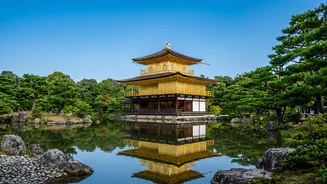
Kinkaku-ji, or the Golden Pavilion, is another Kyoto landmark that is undeniably stunning. This Zen Buddhist temple, its top two floors covered in gold leaf, shimmers against the reflection in its surrounding pond. However, the visitor experience is highly structured and can feel brief. You cannot enter the pavilion itself. Instead, you follow a one-way path that offers a perfect viewpoint before moving you along with the flow of visitors. Most people spend between 30 and 45 minutes on site, making it more of an impressive photo opportunity than a deep, immersive cultural experience. Critics point out that while visually spectacular, the crowds can detract from the quiet contemplation the temple's gardens are designed to inspire. The visit is often described as beautiful but brief, a moment to capture the iconic image before being guided toward the exit.
Rethinking the Bucket List
This critical examination of famous landmarks isn't meant to suggest they should be skipped entirely. Instead, it’s about recalibrating expectations and adopting a more mindful approach to travel. For every world-famous site, there are often less-crowded alternatives that offer a similar, if not more authentic, experience. For instance, instead of Arashiyama, travelers can find serene bamboo groves at temples like Adashino Nenbutsu-ji or Kodai-ji. Kanazawa is often recommended as a less-crowded alternative to Kyoto, with its own preserved samurai and geisha districts. The key is to travel with awareness. This means visiting popular sites during off-peak hours, such as early in the morning or on weekdays. It also means venturing beyond the 'golden route' of Tokyo-Kyoto-Osaka to discover regions like Kyushu or the towns of the Japan Alps, which are eager to welcome visitors. By doing so, travellers can not only find the tranquility they seek but also help alleviate the pressures of overtourism on Japan's most treasured places.