





Cosmic Forensics in the Stratosphere
Believe it or not, our planet is a giant dust collector. Every year, thousands of tonnes of microscopic particles, known as interplanetary dust particles (IDPs), rain down through our atmosphere. Most of this material is vaporised by the intense heat
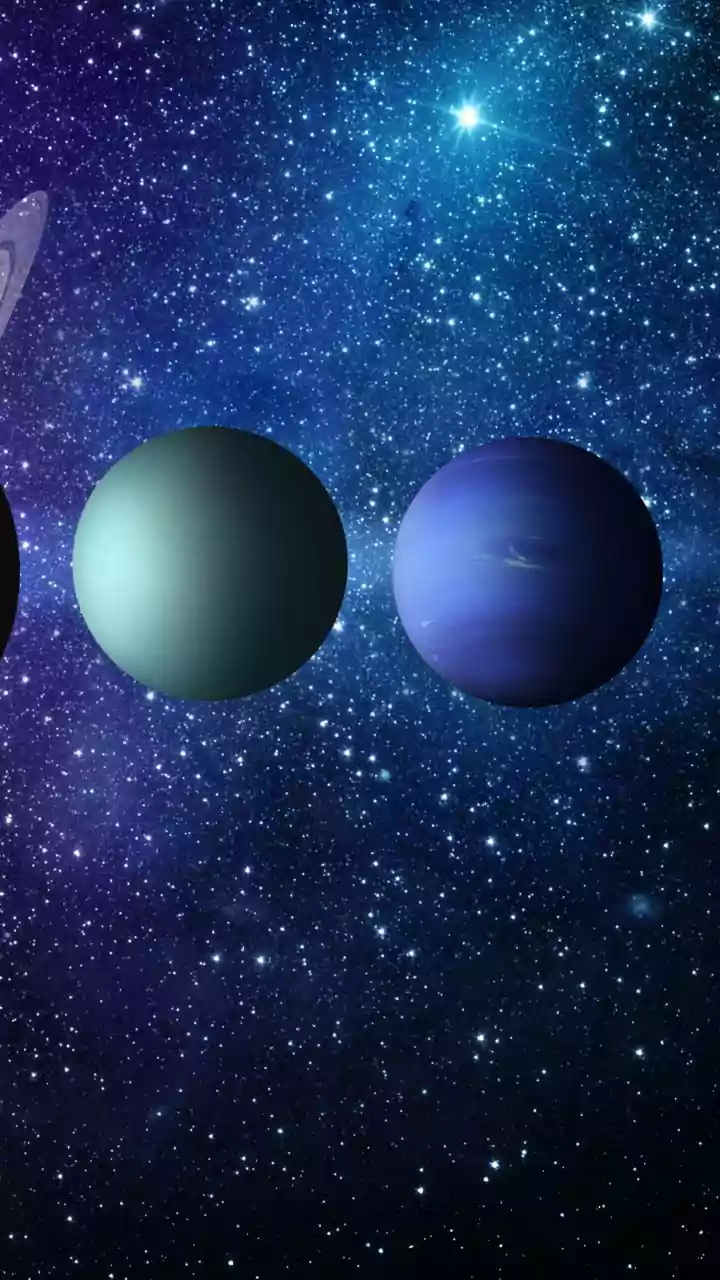
of atmospheric entry, but some of it survives. These tiny particles are more than just space dirt; they are pristine relics from the formation of our solar system, preserved in a cosmic deep freeze for billions of years. Many of these grains originate from the Kuiper Belt, a vast, frigid ring of icy bodies orbiting beyond Neptune. This distant region is thought to be a reservoir of some of the most primitive, unaltered material in our solar system. By studying this dust, scientists can essentially perform forensic analysis on the building blocks of planets, including our own.
The Edge-of-Space Dust Bunnies
Collecting these microscopic grains is a monumental challenge. They are incredibly small, often just thousandths of a millimeter wide. To solve this, NASA has been using specially modified high-altitude research aircraft, like the ER-2, since 1981. The ER-2, a civilian version of the famous U-2 spy plane, can fly at altitudes above 60,000 feet (over 18 kilometers). Flying this high takes it into the stratosphere, far above weather systems and most terrestrial dust and pollutants. At this altitude, the interplanetary dust particles are more concentrated relative to Earth-based contaminants. The aircraft is equipped with special collectors, often flat plates coated with ultra-pure silicone oil, which are extended into the airstream. Like cosmic flypaper, these collectors gently capture the tiny particles as they drift down through the upper atmosphere.
The Main Point: Reading Our Solar System's Blueprint
So, why go to all this trouble for a few specks of dust? The main point is that these particles are time capsules containing the chemical blueprint of the early solar system. Spacecraft missions like Stardust have already proven the immense value of cometary dust, revealing a complex mix of materials that tells a story of widespread mixing and processing in the disk from which the planets formed. Grains collected in the stratosphere offer a continuous and more affordable way to sample this cosmic rain. By analyzing the composition of dust from the Kuiper Belt, scientists can address fundamental questions: What were the original ingredients of the solar system? How were organic molecules and water, both essential for life, distributed and delivered to the early Earth? Each particle is a tiny piece of a giant puzzle, providing clues about the violent and chaotic environment in which our sun and planets were born.
From the Kuiper Belt to the Laboratory
Once the ER-2 aircraft lands, the collectors are carefully removed and transported to an ultraclean laboratory at NASA's Johnson Space Center. There, technicians painstakingly search the collectors under microscopes, identifying and extracting individual cosmic dust particles. Each one is cataloged and made available to scientists worldwide for detailed analysis. Researchers use advanced techniques to determine a particle's chemical and isotopic composition, which can help pinpoint its origin—whether it's from a specific comet, an asteroid, or even interstellar space. For instance, NASA has been focusing efforts on collecting during known meteor showers, hoping to capture dust that can be directly traced back to a specific parent comet. This targeted collection allows for what is effectively a sample return mission from a specific celestial body, but without the immense cost of launching a deep-space probe.