


The Rise of the Dome
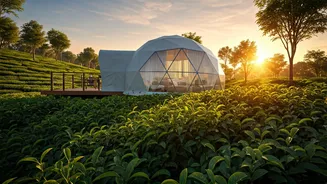
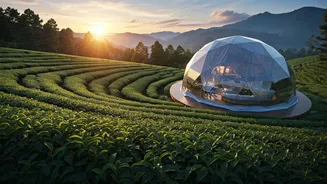
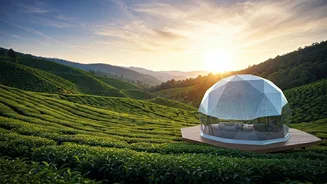
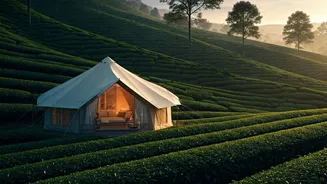
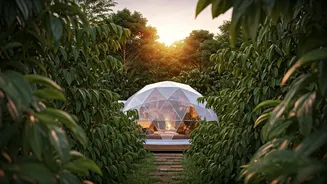
This isn't a fantasy; it's the reality of a new wave of travel sweeping across India's most picturesque landscapes. At the heart of this trend are geodesic pods—futuristic, bubble-like structures that are changing our definition of glamping. Forget canvas
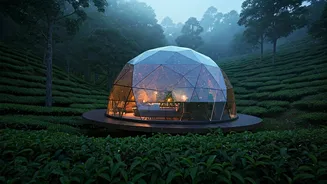
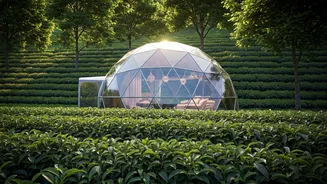
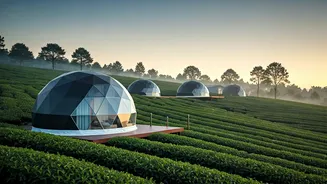
tents and rustic cabins. These domes, inspired by the architectural principles of Buckminster Fuller, offer a unique blend of structural integrity and immersive design. Their framework of interconnected triangles creates a sturdy yet lightweight shelter that can withstand harsh weather, all while allowing for vast, uninterrupted window panels. The result is a room with a view that puts you directly inside the landscape without sacrificing an ounce of comfort.
Luxury Meets Landscape
What truly sets these pods apart and supports the claim of “redefining” glamping is the level of luxury packed inside. This is where the ‘glam’ in glamping gets a serious upgrade. Inside these spherical sanctuaries, you’ll typically find everything you’d expect from a boutique hotel room: king-sized beds with premium linens, climate control to keep you cool or cosy, chic en-suite bathrooms with hot running water, and often a private deck or patio. It’s a far cry from shared washrooms and sleeping bags. This evolution caters to a modern traveller who craves deep connection with nature but is unwilling to compromise on comfort and convenience. The pods offer a seamless experience where the boundary between indoors and outdoors feels beautifully blurred.
An Estate State of Mind
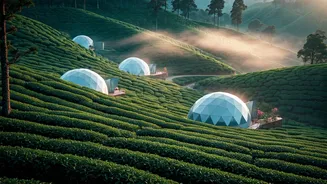
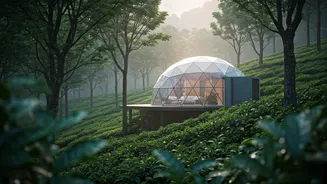
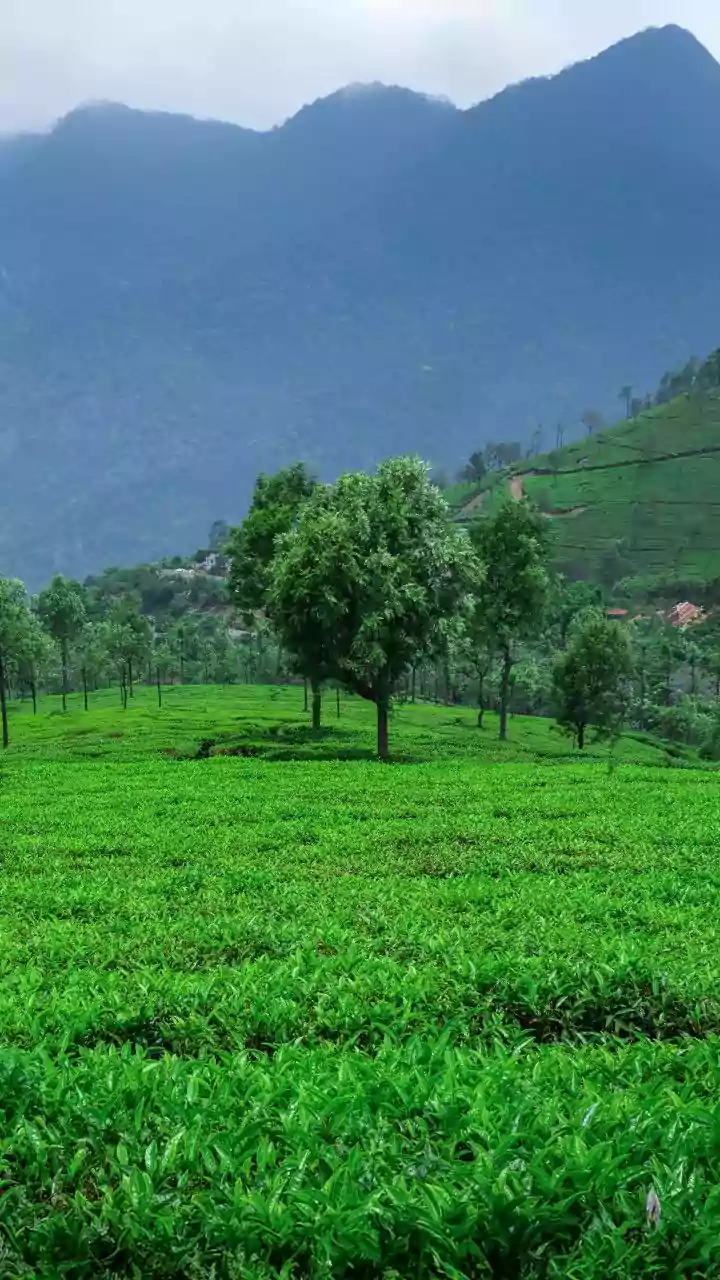
The location is just as important as the structure. Emerging in iconic tea regions like Munnar in Kerala, these pods aren't just built near tea gardens—they're often situated right within them. This provides an unparalleled level of immersion. Guests can wake up to the sight of tea pluckers starting their day, breathe in the fragrant air, and spend their afternoons exploring the manicured slopes. Many of these glamping sites offer curated experiences that connect guests to the local culture and environment. These can range from guided tea-tasting sessions and tours of tea factories to trekking through spice plantations and bird-watching expeditions. It’s an experience that engages all the senses, making the destination itself the main attraction.
Sustainable by Design?
There's also a compelling sustainability angle to this trend. Compared to constructing a traditional hotel, geodesic domes often have a much lower environmental footprint. They typically require minimal foundation work, preserving the natural topography of the land. The materials can be sourced responsibly, and their efficient shape often leads to better energy conservation for heating and cooling. For landowners in ecologically sensitive areas like tea estates, this offers a way to venture into hospitality without resorting to large-scale, disruptive construction. It represents a more symbiotic relationship between tourism and nature, where the accommodation enhances the appreciation of the environment rather than detracting from it.
The Appeal of the Bubble
Ultimately, the allure of the geodesic pod is psychological. It taps into our desire for novelty, safety, and connection. There’s a primal comfort in being in a cocoon-like space, sheltered from the elements, while still feeling connected to the vastness of the world outside. In an age of social media, the visual appeal is undeniable; these domes are inherently photogenic, creating picture-perfect moments that travellers are eager to capture and share. They offer privacy, panoramic views, and a sense of exclusive escape that feels both futuristic and deeply rooted in the natural world. This isn’t just a stay; it’s a memorable, story-worthy experience.