


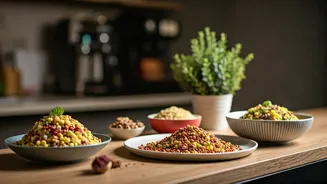


From Ancient Grain to Modern Superfood
For centuries, millets were a dietary staple across India, valued for their resilience and nutritional content. [cite:2, cite:3] However, with the widespread adoption of rice and wheat, these hardy grains were gradually relegated to rural or regional
diets, sometimes perceived as a “poor person's food”. [cite:2, cite:4] The tide is now turning. Thanks to a global wellness movement and initiatives like the UN's declaration of 2023 as the International Year of Millets, awareness is surging. [cite:2, cite:5] Indian households are rediscovering millets not just as a link to their heritage but as a scientifically-backed choice for a healthier lifestyle. [cite:6, cite:5] This resurgence has seen millets move from local markets to supermarket shelves and restaurant menus, available in everything from breakfast cereals to ready-to-eat meals.
The Nutritional Powerhouse Unpacked
The excitement around millets is well-founded, as they offer a dense nutritional profile. They are naturally gluten-free, making them an excellent choice for individuals with celiac disease or gluten intolerance. [cite:7, cite:8] Rich in dietary fibre, they promote healthy digestion, aid in weight management by keeping you feeling full for longer, and help maintain a healthy gut. [cite:9, cite:10, cite:11] Millets have a low glycemic index, which means they release sugar into the bloodstream slowly, helping to manage blood sugar levels and making them beneficial for diabetics. [cite:10, cite:8, cite:11] They are also a treasure trove of essential minerals, including calcium, iron, magnesium, and potassium, which support everything from bone health to cardiovascular function. [cite:2, cite:4, cite:12] For instance, Ragi is famously high in calcium, while Bajra is a great source of iron. [cite:13, cite:11]
A Guide to Common Indian Millets
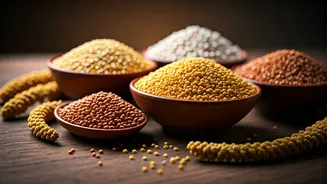
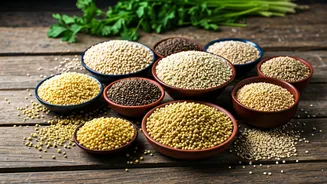
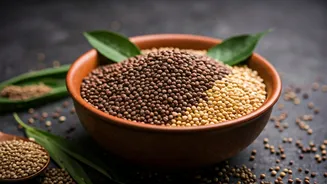
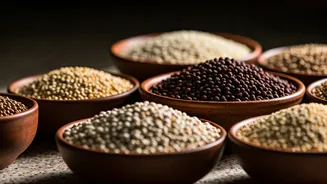
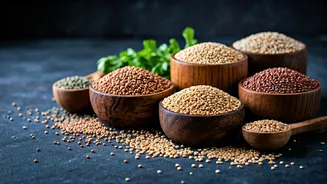
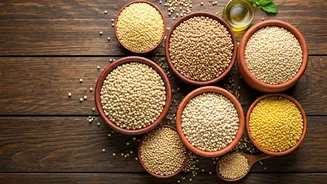
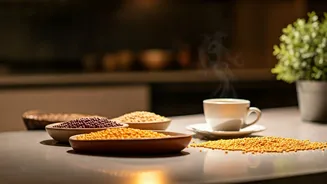
The world of millets is diverse, with each type offering unique benefits and culinary uses. Among the most popular in India are: * Ragi (Finger Millet): Known for being a calcium powerhouse, Ragi is vital for bone health, making it ideal for children and the elderly. Its earthy flavour lends itself well to rotis, dosas, and porridge. [cite:14, cite:15] * Jowar (Sorghum): Rich in antioxidants and B vitamins, Jowar is excellent for heart health and managing cholesterol. It can be used to make soft rotis (bhakri) or even popped like popcorn. * Bajra (Pearl Millet): A fantastic source of iron and protein, Bajra is great for boosting energy and fighting anemia. [cite:17, cite:13] It has warming properties, making its rotis and khichdi especially popular during winter months. [cite:13, cite:18] * Foxtail Millet (Kangni/Thinai): This variety is great for blood sugar control and is often used as a direct substitute for rice in dishes like upma, pulao, and khichdi. [cite:8, cite:19, cite:20]
Easy Swaps for a Healthier Diet
Incorporating millets into your daily meals doesn't require a complete dietary overhaul. The key is to start with simple, gradual swaps. Begin by replacing rice with cooked foxtail or barnyard millet once or twice a week in dishes like pulao or curd rice. [cite:10, cite:19] Another easy method is to mix millet flour—such as Ragi, Jowar, or Bajra—with your regular wheat flour when making rotis. Breakfast is an excellent starting point; try making a savoury upma with little millet or a sweet porridge with ragi. [cite:14, cite:20] You can even use millet batter for dosas and idlis for a healthier twist on South Indian classics. [cite:10, cite:22] By integrating these grains into familiar recipes, you can enjoy their benefits without drastically changing your cooking style.