




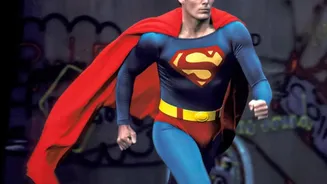
Superman (1978): Believing a Man Could Fly
Before 1978, superhero adaptations were often seen as campy and low-budget fare. Richard Donner's 'Superman: The Movie' changed that perception entirely. With the simple but powerful tagline, "You'll believe a man can fly," the film treated its source
material with a sincerity and scale previously unseen. It invested in groundbreaking special effects, a soaring score by John Williams, and a star-making performance by Christopher Reeve that captured both the power of Superman and the charm of Clark Kent. It was the first truly big-budget superhero blockbuster, establishing a blueprint that valued earnest storytelling and visual spectacle. The film's success proved to studios that audiences were hungry for serious comic book stories, laying the foundation for the entire genre as we know it today.
Batman (1989): The Birth of the Blockbuster Event
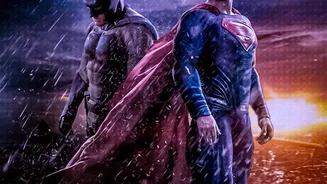
If Superman made superhero films respectable, Tim Burton's 'Batman' made them cool. Bucking the campy image of the 1960s TV show, Burton delivered a dark, gothic, and stylistically distinct Gotham City. The film's marketing was an event in itself, with the iconic Bat-Signal becoming a ubiquitous symbol. Michael Keaton's casting was initially controversial, but his intense, brooding portrayal of the tormented hero won over audiences. 'Batman' was more than just a movie; it was a cultural phenomenon that redefined movie merchandising. Furthermore, it proved that a darker, more psychologically complex hero could be a massive commercial success, opening the door for more tonally adventurous adaptations. Its unique aesthetic and serious tone gave the genre a new identity and demonstrated its powerful commercial potential.
Spider-Man (2002): Launching the Modern Era
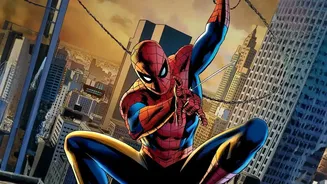
While 'X-Men' (2000) cracked the door open for Marvel, Sam Raimi's 'Spider-Man' blew it off its hinges. Arriving in a post-9/11 world, the film's heartfelt story of a regular kid from Queens gaining incredible powers resonated deeply with audiences. It was the first film in history to earn over $100 million on its opening weekend, a staggering achievement that cemented superhero movies as the future of the box office. Raimi perfectly balanced comic book sincerity with groundbreaking digital effects, creating thrilling action sequences and an emotionally resonant origin story. The film's phenomenal success not only saved Marvel from near-bankruptcy but also provided the definitive template for the 21st-century superhero origin story, directly influencing the creation of the Marvel Cinematic Universe.
The Dark Knight (2008): Elevating the Genre to Art
Christopher Nolan's 'The Dark Knight' was a seismic event. More a sprawling crime epic in the vein of a Michael Mann film than a traditional superhero movie, it pushed the genre into territory it had never been. The film tackled mature themes of chaos, order, and sacrifice with a gritty realism. The conversation was dominated by Heath Ledger's mesmerizing and terrifying performance as the Joker, which earned him a posthumous Academy Award for Best Supporting Actor—the first time a comic book film had won a major acting Oscar. The film's critical and commercial success was so immense that its snub for a Best Picture nomination is widely credited with the Academy's decision to expand the category from five to ten nominees, forever changing the Oscar race.
The Avengers (2012): Changing the Business of Movies
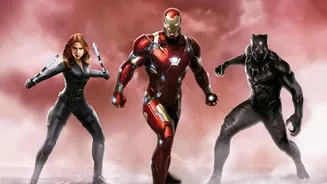
While previous films had transformed the genre, 'The Avengers' transformed the entire business of Hollywood. It was the culmination of Marvel Studios' ambitious Phase One, a multi-film experiment in building a shared cinematic universe. Bringing Iron Man, Captain America, Thor, and the Hulk together was a massive gamble that paid off spectacularly, becoming the first MCU film to gross over $1 billion. The film's success proved that audiences would follow characters across multiple franchises, leading to a fundamental shift in how studios approached blockbuster filmmaking. The interconnected model became the new gold standard, with rivals attempting to replicate Marvel's formula. 'The Avengers' created a new form of long-form cinematic storytelling, turning moviegoing into a serialized, can't-miss event.