

Your Fortress Against the Cold: The Right Gear
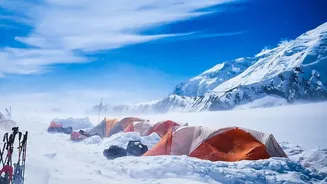
Your primary defence against the biting cold is your gear. Do not compromise here. A proper four-season tent, designed to withstand high winds and snow load, is non-negotiable. For sleeping, your comfort depends on a two-part system: the sleeping bag
and the sleeping pad. Choose a sleeping bag with a temperature rating that is lower than the coldest temperature you expect. A bag rated for -15°C or lower is a wise investment for Himalayan winter camping. Equally important is the sleeping pad. An insulated pad with a high R-value (a measure of thermal resistance) is crucial because it prevents the frozen ground from sucking warmth out of your body. Many experienced campers use two pads: an inflatable one on top of a closed-cell foam pad for maximum insulation and protection.
The Art of Layering: Dress for Warmth, Not Bulk
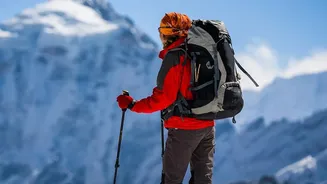
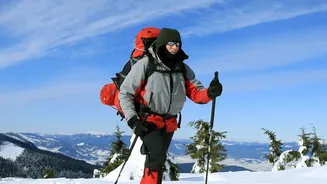
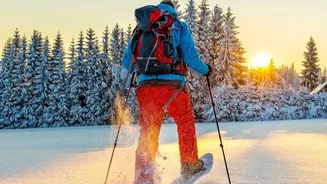
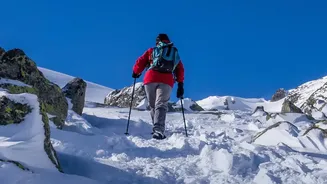
The secret to staying warm is not a single thick jacket, but a smart layering system. This three-part approach allows you to regulate your body temperature by adding or removing layers to avoid sweating, which can lead to a dangerous chill. Start with a moisture-wicking base layer made of merino wool or synthetic fabric; never cotton, as it holds moisture and freezes. The second layer is your insulating mid-layer, typically a fleece or a light down jacket, which traps body heat. The final piece is the outer layer or shell, a waterproof and windproof jacket and pants that protect you from snow and wind. Remember accessories: a warm woollen cap or beanie, a neck gaiter or balaclava, waterproof insulated gloves, and several pairs of warm woollen socks are essential. Always keep one pair of socks completely dry, reserved only for sleeping.
Fuel Your Inner Furnace: Nutrition and Hydration
Your body burns a tremendous number of calories just to stay warm in sub-zero conditions. Eating generates heat through a process called thermogenesis, so a well-fed body is a warmer body. Focus on a mix of carbohydrates for quick energy, and fats and proteins for slow-burning, sustained warmth. Before bed, a hot, high-calorie meal and a warm, non-caffeinated drink can significantly boost your warmth through the night. Hydration is just as critical. The dry, cold mountain air can dehydrate you quickly, even if you don't feel thirsty. Dehydration makes you more susceptible to cold-related illnesses. Aim to drink water consistently throughout the day. Carrying a thermos with a hot drink can make hydrating more pleasant in the cold.
Smart Rituals for a Warm Night
How you prepare for bed can make all the difference. Before getting into your tent for the night, do some light activity like jumping jacks or a short, brisk walk to raise your core body temperature. It's much easier to stay warm in a sleeping bag than to get warm once you're already cold. Change into completely dry base layers before slipping into your sleeping bag; even a little dampness from the day's sweat will make you cold. A classic trick is to fill a hard-sided water bottle with hot water, ensure it's tightly sealed, and place it in your sleeping bag as a personal heater. Also, keep electronics like your phone or power bank inside your sleeping bag, as the cold can drain their batteries overnight.
Know the Danger Signs
While preparation minimizes risks, it's vital to recognize the early signs of cold-related injuries. Hypothermia occurs when your body loses heat faster than it can produce it, leading to a dangerously low body temperature. Early symptoms include intense shivering, slurred speech, clumsiness, and confusion. Frostbite is the freezing of skin and underlying tissues, most common on fingers, toes, nose, and ears. The first sign is often a 'pins and needles' feeling, followed by numbness and discoloured skin. If you or a companion shows these signs, it's a medical emergency. The immediate priority is to get to shelter, replace wet clothing with dry layers, and gently warm the person.