




A Perfect Storm for Germs
The monsoon creates an ideal environment for harmful microorganisms to thrive. The combination of high humidity, moisture, and warm temperatures helps bacteria like E. coli and Salmonella, viruses, and fungi multiply at an accelerated rate. This deadly
mix means that food spoils much faster than in other seasons. This heightened risk of contamination is a primary reason for the spike in foodborne illnesses such as gastroenteritis, typhoid, and food poisoning during the rains.
The Risk in Raw and Pre-Cut Produce
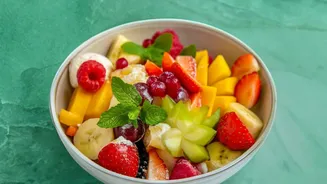
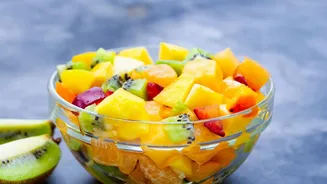
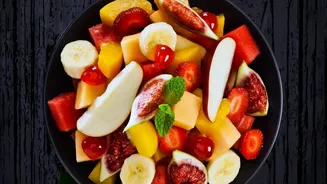
Cut fruits and raw salads are particularly vulnerable during this time. Once a fruit or vegetable is cut, its natural protective skin is gone, exposing moist surfaces rich in nutrients—perfect for bacterial growth. Street vendors often sell fruits that have been pre-cut and left exposed for hours, where they can be contaminated by dust, flies, and unclean hands. Even the water used to wash them might be contaminated, a common issue during the monsoon when heavy rains can cause sewage to mix with water supplies.
Why Leafy Greens and Salads Are Tricky
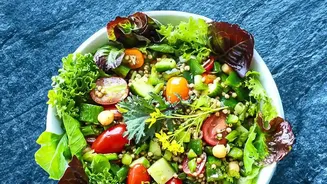
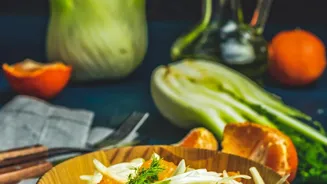
Leafy green vegetables like spinach, lettuce, and cabbage, which form the base of many salads, are another area for caution. They grow close to the soil and their folds can trap dirt, germs, and parasites that are difficult to wash away completely. The moisture they retain makes them a perfect home for microbes to multiply, especially in the monsoon humidity. While a fresh salad seems like a healthy choice, consuming it raw increases the risk of ingesting these contaminants if not prepared with extreme care.
Smart Monsoon Habits for Safe Eating
This doesn't mean you have to give up fruits and vegetables. The key is to adapt your habits for the season. Always opt for freshly cooked, hot meals when eating out, as heat destroys most harmful bacteria. Avoid street food, especially items like chaat, chutneys, and juices made with untreated water. When it comes to produce, it's safer to buy whole fruits and vegetables rather than pre-cut ones. Wash them thoroughly under clean, running water at home right before you plan to eat them. Fruits that you can peel yourself, like bananas and oranges, are generally safer options.
Preparing Raw Foods Safely at Home
If you crave a salad, preparing it at home is the safest bet. Begin by washing your hands thoroughly with soap. Wash all vegetables meticulously. You can even soak them in a light saltwater or vinegar solution to help remove surface contaminants. Peel vegetables like cucumbers and carrots. Ensure your cutting board and knives are clean. By taking these precautions, you significantly reduce the risk and can still enjoy the nutritional benefits of raw foods. For leafy greens, cooking them is the safest approach during the monsoon.