



Gather Your Simple Supplies
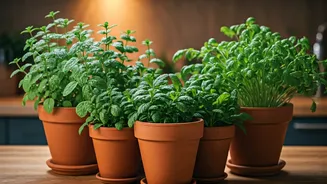
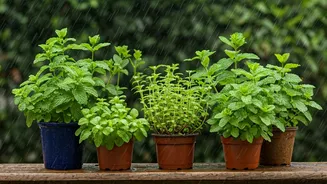
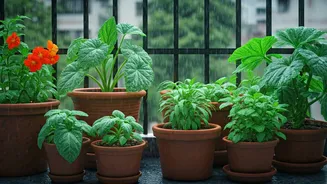
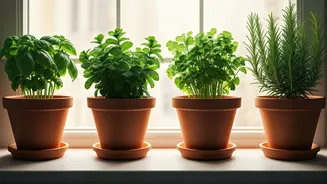
Before you start planting, you’ll need a few basic items. Don't worry, this isn't a complicated or expensive setup. You will need four pots, each about 6-8 inches deep. Terracotta pots are excellent as they are porous and allow the soil to breathe, but
any container with drainage holes at the bottom will work perfectly. Next, you need a good quality potting mix. It's best to avoid using soil directly from your garden, as it can be too heavy and may contain pests. Look for a light, fluffy mix, often containing cocopeat and compost, which provides nutrients and ensures good drainage. Finally, you'll need your herb seeds or small saplings, which are readily available at local nurseries or online.
Herb 1: The Sacred Tulsi (Holy Basil)
A fixture in many Indian homes, Tulsi is revered for its spiritual significance and medicinal properties. It's also remarkably easy to grow on a windowsill. Tulsi loves sunshine, so a spot that receives several hours of direct sunlight is ideal. Plant your seeds or sapling in the centre of your pot. Water it when the top layer of soil feels dry, but be careful not to overwater. To encourage your Tulsi to grow into a lush, bushy plant, pinch off the flowering tops as soon as they appear. These flowers can be used to make a fragrant tea.
Herb 2: The Essential Coriander (Dhania)
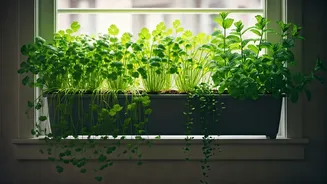
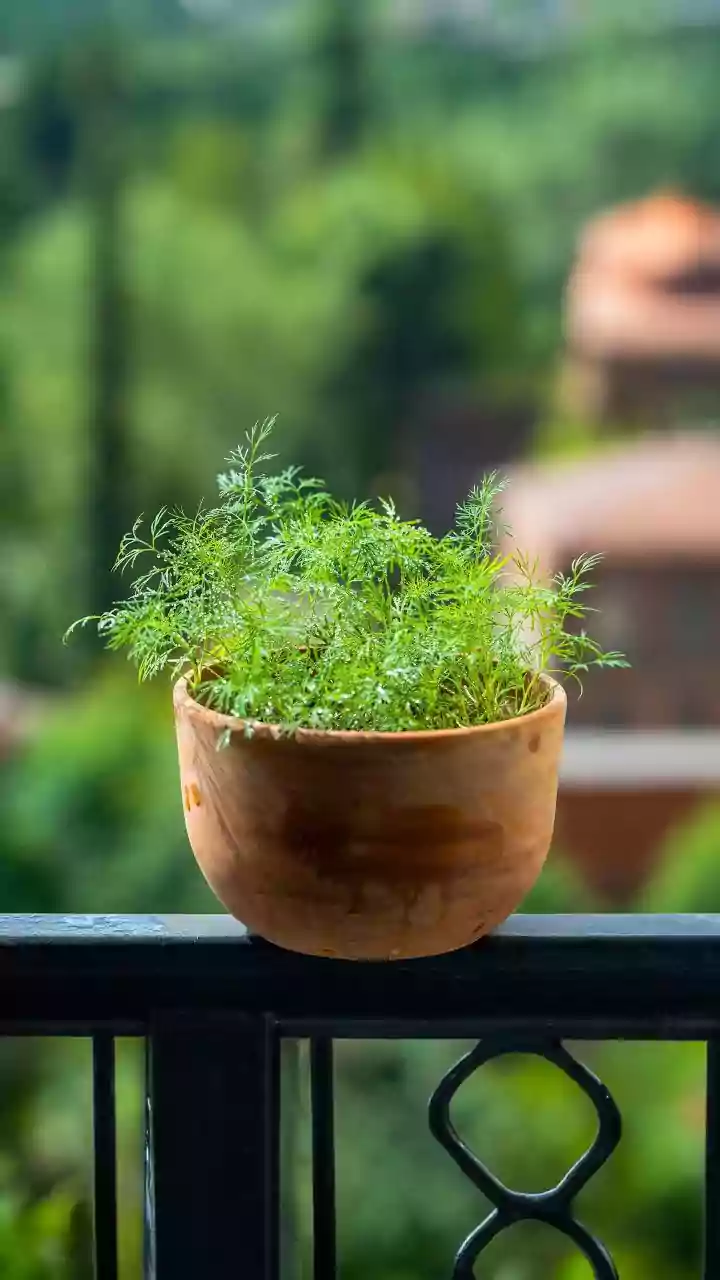
No Indian kitchen is complete without fresh dhania for garnish. Growing it yourself ensures you always have it on hand. Coriander can be grown easily from the seeds found in your kitchen. For better germination, gently split the whole coriander seeds into two halves. Sow the seeds in your pot and cover them with a thin layer of soil. Keep the soil consistently moist but not waterlogged. Coriander prefers morning sun and some afternoon shade, as harsh direct sunlight can cause it to bolt (flower prematurely). You can start harvesting the leaves in just a few weeks.
Herb 3: The Refreshing Mint (Pudina)
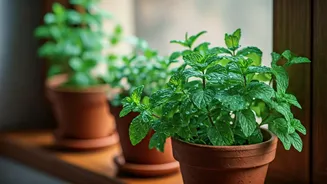
Perfect for chutneys, raitas, and refreshing drinks, mint is one of the easiest herbs to grow. In fact, it grows so vigorously that it's best to keep it in its own separate pot to prevent it from taking over. Mint isn't too fussy about sunlight and can do well even in partial shade. You can easily grow mint from a cutting. Simply take a healthy stem from a bunch of store-bought mint, place it in a glass of water, and wait for roots to appear. Once rooted, plant it in your pot. Keep the soil consistently moist. Regular trimming will encourage fuller growth.
Herb 4: Aromatic Sweet Basil
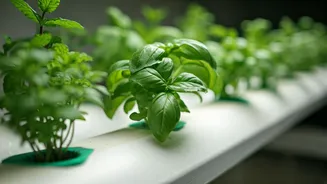
While Tulsi is Holy Basil, this is the Italian basil that has become popular in urban Indian kitchens for pastas, pizzas, and salads. Like Tulsi, it is a sun-loving herb. It needs at least 4-6 hours of sunlight daily to produce flavourful leaves. Keep the soil moist, and water it at the base of the plant to avoid fungal issues on the leaves. To harvest, pinch off the top sets of leaves. This encourages the plant to branch out and become bushier. Don't be afraid to use it regularly; the more you trim it, the more it will grow.
Caring for Your Windowsill Garden
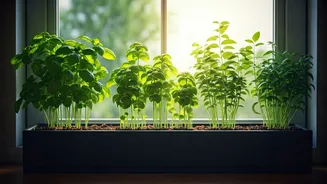
Your herb garden won't demand much, but a little regular care will ensure it thrives. The most common mistake is overwatering, which can lead to root rot. A simple test is to stick your finger about an inch into the soil; if it feels dry, it's time to water. Ensure water runs out of the drainage holes, but don't let the pots sit in a saucer full of water. Rotate your pots every few days so that all sides of the plants get an even amount of light. Harvest your herbs regularly by snipping off the outer leaves. This not only gives you fresh ingredients but also encourages the plants to keep producing more.