

A Forest Reborn
The period from October, when most parks reopen, is magical. The forest, having rested during the monsoon, is at its most lush and beautiful. Dust gives way to a carpet of green, waterholes are brimming, and the air is crisp and clean. This post-monsoon
rejuvenation creates a stunning backdrop for safaris, with the typically dry deciduous forests looking more like evergreen jungles. The pleasant weather, nestled between the end of the rains and the onset of harsh winter, makes for comfortable morning and evening game drives. This scenic beauty and comfortable climate are primary draws for those seeking a complete nature experience.
Bandhavgarh: The Tiger's Domain
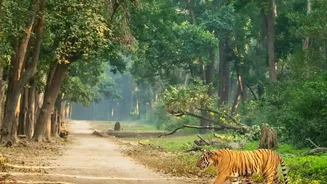
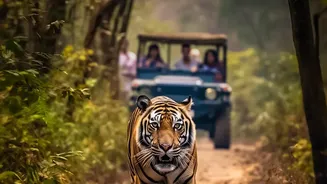
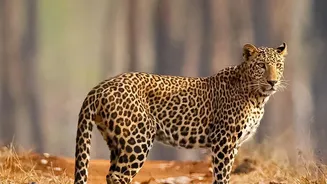
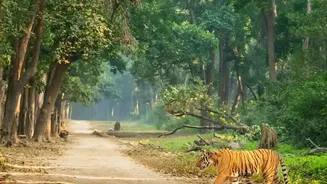
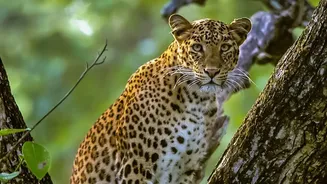
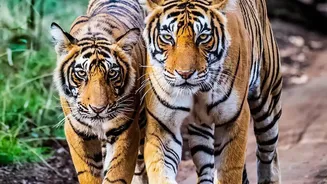
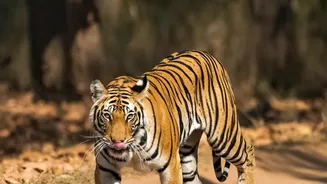
Known for having one of the highest densities of Royal Bengal tigers in India, Bandhavgarh National Park is a magnet for serious enthusiasts. The chances of spotting this majestic predator here are exceptionally high. In the autumn season, the rejuvenated flora provides excellent cover for tigers, making tracking them with experienced naturalists a thrilling challenge. Beyond tigers, the park is home to leopards, sloth bears, and large herds of deer. The presence of the ancient Bandhavgarh Fort within the park adds a historical and dramatic dimension to the safari experience, with ruins interwoven with the wild jungle.
Kanha: Kipling’s Muse
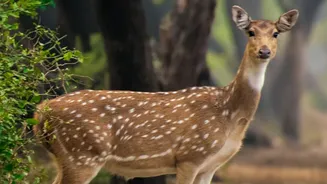
Often cited as the inspiration for Rudyard Kipling's "The Jungle Book," Kanha National Park is renowned for its vast meadows and sprawling sal forests. These open grasslands are crucial for spotting wildlife and are particularly vibrant after the monsoon. Kanha is not just a tiger-centric park; it is famously credited with saving the hard-ground Barasingha (swamp deer) from extinction. Spotting these graceful deer in the misty morning meadows is a signature Kanha experience. The park’s diverse habitats support a wide array of animals, including the Indian wild dog (dhole), sloth bears, and gaurs, offering a well-rounded safari.
Pench: The Verdant Corridor
Straddling the border of Madhya Pradesh and Maharashtra, Pench National Park is another landscape immortalised by Kipling. Its teak forests are lush and dense post-monsoon, and the Pench River, the park's lifeline, flows vigorously. The reopening in October brings a surge in wildlife activity. While tigers and leopards are the prime attractions, Pench is an excellent place to see herds of gaur (Indian bison), nilgai, and wild boar. It is also a critical corridor for tiger movement between parks, making it vital for conservation. The sheer beauty of the forest in autumn makes it a favourite for photographers and nature lovers alike.
Satpura: The Adventurer’s Safari
For those seeking an experience beyond the traditional jeep safari, Satpura National Park is the answer. It is one of the few parks in India that offers a diverse range of activities. Here, enthusiasts can embark on walking safaris, getting an intimate, on-foot perspective of the jungle. Canoe and boat safaris on the Denwa River provide a unique vantage point for spotting crocodiles, numerous bird species, and animals coming to the water's edge. While tiger sightings are less frequent than in Bandhavgarh or Kanha, Satpura is a hotspot for sloth bears and leopards. Its less crowded, multi-activity approach offers a more immersive and serene wilderness experience.
Panna: A Conservation Success Story
Panna National Park represents one of India's most inspiring wildlife conservation triumphs. After losing its entire tiger population around 2009, a dedicated reintroduction program has resulted in a thriving population today. Visiting Panna in the autumn supports this incredible comeback story. The landscape, marked by the scenic Ken River, gorges, and waterfalls, is spectacular after the rains. The park now has a healthy population of tigers, leopards, and is also a critical habitat for vultures and the gharial, a fish-eating crocodile. A safari in Panna is not just about seeing wildlife; it’s about witnessing the resilience of nature.