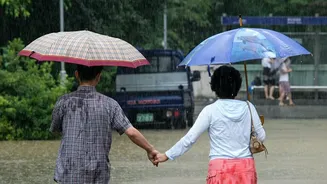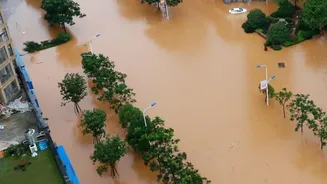



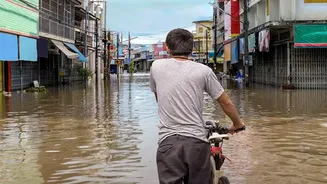
The familiar sight of waterlogged streets and submerged vehicles in our metro cities after a heavy downpour is more than just an inconvenience. It's a symptom of a deeper problem: the disappearance of our urban lakes and wetlands.
Our Cities' Lost Sponges
Indian cities were historically
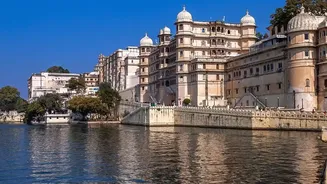
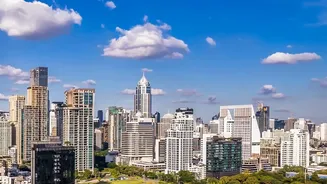
designed around a network of interconnected lakes, or 'keres', that acted as natural sponges. These water bodies would absorb excess rainwater, preventing floods and recharging groundwater. However, rapid and often unplanned urbanisation has led to a disastrous trend. Lakes and their feeder channels have been systematically encroached upon, filled with debris and solid waste, and built over to create residential layouts, commercial complexes, and even government buildings. Studies in Bengaluru, for instance, showed a staggering loss of 79 percent of its water bodies between 1973 and 2016, while built-up area grew from 8 percent to over 73 percent. This transformation replaces permeable soil with impermeable concrete and asphalt, leaving rainwater with nowhere to go but onto the streets.
How Encroachment Breaks the System
A healthy lake is part of a larger watershed system. It receives inflow from upstream areas and releases excess water downstream through a network of canals or 'rajakaluves'. When a lake is encroached upon, its storage capacity is drastically reduced. Feeder channels get blocked by solid waste and construction debris, cutting off the lake from its water source and turning it into a stagnant cesspool. The outlets that are meant to carry surplus water away are similarly choked. During heavy rainfall, this broken network fails completely. Water that should be captured by the lake overflows into surrounding low-lying areas, leading to the devastating urban floods witnessed in cities like Chennai and Bengaluru.
The Blueprint for Revival
Reclaiming these urban lakes is a multi-step process that goes far beyond simple beautification. The first and most critical step is to stop the inflow of pollutants, primarily untreated sewage and industrial effluents. This often involves setting up decentralised wastewater treatment plants to clean the water before it enters the lake. The next phase involves the physical restoration of the lake itself. This includes desilting to remove accumulated sludge and waste, which deepens the lake and increases its water-holding capacity. Simultaneously, the original feeder channels and outlets must be cleared and restored to re-establish the lake's connection with the larger drainage network. Fencing the lake boundary is also crucial to prevent future encroachment.
Success Stories from Indian Cities
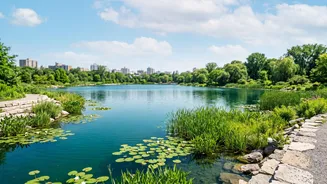
Across India, citizen groups and authorities are demonstrating that revival is possible. In Bengaluru, the rejuvenation of Jakkur Lake, which integrated a wastewater treatment plant and fostered community stewardship, is a leading example. Similarly, the restoration of Dommasandra Lake involved clearing sewage and improving green cover, turning it back into a functional community space. In Coimbatore, Vellalur Lake, which had been dry for over a decade due to blocked channels, was brought back to life through the efforts of a local NGO and community volunteers. The eco_restoration of Chennai's Sembakkam Lake is another key project aimed at utilising nature_based solutions to control floods and improve water availability.
More Than Just Flood Control
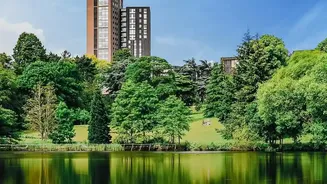
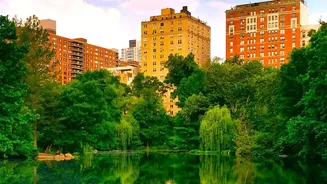
The benefits of a restored lake extend far beyond preventing waterlogging. A healthy lake recharges groundwater, improving water security for surrounding communities in an era of increasing water stress. It acts as a green lung for the city, mitigating the urban heat island effect and improving the local microclimate. These restored ecosystems also become vital habitats for biodiversity. The return of native fish species, butterflies, and migratory birds to reclaimed lakes like Kaikondrahalli in Bengaluru is a powerful indicator of ecological recovery. Furthermore, these revived 'blue-'green' spaces provide residents with much-'needed areas for recreation and community activities, enhancing overall well-'being.