




The Rhythm of Design
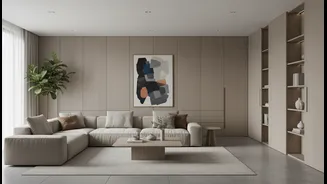
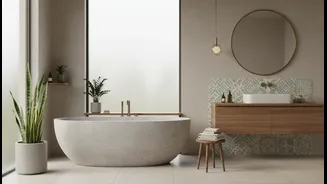
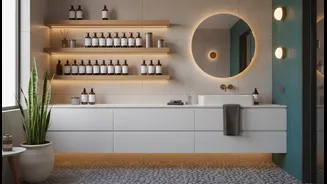
In interior design, repetition is the simple act of repeating elements throughout a space to create a sense of cohesion and visual rhythm. Think of it like the chorus of your favourite song; it’s the part that ties everything together and makes it memorable.
This doesn't mean every item must be identical. Instead, it’s about creating a visual thread that leads your eye smoothly around the room. This can be achieved by echoing a specific colour, shape, texture, or material in different areas. Our brains are naturally wired to look for patterns, and when we find them, a space feels more intentional, grounded, and calm.
Why Repetition Works Wonders in Small Spaces
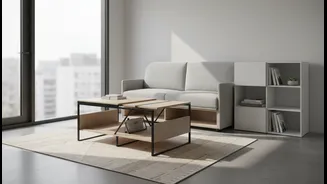
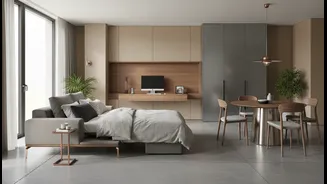
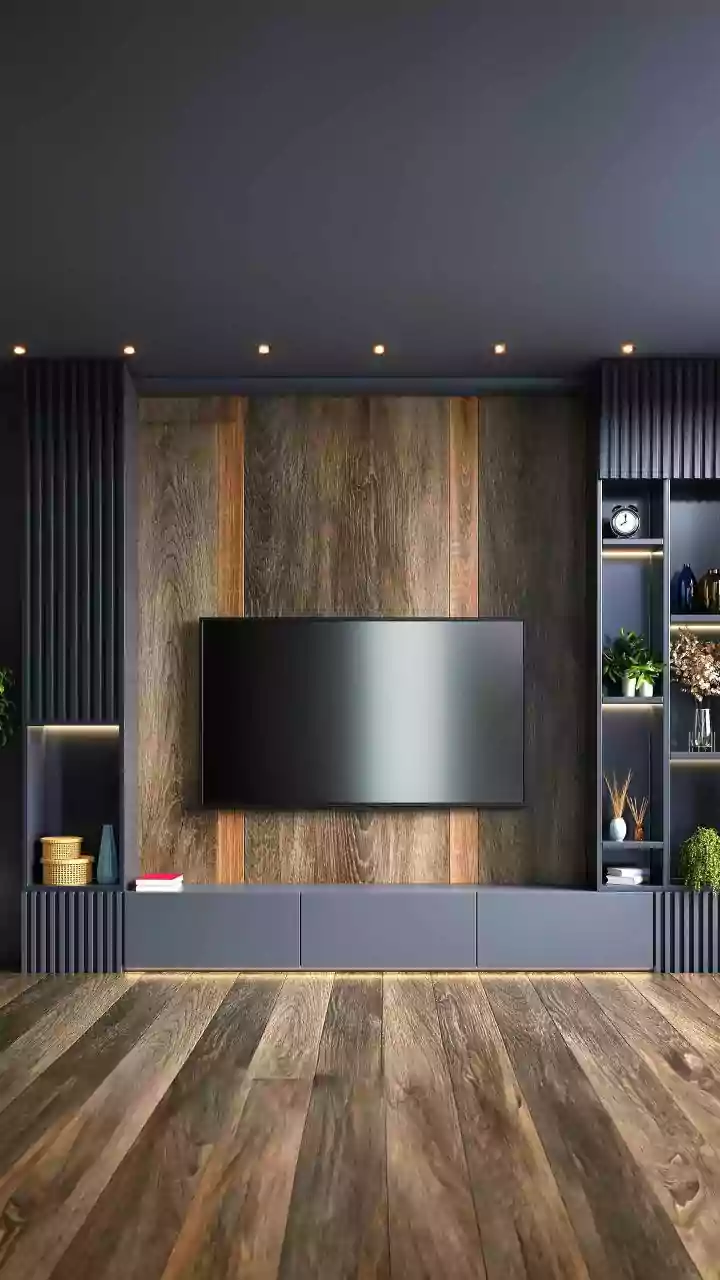
In compact homes, particularly common in Indian cities, visual clutter can quickly make a room feel chaotic and even smaller than it is. Repetition acts as a powerful antidote. By creating a unified look, it reduces visual noise and makes a space feel organised and well-planned. Using a consistent colour or material across different elements can trick the eye into seeing the space as larger and more continuous. For example, repeating a wood finish from your media console to your photo frames creates a connection that feels harmonious, not haphazard. This thoughtful approach transforms a room from a random collection of things into a curated, meaningful sanctuary.
Simple Ways to Weave in Repetition
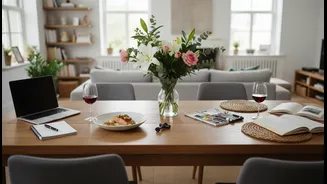
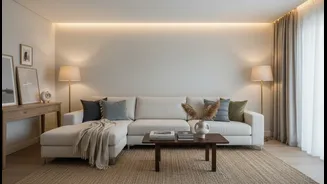
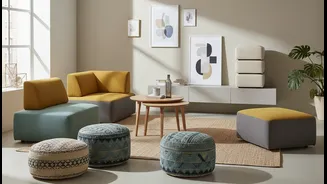
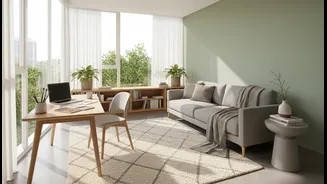
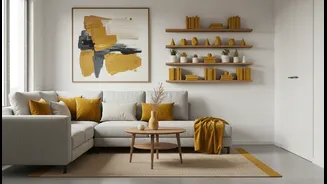
Applying this principle doesn't require a complete design overhaul. Start small and focus on one or two elements. Repeating a colour is one of the easiest and most effective methods. Choose a single accent colour and sprinkle it throughout the room with cushions, a vase, artwork, and a rug. You can also repeat a shape. The curve of an armchair could be echoed in a round mirror or a patterned textile. Texture is another powerful tool. The natural weave of a jute rug can be repeated in wicker storage baskets or lampshades to add depth and warmth. Even repeating materials, like brass accents on cabinet handles, light fixtures, and decor items, can create a sophisticated and cohesive feel.
Avoiding the Monotony Trap
There's a fine line between repetition and monotony. The goal is a harmonious rhythm, not a boring, flat design. To avoid this, introduce variation. If you’re repeating a colour, use different shades and tints of it. If you’re using a pattern, play with its scale. A large-scale pattern on a rug can be complemented by a smaller version of a similar motif on cushions. The rule of three is a helpful guideline; repeating an element three times is often enough to establish a pattern without it becoming overwhelming. The idea is to create a space that feels cohesive yet dynamic, with enough variety to keep the eye engaged.
Making it Meaningful for You
Ultimately, the purpose of good design is to create a home that supports your well-being. The principle of repetition is a tool to help you achieve that. It’s not about following rigid rules but about making conscious choices. As you decide what to repeat, you are defining the story of your home. Are you drawn to the earthy tones of terracotta and wood? Or the clean lines of modern geometry? By repeating the elements you love, you infuse your space with your personality. This act of intentional selection is what elevates a small house or apartment from a mere living space into a truly meaningful home, reflecting who you are.