
The Obvious Allure of Tiny Furniture
When faced with a small room, the most intuitive solution seems to be filling it with small furniture. A love seat instead of a full-sized sofa, a tiny two-seater dining table, a miniature accent chair. The logic is simple: smaller objects should leave
more open space, making the room feel bigger. This approach often leads to a room filled with numerous downsized items, each with a single, dedicated purpose. For many, this feels like a safe and logical way to avoid overwhelming a tight space, ensuring that all the necessary functions of a room are present, just in a more compact form.
The Pitfalls of the Miniature Mindset
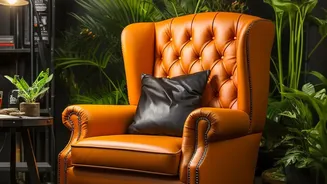
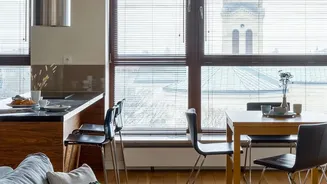
While logical on the surface, the 'tiny furniture' strategy can backfire. A room filled with many small, disconnected pieces can often feel more cluttered and chaotic than one with fewer, larger items. Instead of creating a sense of openness, it can lead to a 'dollhouse' effect, where the space feels busy and visually fragmented. Each small item creates its own footprint and demands its own pocket of space, leading to a choppy floor plan. Furthermore, tiny furniture is often less comfortable and practical for daily life. A chair that’s too small to relax in or a table that can’t comfortably hold a meal and a book ultimately fails at its primary function.
Enter Double-Duty: The Smarter Solution
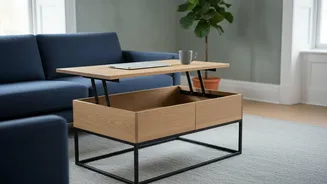
The alternative philosophy champions multi-functional, or 'double-duty,' furniture. This isn't about shrinking your life to fit the space, but making your space more adaptable to your life. A double-duty piece serves two or more purposes, which is invaluable when every square foot matters. Think of a sofa that seamlessly transforms into a guest bed, a coffee table that lifts and expands to become a dining or work surface, or an ottoman that provides seating, a footrest, and hidden storage for blankets and magazines. These pieces are designed to be clever and adaptable, allowing a single room to serve multiple functions without needing more furniture.
Maximising Function over Just Fitting In
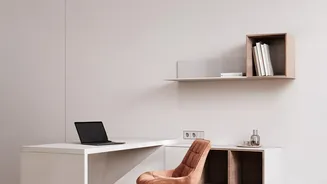
The real power of double-duty design is that it prioritises functionality. Your living room doesn't just have to be a living room; with the right furniture, it can also be a guest room, a home office, or a dining area. This approach transforms a static floor plan into a dynamic environment that changes with your needs. Instead of cluttering a small 1BHK with a separate desk, bed, and sofa, a single high-quality sofa-cum-bed and a wall-mounted foldable desk can deliver the same utility while freeing up significant floor space. This ensures the room remains organised and feels more spacious because it contains fewer overall items.
Why Fewer, Bigger Pieces Can Feel More Expansive
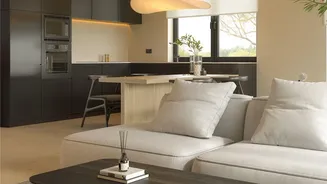
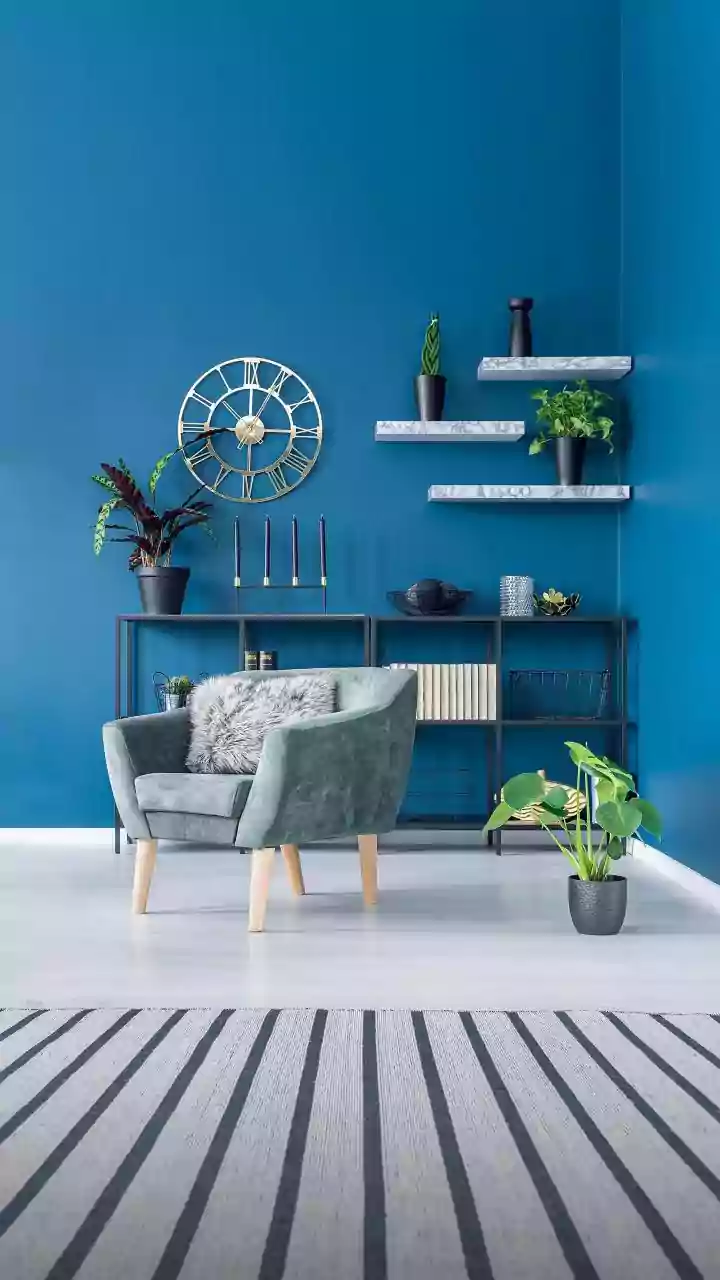
Interior design psychology reveals a counterintuitive truth: a few well-chosen, normal-sized pieces of furniture can make a room feel larger than many tiny ones. Larger pieces anchor the room and create clear, uncluttered sightlines. When a sofa has clean lines and is raised on legs, it allows you to see the floor underneath, which creates an illusion of more space. Multi-functional furniture supports this principle by reducing the total number of items in a room. With less clutter, the space feels calmer, more intentional, and ultimately, more expansive. The goal is to create a harmonious environment, not just to fit as many things as possible into a small box.