






The Viral 'Trick' Explained
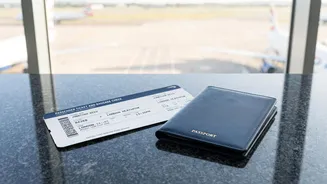
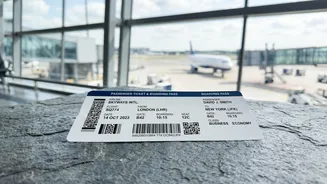
The money-saving method gaining attention is called 'skiplagging' or 'hidden-city ticketing'. It involves booking a flight with a layover, but your actual destination is the layover city. For example, a flight from Mumbai to Kolkata might cost ₹8,000.
But a flight from Mumbai to Guwahati with a layover in Kolkata might only cost ₹5,000. A skiplagger would book the cheaper flight to Guwahati with the intention of getting off the plane in Kolkata and simply not boarding the final leg of the journey. The reason this pricing gap exists is that airlines don't price tickets based on distance. They use complex algorithms based on market demand and competition for a specific route. A flight to a major hub might be expensive, but a less popular route that passes through that hub could be priced lower to compete with other carriers.
Does It Actually Work? Yes, but…
In theory, and often in practice, the trick works. Passengers do it every day, and websites have even popped up to help travelers find these hidden-city fares. However, it comes with a strict set of rules and potential consequences. Firstly, this only works for one-way tickets. If you skip a leg on a round-trip booking, airlines will automatically cancel the rest of your itinerary, including your flight home. Secondly, you absolutely cannot check any baggage. Your checked luggage will always be sent to the final destination on your ticket, so if you get off in Kolkata, your bags will continue on to Guwahati without you. Even relying on carry-on luggage is risky; if the airline forces you to gate-check your bag due to lack of overhead space, it will also be sent to the final ticketed destination.
The Major Risks Airlines Won't Ignore
While skiplagging isn't technically illegal, it is a direct violation of the contract of carriage you agree to when you buy a ticket from almost every major airline. Airlines are cracking down aggressively on the practice. If you're caught, the consequences can be severe. The airline can cancel your remaining flights without a refund, charge you the fare difference for the flight you should have booked, revoke your frequent flyer miles, and in some cases, ban you from flying with them in the future. There have even been instances of airlines pursuing legal action against passengers who regularly use this tactic. Another risk is irregular operations. If your flight is delayed or canceled, the airline's only obligation is to get you to your ticketed final destination, not your intended layover city. You could be rerouted through a completely different city, foiling your plans entirely.
Why Are Ticket Prices So Opaque?
The existence of skiplagging highlights the frustrating complexity of airfare. The core reason is dynamic pricing, a system airlines have used since the 1980s. Instead of a fixed price, fares are constantly adjusted by algorithms based on dozens of factors: demand, competitor pricing, time until departure, day of the week, and how full the flight is. A single flight might have over a dozen different price tiers for the same economy cabin. This system is designed to maximize revenue for every single seat. While it helps airlines manage inventory, it creates the confusing price anomalies that make a longer, connecting flight cheaper than a direct one.
Smarter, Safer Ways to Find Deals
Given the risks, skiplagging is a gamble that most travelers shouldn't take. Fortunately, there are safer ways to find affordable flights. The most effective strategies involve flexibility. Flying on a Tuesday or Wednesday is often cheaper than on a Friday or Sunday. Using flight search tools like Google Flights or Skyscanner to compare dates and nearby airports can reveal significant savings. Setting up price alerts for your desired route will notify you when fares drop, allowing you to book at the right moment without obsessive searching. Finally, booking within the 'Goldilocks Window'—typically 1 to 3 months for domestic flights and 2 to 8 for international—is when fares are often at their lowest.