







What Exactly Is Methi?
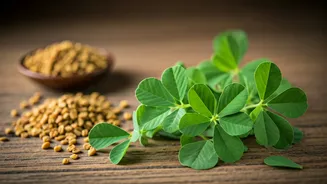
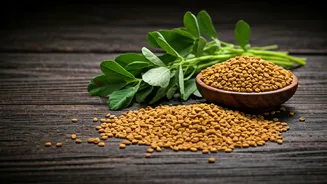
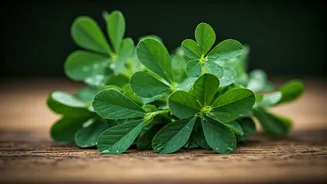
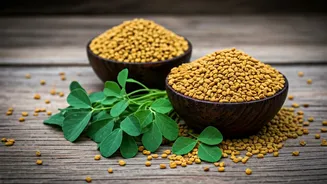
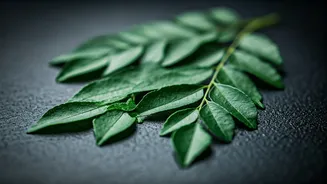
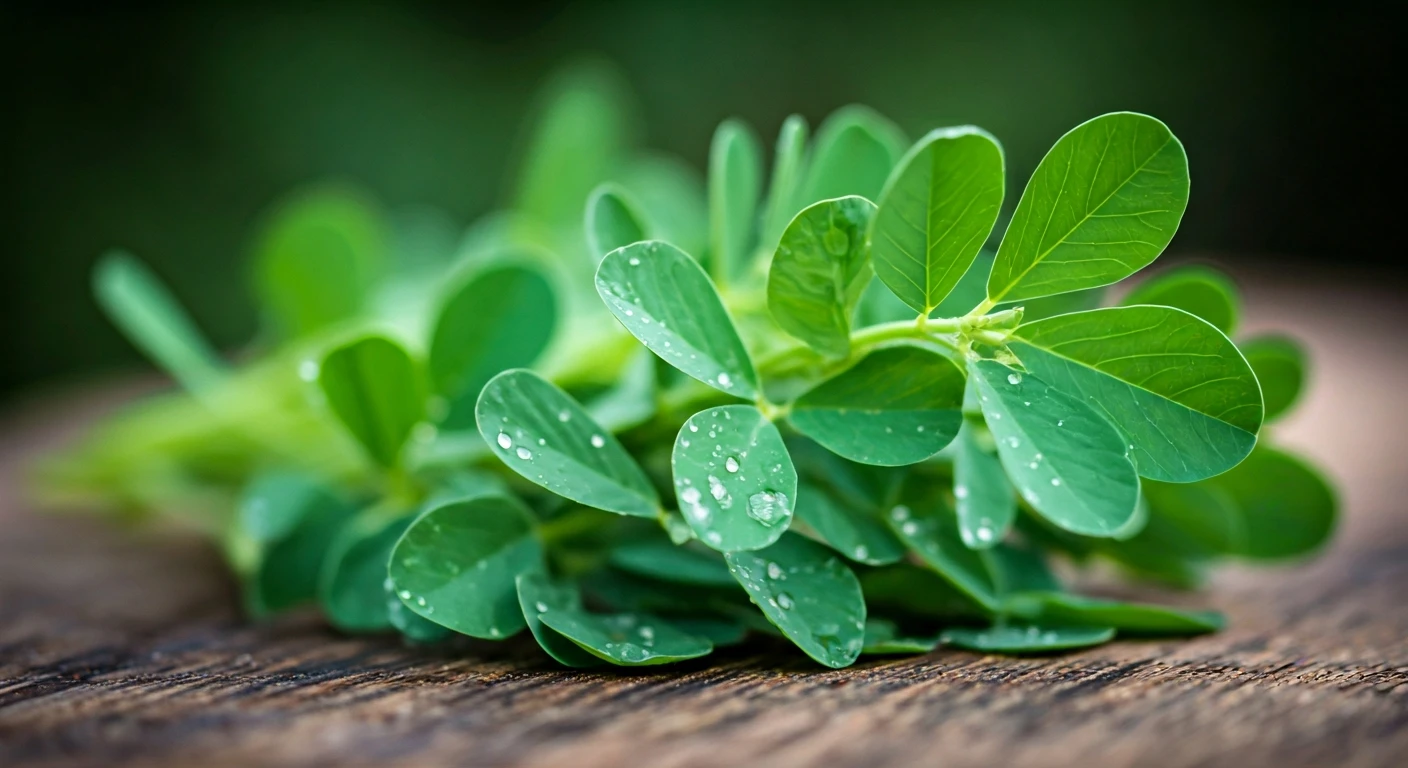
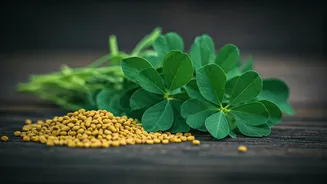
Methi is the Hindi name for fenugreek, a versatile plant used extensively in Indian cuisine and beyond. It comes in three main forms, each with a distinct character. Fresh methi leaves are used as a green vegetable, much like spinach, in dishes like Aloo
Methi (potatoes with fenugreek). Then there's Kasuri Methi, the sun-dried leaves, which are crumbled into dishes as a finishing herb to impart a concentrated, aromatic flavour. Finally, you have the small, hard, amber-coloured seeds, which are used as a spice, often tempered in hot oil to release their nutty aroma.
The 'Grown-Up' Flavour Profile
The term 'grown-up' flavour often refers to a certain bitterness and complexity that challenges the palate in a pleasant way, much like dark chocolate, strong coffee, or arugula. Methi fits this description perfectly. Raw, it possesses a pronounced bitterness. However, when cooked, this bitterness mellows into a deep, savoury, and slightly sweet undertone that some describe as being similar to maple or burnt sugar. This complex profile adds a layer of sophistication that you simply can't get from more straightforward herbs or spices. It's this unique, lingering taste that makes a simple dal or vegetable curry feel more complete and thoughtfully prepared.
How to Approach Methi’s Bitterness
The assertive bitterness of fresh methi leaves can be intimidating, but it's easily managed. A common technique is to sprinkle salt on the chopped leaves and let them sit for about 30 minutes. This process draws out some of the bitter juices, which you can then squeeze out before cooking. Another method involves a quick blanch in hot water, sometimes with a splash of lemon juice. Pairing is also key. The bitterness is beautifully balanced by creamy or starchy ingredients like potatoes, paneer, cream, and yogurt. In fact, adding curd or yogurt is a well-known trick to mask the bitterness while adding flavour.
Easy Ways to Start Cooking with Methi
You don’t need to tackle a complex recipe to start enjoying methi. The easiest entry point is with Kasuri Methi (dried leaves). Simply crush a small amount between your palms and sprinkle it over dal, curries, or yogurt raita just before serving. This adds an instant aromatic lift. For fresh leaves, try incorporating them into dough for parathas or theplas, a classic application where their flavour shines. Another simple and beloved dish is Aloo Methi, a dry stir-fry of potatoes and fenugreek leaves seasoned with basic spices. You can also add a handful of chopped fresh leaves to lentil dishes like dal to let them wilt and infuse the soup with their flavour.
Beyond the Basics
Once you're comfortable with methi, you'll see its potential everywhere. The seeds are a fundamental component of many spice blends, including the Bengali five-spice mix known as panch phoron. Fresh leaves can be added to rice dishes like Methi Pulao for a fragrant one-pot meal. You can even think outside traditional Indian cuisine by adding Kasuri Methi to marinades for grilled vegetables, mixing it into creamy dips, or creating a unique compound butter to melt over steak or pasta. Its versatility is part of its charm.